Introduction: Why More Homeowners Are Going Tankless
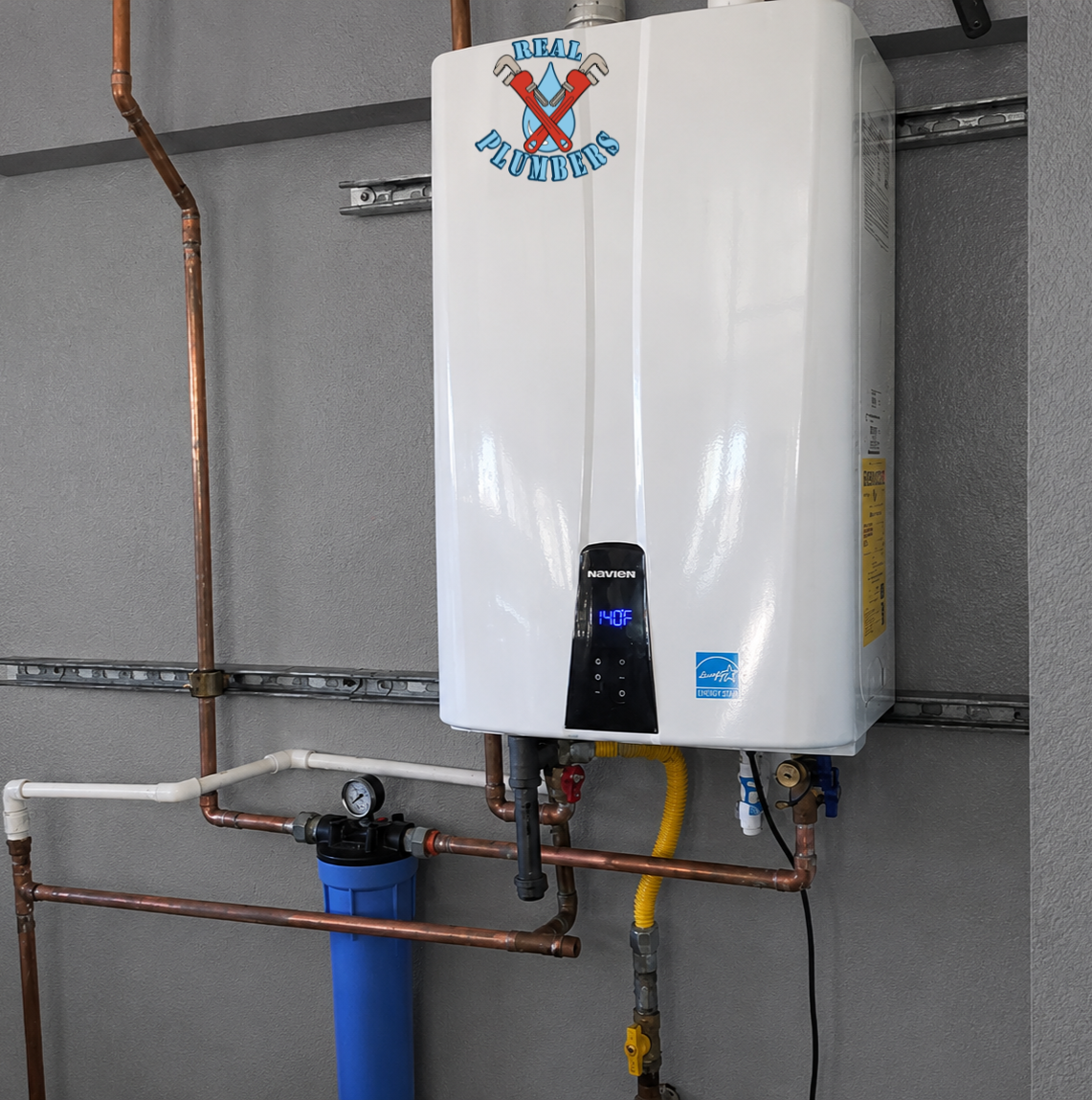
Tankless water heaters have become a popular choice for many homeowners, and it's easy to see why. They provide hot water whenever you need it, don't take up much space, and can even help you save on energy bills. If you're thinking about getting a new water heater or replacing an old one, consider going tankless for improved performance without losing precious space.
Today, a lot of folks are also thinking about long-term costs and how to be more eco-friendly at home. According to the U.S. Department of Energy, heating water is one of the biggest energy expenses in a typical home, so making it more efficient can really pay off. To dive deeper into this topic, check out our Expert Guide to Modern Water Heaters and see our tankless water heater installation service page for more options.
In this article, you'll learn what sets tankless systems apart, how they save energy, what to expect during installation, and when they might be the right choice for your home. Plus, we'll explore why the demand for these systems is skyrocketing. Industry research shows that the global market for tankless water heaters was valued at $4.3 billion in 2025 and is expected to grow to $9.4 billion by 2033, highlighting their growing popularity.
How Tankless Water Heaters Work
On-demand heating instead of stored hot water
Traditional water heaters keep a tank of water hot all the time, which means energy gets wasted as heat escapes. A tankless water heater works differently by heating water only when you need it. This "on-demand" method makes it a more energy-efficient choice for many homes.
With this design, you won't run out of hot water as you might with a tank system. A properly sized tankless unit can supply endless hot water for showers, laundry, and dishwashing. But it's important to get the right size for your household needs, especially if you often use several fixtures at once.
Gas and electric options
Tankless systems come in both gas and electric models. Gas units typically provide more power for larger homes, while electric ones can be great for smaller homes or specific areas. Your choice will depend on your current setup, how much hot water you use, and other factors. A professional plumber can help you decide whether a gas or electric model is best for your home.
If your current system isn't performing well, it might be time to weigh the costs of repairs versus a new tankless upgrade. Our water heater repair and water heater replacement services can help you figure out the best financial move.
The Biggest Benefits of Tankless Water Heaters
Energy efficiency that lowers waste
One of the main reasons to switch is for better energy savings. Tankless water heaters are known to be 24% to 34% more efficient than traditional tank units for homes using less than 41 gallons of hot water daily. This means using less energy, wasting less heat, and possibly lower utility bills. The U.S. Department of Energy says homes with lower hot water needs benefit the most from the switch.
If you're all about sustainability, this upgrade can help you reach your energy goals, especially when combined with other smart plumbing choices. For more ways to boost your home's performance, check out our guide on running out of hot water to understand why some systems falter and how to prevent it.
Space-saving design for modern layouts
Another big plus is their size. Tankless units are compact and can be wall-mounted, freeing up floor space in closets, garages, and utility rooms. This is especially useful in smaller homes, condos, and remodeled spaces where every inch counts.
This space-saving design makes tankless systems popular in urban areas and design-conscious homes. They fit well with modern construction trends, reducing clutter and offering more flexible layouts. If you're planning a bigger plumbing upgrade, you might want to consider water pressure regulator repair to ensure your new system runs smoothly.
Longer service life with proper maintenance
With the right care, tankless water heaters can last up to 20 years, outlasting the typical 10 to 15 years of tank systems. This longevity can make your investment more valuable over time, especially if you maintain the system properly. Regular descaling and flushing help prevent mineral buildup, a common issue in hard-water areas.
Skipping maintenance isn't a good idea. Mineral deposits can reduce efficiency and damage internal parts, shortening the system's life if ignored. If you prefer a regular maintenance schedule, inspections and timely service are the way to go. If your current system is showing its age, our tankless water heater replacement service can bring back reliable performance.
Who Benefits Most from a Tankless Upgrade
Households with moderate or lower hot water demand
Tankless water heaters are especially appealing for homes that use hot water efficiently rather than all at once. Smaller families, couples, and those with predictable usage often see the best energy savings because the system isn't overworked by simultaneous high-demand activity.
Larger households can also benefit, but proper sizing becomes more critical. A professional assessment can help determine whether you need a single unit, multiple units, or a different setup altogether. Some homeowners pair tankless systems with fixture upgrades or pressure adjustments for optimal results. If low or uneven flow is an issue, our shower valve repair and faucet repair services can also improve comfort.
Homes with limited storage space
Urban homes, remodeled properties, and small utility areas benefit from the compact footprint of tankless equipment. Removing a large tank can make spaces cleaner, more organized, and easier to maintain. That's why many homeowners in dense areas choose tankless systems during renovations.
For those planning broader plumbing improvements, tankless installation can be part of a larger upgrade. A system review might include checking fixture performance, water pressure, leak risks, and drain condition. If drainage issues affect daily comfort, consider services like clogged drains or kitchen sink clog repair to improve overall system performance.
Installation Costs, Savings, and Return on Investment
Why the upfront price is higher
One common concern is the higher installation cost. Tankless units usually cost more upfront than tank-style heaters, and some homes might need plumbing, venting, electrical, or gas-line updates to support them. While this might seem pricey initially, it's important to consider the long-term savings and benefits.
Many homeowners find the cost justifiable with the long-term savings and better performance. Lower energy consumption, fewer replacements, and less wasted heat can all add up over time. A family of four using less than 41 gallons of hot water daily might save around $100 per year by switching, according to U.S. Department of Energy-related data. While exact savings vary, the trend shows that efficiency can pay off.
How to calculate real-world value
When figuring out if it's worth it, think about your current energy bills, the age of your water heater, and how long you plan to stay in your home. A homeowner replacing a failing tank unit might find value faster than someone with a system that still has years left. Also, think about the value of saving space, reducing maintenance worries, and enjoying endless hot water.
Often, the best approach is to compare all your replacement options. That's why we often help homeowners decide whether a standard repair, full replacement, or tankless conversion is the best long-term choice. For insights into plumbing problems that affect overall performance, check out our plumbing makeover warning signs guide.
Rebates and incentive opportunities
Incentives can make a tankless upgrade more affordable. Utility rebates, manufacturer offers, and local efficiency programs might lower the project cost. Check current programs before scheduling installation, as incentives change often and may depend on equipment type, efficiency rating, and where you live.
For federal guidance on energy efficiency and home energy use, the U.S. Department of Energy has useful information on water heating systems, operating costs, and upgrade considerations. Such resources are valuable when assessing long-term value beyond just the purchase price.
Maintenance Tips That Protect Performance
Descaling and flushing
Mineral buildup is a common reason for tankless systems to underperform. Hard water can leave deposits inside the heat exchanger, reducing efficiency and straining the system. Regular descaling helps remove these deposits and keeps water flowing as it should. In areas with hard water, maintenance might be needed more often.
Skipping maintenance can lead to issues like longer wait times for hot water, inconsistent temperatures, or strange noises. These signs shouldn't be ignored. A small service visit is usually easier and cheaper than dealing with damage from long-term buildup. When maintenance issues overlap with plumbing problems, having a trusted provider handle everything, including water leak repair, can boost efficiency.
Annual inspections and safety checks
Beyond descaling, annual inspections verify that venting, gas supply, electrical connections, and flow sensors are working properly. This is especially important for gas-fired models, where safe combustion and venting are crucial. A trained plumber can catch small issues before they become bigger problems.
The National Fire Protection Association offers information on carbon monoxide safety, relevant for any home using fuel-burning appliances. Proper installation and regular checks help ensure safety and comfort, emphasizing the importance of professional service.
When replacement is the smarter move
Even a tankless system eventually wears out. If your unit is old, frequently losing temperature, or needs constant repairs, replacement might be the better option. The goal is not to keep fixing a system that no longer provides value but to choose the path that restores reliable hot water with minimal hassle.
When facing this decision, compare the unit's condition with the cost of ongoing service calls. Our tankless water heater replacement service is for situations where the existing system can't perform consistently. If unsure whether to repair or replace, a professional evaluation can save time and prevent unnecessary spending.
Tankless Water Heaters and Modern Plumbing Systems
How they fit into a whole-home strategy
A tankless water heater works best when part of a balanced plumbing system. Stable pressure, healthy supply lines, functional fixtures, and clean drains all contribute to performance. If any part of the system fails, it can seem like the water heater's fault when the issue lies elsewhere. A complete assessment helps avoid this mistake and ensures the upgrade works as intended.
This is why tankless installations often pair well with other plumbing improvements. If your home has pressure swings, leaks, or valve issues, solving those problems first can improve both comfort and equipment life. We often see tankless upgrades become more effective after related repairs, such as water pressure replacement or a shower clog service.
Why professional installation matters
Tankless systems are precise. They need proper sizing, accurate venting, and careful connections, plus an understanding of household demand. A poor installation can limit efficiency, cause temperature swings, and shorten the unit's life. That's why it's not just a simple swap.
Professional installation also ensures the system complies with local codes and matches the home's usage patterns. In areas like Los Angeles, where energy efficiency and space optimization are highly valued, these details matter. For localized planning, our tankless water heater installation team can help choose a system that fits your property and daily habits.
Common Concerns and Straight Answers
Will I always get endless hot water?
Tankless heaters often promise endless hot water, and that's generally true if the unit is sized correctly and works well. But "endless" doesn't mean unlimited output for every scenario. If multiple showers, laundry, and appliances demand hot water at once, the system can still reach its capacity. That's why flow rate matters.
The key is matching the heater to the household. A good plumber will consider fixture count, simultaneous usage, fuel type, and temperature rise before recommending a model. This prevents disappointment and ensures the system is convenient in daily use. If you're noticing temperature swings in a shower, a shower valve repair might also help.
Do tankless heaters work well in all homes?
Most homes can benefit from tankless technology, but not every property is an automatic fit without modifications. Older plumbing systems or undersized gas or electrical service might need updates before installing. This isn't a drawback but a reminder that the project should be planned carefully.
For some households, the best results come from combining a tankless unit with plumbing repairs that improve the rest of the system. In homes with aging lines or recurring leaks, for example, a comprehensive service visit might include water heater repair as well as inspection of nearby piping and fixtures. A thoughtful approach creates better long-term performance than a quick install.
What about environmental benefits?
Because tankless systems reduce standby heat loss, they help lower a home's energy footprint. That makes them appealing to homeowners who want sustainability and lower bills. The environmental benefit is especially meaningful when the unit is sized and maintained properly to operate at peak efficiency.
The broader market trend supports this shift. Demand for efficient appliances continues to rise as homeowners prioritize energy-smart upgrades and more flexible living spaces. Industry reporting from Grand View Research shows strong market growth through 2033, indicating that tankless technology is here to stay as a part of modern home improvement.
Why Tankless Water Heaters Make Sense in Los Angeles Homes
Efficiency, space, and local priorities
Homeowners in Los Angeles often juggle comfort, efficiency, and space limitations. Tankless systems fit well with these priorities because they cut energy waste and free up valuable space. In remodels, accessory dwelling units, and compact mechanical closets, this can be a major advantage.
The local climate and household expectations also matter. People want reliable hot water without bulky equipment taking over the garage or laundry area. That makes tankless a strong fit for many properties across the region. If you're planning a plumbing update in the area, Real Plumbers can help with a full-service approach that focuses on comfort and efficiency.
Support for plumbing professionals and property owners
For plumbers, tankless systems are a great service opportunity as more homeowners ask for energy-saving options. For property owners, they offer a way to improve comfort, cut waste, and modernize the home. The best results come when installers know both the equipment and the rest of the plumbing system around it.
That's why having a trusted local team matters. Real Plumbers works with homeowners and businesses looking for clear answers, honest advice, and quality workmanship. Whether the job involves planning, installation, or repairs, the goal is always the same: deliver reliable hot water and long-term value.
Conclusion: A Smart Upgrade That Delivers Real Value
Tankless water heaters are a smart choice for modern homes because they combine energy savings, convenience, and space-saving design in one package. They can reduce energy waste, offer continuous hot water, last longer than many tank units, and fit neatly into today's design-conscious homes. For the right household, the benefits are clear and easy to enjoy every day.
If you're considering replacing an old heater or planning a plumbing upgrade, the best step is a professional evaluation. Real Plumbers can help decide whether repair, replacement, or a full tankless installation is the best path for your home. To get started, check out our tankless water heater installation service or contact our team for expert guidance. When you want reliable hot water and a system built for modern living, tankless is a strong investment in comfort and efficiency.