Why Your Water Heater Isn’t Producing Enough Hot Water
Few things are more annoying than stepping into a shower that goes lukewarm halfway through or running out of hot water just when you need it for the dishes. If your water heater isn’t giving you enough hot water, the problem could be anything from a simple thermostat setting issue to sediment buildup, worn-out parts, or even a system that's too small for your home. The good news? Most of these problems are easy to identify, prevent, and fix with the right approach.
This guide will walk you through the most common reasons for not having enough hot water, how to troubleshoot them, and when you might need to call in a professional. If your system has been unreliable for a while, you might want to look into water heater repair, or if it keeps breaking down, consider a full water heater replacement. We'll also touch on industry trends like tankless technology, maintenance tips, and real-world signs that your unit is struggling.
For broader safety guidance, check out the U.S. Department of Energy’s advice on water heating, as it's one of the largest energy uses in a home. You can find more on energy efficiency at Energy Saver, and the EPA offers guidance on how household water use affects system performance at their WaterSense pages.
Common Reasons Your Water Heater Runs Out of Hot Water
Thermostat Settings Too Low
A quick and easy thing to check is the thermostat. If the temperature is set too low, the heater might still be working, but the water won’t be hot enough for daily tasks. Many experts recommend setting it around 120°F (49°C) for comfort, safety, and energy savings.
Sometimes, the thermostat gets accidentally adjusted after maintenance or power interruptions. Before you assume the system is failing, check the settings on both thermostats if you have an electric tank-style unit. If the water feels inconsistent, it might be a faulty thermostat or heating element.
Sediment Buildup Inside the Tank
Sediment buildup is a common reason for reduced hot water capacity in tank-style heaters. Minerals from the water settle at the bottom of the tank over time, creating a layer that insulates the heating element from the water and reduces efficiency. This means the unit might take longer to recover after use, and you run out of hot water sooner than you should.
Regular maintenance can make a big difference. Many experts recommend annual flushing to help remove sediment and reduce strain on the system. If you want to learn more about maintenance and performance issues, check out our water heater troubleshooting guide or our article on plumbing makeover warning signs.
Faulty Heating Elements or Burner Problems
Electric heaters depend on heating elements, while gas water heaters rely on a burner assembly and related components. If one of these parts fails, the tank might not reach the expected temperature, or it may heat water only partially. Sometimes, the top of the tank gets hot while the rest remains lukewarm, causing inconsistent output throughout the home.
These failures can be subtle. You might think the tank is just undersized when the real issue is a damaged lower heating element or a burner that isn't firing correctly. Because these parts involve electrical or gas systems, it's usually best to have a licensed plumber check them out, especially if you hear strange noises or notice a sudden performance drop.
How Tank Size and Household Demand Affect Hot Water Supply
An Undersized Unit for the Home
Sometimes, the water heater is working properly but just can’t keep up with demand. Families with multiple bathrooms, long showers, laundry loads, and dishwashing cycles might quickly outpace a tank that was sized for an older or smaller household. If your hot water always disappears during busy morning routines, the problem may be capacity, not repair.
This is common after lifestyle changes like adding roommates, finishing a bathroom remodel, or installing high-flow fixtures. If the system was installed years ago and your household has grown, a capacity review is a smart next step. In these situations, a modern tankless water heater installation might be worth exploring, especially if you want more consistent hot water on demand.
High Simultaneous Flow Rates
Tankless water heaters are popular because they heat water on demand and eliminate standby heat loss, but they can struggle when several fixtures are running at once. This is why homeowners sometimes experience insufficient hot water even after upgrading to a more advanced system. A shower, dishwasher, and washing machine running simultaneously can exceed the unit’s capacity, causing temperature drops.
This doesn’t mean tankless systems are a bad choice. It means the system must be sized correctly and matched to the home’s real usage patterns. If your existing tankless unit has become unreliable, a tankless water heater replacement can restore steady performance and give you a model that better matches peak demand.
Maintenance Issues That Reduce Hot Water Output
Flushing the Tank Annually
Annual flushing is one of the simplest and most effective maintenance steps for tank heaters. By draining sediment from the bottom of the tank, you help restore heating efficiency, improve recovery time, and reduce wear on the system. When this task is skipped for years, sediment can become compacted and more difficult to remove, increasing the likelihood of premature failure.
Homeowners often ignore maintenance until they notice a problem, but by then, the damage may already be affecting performance. Sediment can also cause odd rumbling or popping noises as water gets trapped beneath the buildup and boils unevenly. If your water heater has become noisy or slow, maintenance may be overdue.
Inspecting the Anode Rod and Related Components
The anode rod helps protect the tank from corrosion by attracting minerals that would otherwise attack the metal lining. When it's heavily worn, corrosion can accelerate, reducing the life of the heater and increasing the chance of leaks or inconsistent heating. While it may not directly cause low hot water volume on its own, a worn anode rod often signals broader wear inside the system.
Regular inspections can catch these issues early, before they lead to a full replacement. This is why plumbers emphasize annual service: it’s not just about fixing visible problems, but about preventing hidden deterioration. If you’re already dealing with repeated hot water loss, a professional evaluation can help determine whether internal parts are still worth repairing.
Thermostat Calibration and Safety Checks
Even when a thermostat is set correctly, it might not read accurately. A miscalibrated thermostat can create temperature swings that feel like the heater is running out of hot water too quickly. In other cases, safety controls may be limiting performance because another component is struggling or overheating.
Checking thermostat calibration is especially important when water is uncomfortably hot one day and barely warm the next. Those fluctuations may seem minor at first, but they often reveal a developing issue. A professional plumber can test settings, confirm proper operation, and ensure the heater is delivering stable output without creating safety risks.
How Water Quality and Local Conditions Can Make the Problem Worse
Mineral-Heavy Water and Sediment Accumulation
Local water quality has a major effect on water heater performance. In areas with mineral-heavy water, sediment tends to build up faster, which reduces heating efficiency and shortens equipment lifespan. Over time, this can make even a relatively new unit feel underpowered if it’s not maintained consistently.
This is particularly relevant for homeowners in Southern California, where mineral content can vary from one neighborhood to another. The result is not just less hot water, but sometimes higher utility bills because the system must work harder to heat the same amount of water. Routine service becomes even more important in these conditions because the buildup problem can develop faster than many homeowners expect.
Pressure Issues That Affect Fixture Performance
Low water pressure or a faulty pressure regulator can make hot water feel weak, even if the heater itself is functioning adequately. When pressure is too low, fixtures may deliver less hot water at the tap, while a pressure problem elsewhere in the system may create flow variations that feel like heater failure. That’s why diagnostics should include both the heater and the plumbing connected to it.
If pressure changes are part of the symptom, it may be worth checking related services such as water pressure regulator repair or water pressure replacement. Sometimes the hot water problem is actually a plumbing balance issue, not a heating issue, and correcting it can improve comfort right away.
Real-World Examples of Hot Water Problems
A Broken Dip Tube Causing Lukewarm Water
One common case involves a broken dip tube inside the tank. The dip tube directs incoming cold water to the bottom of the heater so it can be warmed properly. When the tube breaks, cold water can mix near the top of the tank, causing lukewarm water to appear much sooner than expected.
You might think the tank is failing when the real issue is a single internal part. Replacing the dip tube can restore normal function and eliminate the misleading symptom of “not enough hot water.” This example shows why proper diagnosis matters before replacing the entire system.
Multiple Showers Overwhelming a Healthy System
In another instance, a family with a standard tank water heater noticed that hot water disappeared every morning. After inspection, the heater was found to be working correctly, but the home’s simultaneous demand was too high. Two showers, a dishwasher cycle, and a washing machine load were using more hot water than the tank could recover between uses.
The solution in that case was not a repair but a usage strategy and, eventually, a system upgrade. Sometimes the answer is as simple as staggering showers. In other homes, the right solution is a more efficient system with greater capacity or a tankless model designed for the household’s flow demands.
Step-by-Step Troubleshooting for Homeowners
Start with the Easy Checks
Begin by confirming thermostat settings, checking whether one side of an electric heater has lost power, and looking for obvious signs of leaks, corrosion, or noise. If only one faucet is affected, the issue may be with that fixture or its valve rather than the water heater itself. For shower-specific temperature swings, a shower valve repair may be the right fix.
It’s also helpful to note when the issue happens. Does the hot water run out after a few minutes, or is it never truly hot at all? Does the problem affect the entire home, or only one bathroom? These details make it easier for a plumber to narrow the cause quickly.
Check for System-Wide Clues
If the entire home is affected, the heater itself is more likely to be the source of the trouble. If the kitchen sink is slow to get hot while the bathroom is fine, the issue may be isolated to a specific branch line or fixture. In cases where nearby plumbing problems are also present, you may want to review related issues such as clogged drains or fixture-specific concerns that create the impression of weak hot water delivery.
For homeowners who also notice leaks, rust-colored water, or unusual sounds, there may be a larger plumbing issue developing. A professional inspection can determine whether the heater needs repair, whether piping is restricting flow, or whether a complete replacement would be more cost-effective in the long run.
Know When to Stop DIY Troubleshooting
Some water heater problems are safe to observe but not to fix without proper training. Gas connections, electrical components, pressurized tanks, and high-temperature water all introduce safety concerns. If you smell gas, suspect a leak, or hear alarming noises from the unit, stop troubleshooting and call a professional immediately.
For related safety concerns in the home, a service such as water leak repair may also be necessary if the heater has already started to fail. If a gas odor is present, that becomes an urgent safety matter requiring immediate attention, not a routine maintenance issue.
When Repair Makes Sense and When Replacement Is the Better Choice
Signs Repair Is the Right Move
Repair is often the best option when the heater is relatively new, the problem is isolated to one part, or maintenance has been neglected, but the tank is otherwise in good shape. Common repairable issues include thermostat failure, a bad heating element, a broken dip tube, or a burner problem that can be corrected without replacing the whole system.
In these cases, professional service can quickly restore performance and extend the life of the equipment. The key is catching the issue before repeated breakdowns lead to more expensive damage. If you haven’t had the unit serviced in years, repair plus maintenance may provide the best value.
Signs Replacement Is Smarter
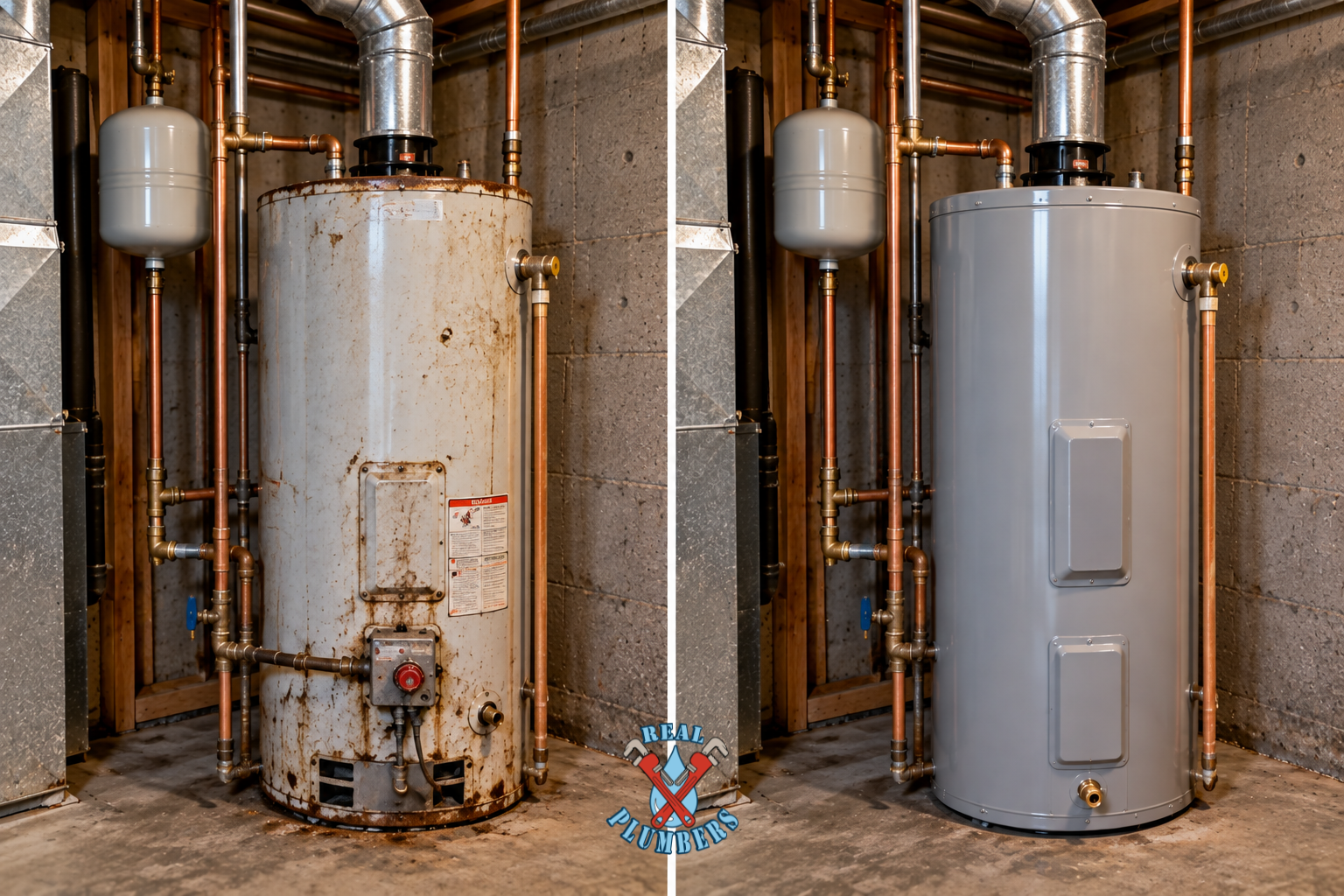
Replacement becomes more attractive when the tank is aging, rusting, leaking, or repeatedly failing to keep up with demand. A system that needs constant repairs is often draining money better spent on a new, efficient heater. If the unit is undersized for your household or has become unreliable despite maintenance, a replacement may solve both the performance and efficiency problems at once.
This is also a good time to evaluate modern options. New water heaters often offer better energy efficiency, improved recovery times, and features that make daily use more reliable. In homes where hot water consistency is a priority, upgrading can provide a noticeable improvement in comfort and utility costs.
How to Prevent Hot Water Shortages Going Forward
Create a Yearly Maintenance Routine
Prevention starts with a routine. Schedule annual flushing, thermostat checks, and general inspection of the tank, valves, and visible fittings. If your water quality is hard or mineral-rich, you may benefit from even more attentive service, because sediment can accumulate faster and reduce heater efficiency sooner.
A simple maintenance checklist can help: look for leaks, listen for noise, test the temperature at the tap, and make sure the heater area stays clean and unobstructed. These small habits can help you catch issues before they become inconvenient or expensive.
Adjust Usage Habits to Match the System
Even a healthy water heater has limits. Spreading out showers, running appliances at different times, and using low-flow fixtures can make hot water last longer without sacrificing comfort. Small changes in timing often make a big difference in homes where peak demand is the real issue.
If your household is growing or your routines are changing, it may be time to reconsider whether your current system still fits your needs. The best water heater is not simply the most powerful one; it is the one sized and maintained for your real daily usage pattern.
Get Professional Help Before Small Issues Become Major Failures
When hot water starts disappearing too quickly, the worst thing to do is ignore the warning signs. A weak or inconsistent supply can point to sediment, failing parts, pressure issues, or an aging unit that is nearing the end of its service life. Early diagnostics almost always cost less than emergency replacement after a total breakdown.
If you are in the Los Angeles area and need help identifying the cause, Real Plumbers can evaluate the system, explain your options clearly, and recommend the most practical next step. Whether the solution is repair, maintenance, or a new unit, expert service can restore dependable hot water and protect your plumbing investment.
Frequently Asked Questions About Insufficient Hot Water
Why is my water heater not producing enough hot water?
The most common reasons are low thermostat settings, sediment buildup, faulty heating elements, burner problems, or a unit that is too small for the household’s demand. In some cases, the heater itself is fine, but a shower valve or water pressure issue makes the hot water seem weaker than it really is.
How can I prevent my water heater from running out of hot water?
Annual flushing, thermostat checks, and routine inspection are the best preventive steps. It also helps to stagger high-demand tasks and make sure your system is appropriately sized for the home. If those measures do not solve the problem, professional diagnosis is the next step.
Should I repair or replace my water heater?
If the unit is newer and the problem is isolated, repair is often the most cost-effective choice. If it is old, inefficient, leaking, or repeatedly failing, replacement usually provides better long-term value. A licensed plumber can compare the repair cost to the expected lifespan of the unit and help you decide.
Take the Next Step Toward Reliable Hot Water
Insufficient hot water is more than an inconvenience. It is often the first sign that your heater needs maintenance, repair, or a better match for your household’s demand. By checking thermostat settings, addressing sediment buildup, inspecting key components, and evaluating overall capacity, you can often solve the problem before it becomes a bigger disruption.
If your system is already showing repeated symptoms, professional help can save time and prevent damage. Explore our water heater repair options, consider an upgrade through tankless water heater installation, or contact our team for a full assessment of your plumbing system. For homeowners who want dependable performance and honest recommendations, Real Plumbers is ready to help restore the hot water your home depends on every day.
For more background on water-heating efficiency and household demand, you can also review guidance from the U.S. Department of Energy and maintenance recommendations from the EPA WaterSense program. If you prefer a visual walkthrough of common problems, this video troubleshooting guide is also a helpful starting point.