Thinking About Going Tankless? Discover the Benefits of Modern Water Heaters
If your current water heater is struggling to keep up, you’re not alone. Many homeowners start looking into tankless systems after dealing with inconsistent hot water, rising utility bills, or a bulky tank that hogs space. Modern water heaters are designed to solve those frustrations with better efficiency, smarter performance, and a more comfortable daily routine.
In this guide, you’ll learn how tankless water heaters work, their benefits, how they stack up against traditional storage tanks, and when replacing makes more sense than another repair. If you’re already noticing warning signs, it might help to check out our pages on tankless water heater installation and water heater replacement so you can understand your options before deciding.
According to the U.S. Department of Energy, tankless systems can be more energy efficient than standard storage tank models because they heat water on demand instead of constantly maintaining a full tank. You can read more about that on the Department of Energy’s water heating guide. That single design difference is what makes modern water heaters so appealing to homeowners looking for both convenience and long-term value.
How Modern Water Heaters Work
On-demand heating instead of stored hot water
Traditional tank water heaters keep dozens of gallons of water hot around the clock, even when nobody is using it. A tankless system works differently. When you turn on a hot water tap, cold water flows through a heat exchanger, and the unit heats only the water you need at that moment. This on-demand process is one of the biggest reasons tankless systems are associated with efficiency.
That approach also changes how the system feels in everyday use. Rather than waiting for a tank to refill and reheat, you get hot water as long as the unit is properly sized for your household. For families with busy mornings, back-to-back showers, or frequent laundry loads, that steady performance can make a noticeable difference in comfort.
Gas and electric options
Tankless water heaters come in both gas and electric models, and each option has its own strengths. Gas units often provide higher flow rates, which can be helpful for larger households or homes with greater hot water demand. Electric models may be simpler in some applications, especially where venting is limited or where electrical capacity already supports the system.
Before choosing a system, it is important to evaluate your household’s usage patterns, utility setup, and available installation space. In many cases, a professional can help compare energy use, recovery performance, and long-term operating costs so you can select the best fit rather than guessing based on size alone.
Why sizing matters
One of the most common mistakes homeowners make is assuming that every tankless system performs the same way. In reality, unit sizing is critical. The ideal system depends on how many fixtures may run at once, the incoming water temperature, and whether the home has simultaneous demands like showers, dishwashers, and laundry.
If the unit is undersized, you may experience lukewarm water during peak use. If it is oversized, you may spend more than necessary on equipment and installation. That is why a careful evaluation matters before moving forward with a tankless upgrade.
Top Benefits of Going Tankless
Better energy efficiency
Energy efficiency is usually the first benefit people hear about, and for good reason. Because tankless systems do not store and reheat water all day, they avoid the standby losses that come with conventional tanks. The savings can vary depending on household habits, climate, and fuel type, but many homeowners appreciate the possibility of lower monthly utility bills over time.
For homeowners comparing efficiency options, the ENERGY STAR water heater resource is a helpful place to understand performance standards and product categories. It is a useful reminder that not all modern systems are equal; high-quality equipment and proper installation both play a role in long-term results.
More hot water when you need it
Another major advantage is the potential for endless hot water, or at least a much longer supply than a traditional tank. Instead of running out after the tank is depleted, a properly sized tankless unit keeps heating water as long as the demand stays within its operating capacity. That can be a major upgrade for larger families, guest bathrooms, and homes with multiple routines happening at once.
This benefit is especially noticeable in older homes where a standard tank may have become less reliable over time. If your current system frequently runs cold mid-shower, it may be worth looking at water heater repair first, but repeated performance problems often point toward a larger upgrade opportunity.
Space-saving design
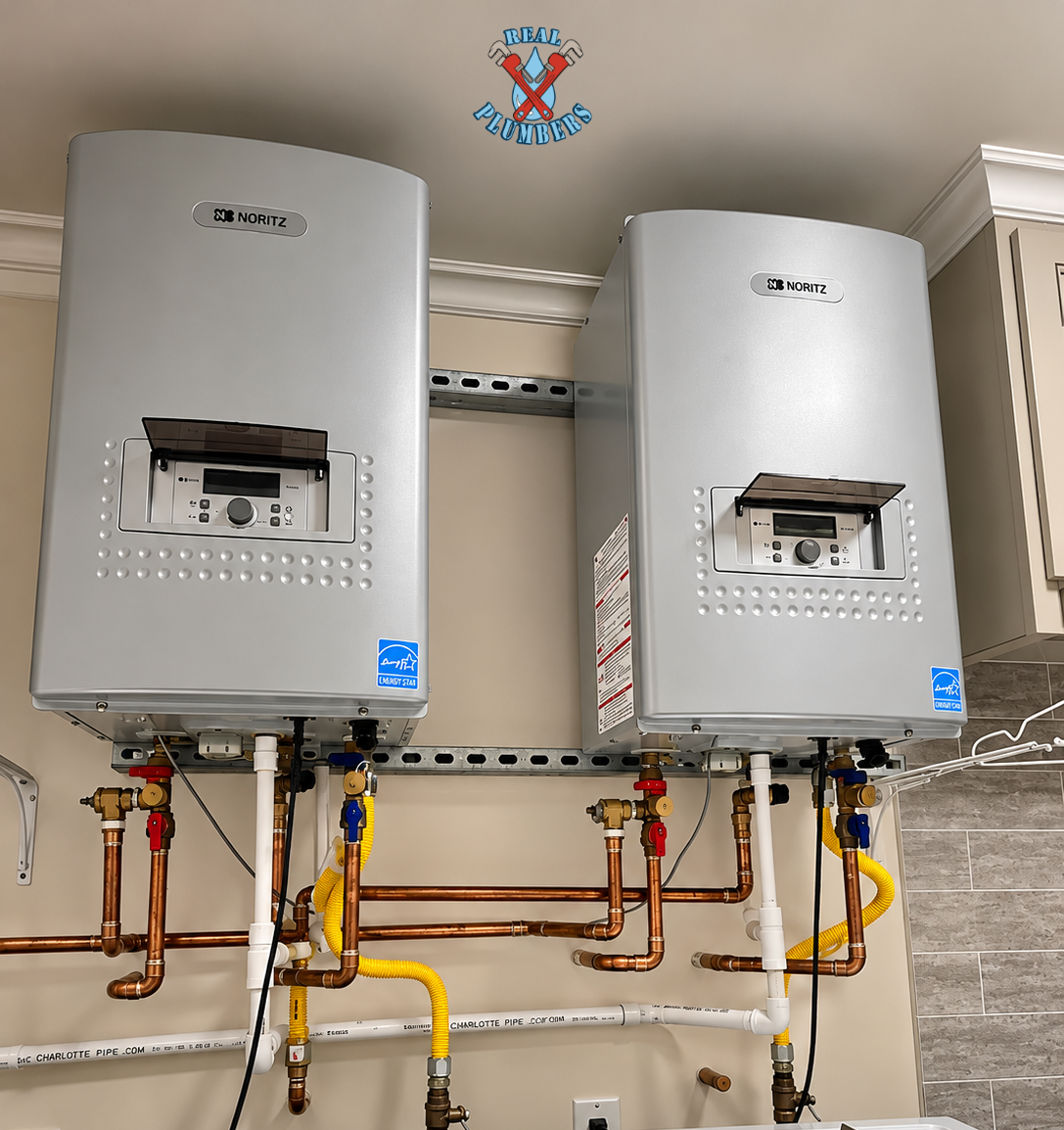
Tankless systems are compact and wall-mounted, which can free up valuable square footage in a garage, utility closet, or mechanical room. For smaller homes, condos, and properties where storage space matters, that compact footprint can be a meaningful advantage. It also creates more flexibility if you want to improve access to other utilities or simplify maintenance around the unit.
Many property owners also like the cleaner look. A modern wall-mounted system feels less intrusive than a large tank, and in some homes the extra floor space can be used for shelving, organization, or improved utility access. That practical benefit is easy to overlook until you experience it firsthand.
Longer service life
Tankless water heaters often last longer than traditional storage tanks when they are maintained properly. While no appliance lasts forever, the absence of a constantly filled tank can reduce certain kinds of wear, especially the corrosion and sediment stress that often shorten tank life. For homeowners who want to think in terms of long-term planning rather than recurring replacement cycles, that can be a strong advantage.
Still, longevity depends on maintenance. Mineral buildup, hard water conditions, and neglected flushing can all reduce performance. A modern system gives you a better foundation, but it still needs proper care to deliver its full lifespan.
When a Tankless Upgrade Makes Sense
Your current water heater is aging
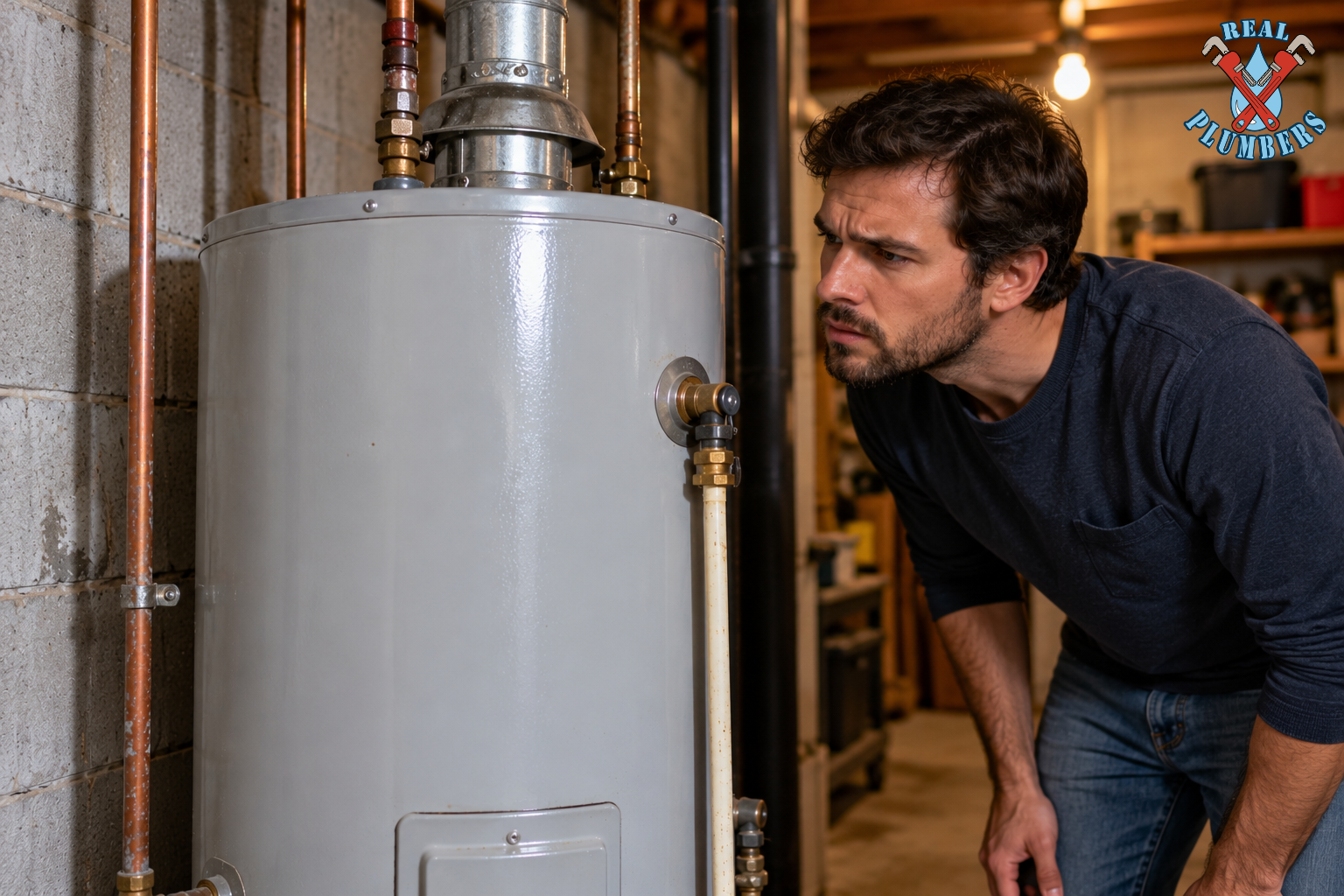
Most storage tank water heaters have a limited useful life, and once they start aging out, repairs become less effective. If your unit is getting older, needs frequent service, or has begun showing leaks and inconsistent output, replacement may be more cost-effective than continuing to patch problems. This is especially true if the tank has already gone through multiple repairs.
Homeowners who are unsure whether to repair or replace should think about how often the system has failed and how serious those failures have been. If you need a clearer comparison, our guide to water heater replacement warning signs can help you evaluate the situation more objectively.
You want to improve efficiency and comfort
Some upgrades are driven by failure, but others are driven by comfort and efficiency goals. If your current heater works only well enough, a tankless system may still be worth considering. Homeowners often make the switch when they want a cleaner utility area, more reliable hot water for busy routines, or lower energy waste over time.
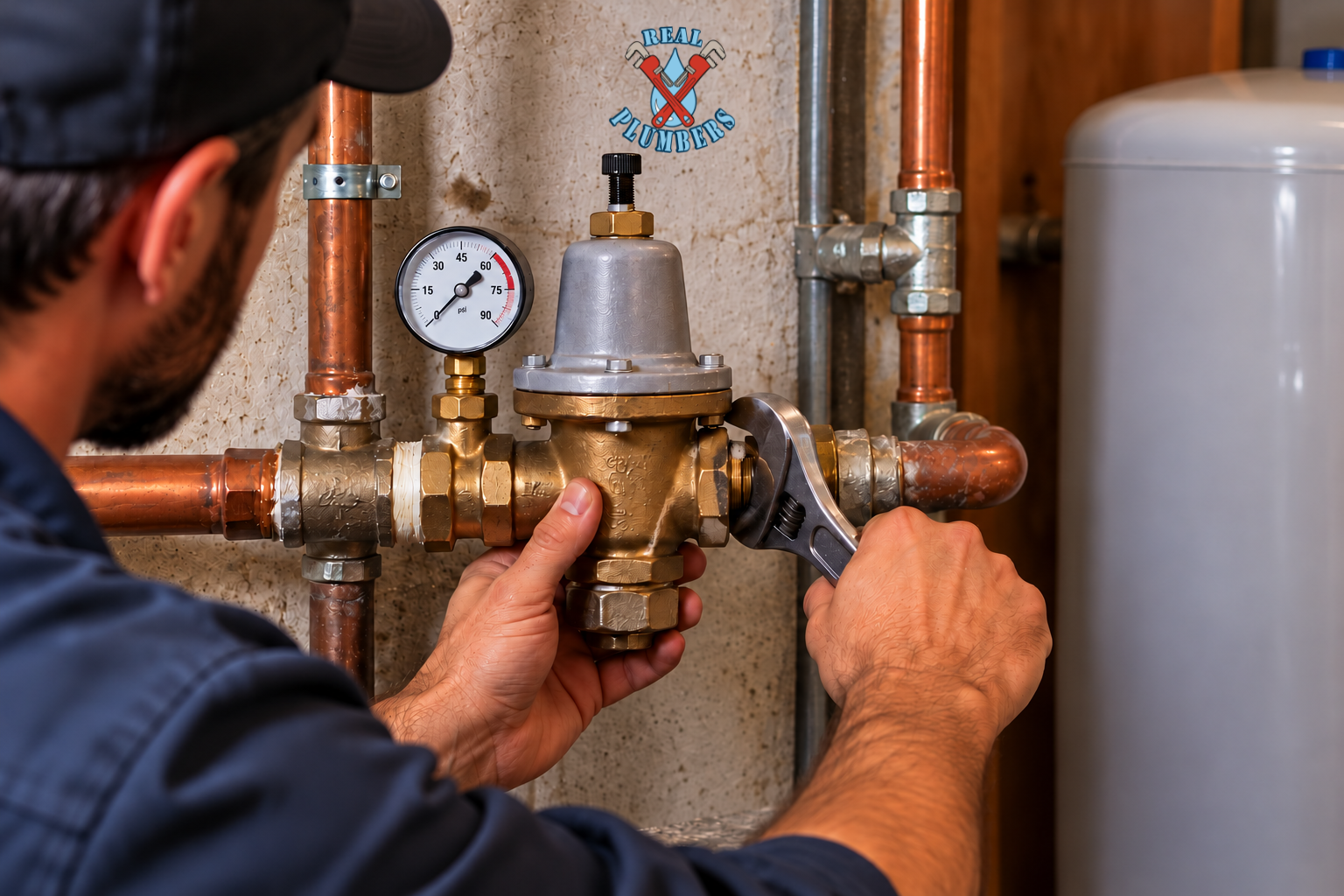
This is also a smart time to think about related plumbing components. If your water pressure has been inconsistent, or if flow fluctuations are affecting shower performance, a professional may recommend evaluating the whole system, including a water pressure regulator repair if needed. A good upgrade plan looks at the entire plumbing picture, not just the heater itself.
You are planning a remodel or property upgrade
Tankless systems are especially appealing during remodels, additions, and whole-home efficiency upgrades. If walls are already open or utility spaces are being redesigned, installation can be easier to coordinate. That timing can help reduce disruption and improve the final layout of the property.
For property owners who manage rentals or multi-unit spaces, a modern heater can also help streamline maintenance expectations. That matters because a hot water complaint is one of the fastest ways to turn a good tenant experience into a stressful one. Planning ahead often costs less than reacting after repeated breakdowns.
Tankless vs. Traditional Water Heaters
Upfront cost versus long-term value
Tankless systems typically cost more to install than standard tank models, especially if plumbing, venting, gas supply, or electrical upgrades are required. That higher upfront cost is one reason homeowners hesitate. However, many buyers look at the investment differently once they factor in efficiency, longer service life, and reduced standby losses.
The right question is not only, “What costs less today?” but also, “What delivers better value over time?” In many homes, a tankless system becomes attractive because it improves daily use while also supporting long-term efficiency goals. Still, the best choice depends on the condition of your current equipment and your household’s hot water habits.
Performance differences during peak demand
Traditional tanks can deliver a large burst of hot water quickly, but once that stored supply is gone, recovery time is required. Tankless systems do not store hot water, so their performance depends on flow rate and heating capacity. That means a properly chosen tankless unit can outperform a tank in many households, but only if it is matched correctly to actual demand.
For homes with heavy simultaneous usage, a professional may recommend either a high-capacity unit or multiple tankless systems. In some cases, if the existing tank is still in good condition, a repair may be enough for the short term. In others, switching to a modern system is the more practical answer.
Maintenance differences
Traditional tanks need periodic flushing, anode rod checks, and general monitoring for corrosion or leaks. Tankless systems also need maintenance, but the service tasks are different. Flushing to reduce mineral buildup is especially important in hard-water areas, and inlet filters may need cleaning depending on the model and usage.
If you have already had issues with sediment or noisy operation, it is worth reviewing our article on water heater warning signs. Strange sounds are often a clue that the heater is already under strain, and that can help you decide whether continued maintenance or replacement is the smarter path.
Common Questions Homeowners Ask Before Switching
Will a tankless water heater save money?
It can, but savings depend on household size, usage patterns, fuel type, and equipment quality. A smaller household that uses hot water in predictable bursts may see very good efficiency results. A larger family with higher simultaneous demand may still benefit, but the real value may come more from comfort and reliability than from dramatic utility bill reductions alone.
The best way to think about savings is as part of a larger value equation. You are not only buying a heater; you are investing in better performance, longer service life, and space efficiency. Those benefits can matter just as much as monthly energy use, especially over a system’s lifetime.
Can tankless systems handle large families?
Yes, but the unit must be sized correctly. Large families often benefit from a higher-capacity gas unit or a system designed for heavier simultaneous demand. If several showers, a dishwasher, and laundry all happen at once, the flow requirements can climb quickly. That is why professional planning matters so much.
For some households, the right solution may be a tankless upgrade paired with plumbing improvements elsewhere in the system. If you are already dealing with low flow or uneven water pressure, a related issue like water pressure replacement may be part of the solution. In other words, the water heater is only one piece of the performance puzzle.
What about rebates and efficiency standards?
Depending on where you live and what equipment you choose, rebates or incentive programs may be available. Federal, state, and utility programs change over time, so it is wise to check current details before you buy. These incentives can help offset the higher installation cost and make the upgrade more attractive.
It is also smart to review product efficiency labels and installation guidelines before finalizing your choice. Manufacturer specifications, local code requirements, and venting needs all affect whether a model is the right fit for your home.
Installation and Maintenance Best Practices
Plan the installation carefully
A successful tankless upgrade starts with proper planning. That means checking fuel supply, venting, water demand, electrical requirements, and available wall space before installation begins. Skipping these steps can lead to performance problems later, even if the unit itself is high quality.
During planning, it is also smart to think about the condition of related fixtures and piping. If your kitchen or bathroom fixtures are already aging, it may be a good time to consider faucet repair or other small upgrades so the whole system works more smoothly once the new heater is in place.
Schedule routine flushing
Hard water can leave mineral deposits inside any heater, and tankless units are no exception. Regular flushing helps keep heat transfer efficient and reduces wear on internal components. Homeowners often underestimate this step, but it is one of the most important parts of long-term performance.
If you live in an area with stubborn mineral buildup, maintenance becomes even more important. The good news is that routine service is usually straightforward when handled on schedule. A little prevention goes a long way toward preserving efficiency and avoiding inconvenient hot water loss.
Watch for early warning signs
Even modern systems can develop issues over time. Reduced hot water output, error codes, strange sounds, or visible leaks should not be ignored. These signs often indicate a component issue, venting concern, or mineral buildup that needs attention before it becomes a larger repair.
When a system is already failing, professional diagnosis can help determine whether repair is possible or whether replacement makes more financial sense. If you are seeing multiple symptoms at once, it may be wise to explore tankless water heater replacement before the system fails completely.
Real-World Examples of Why Homeowners Upgrade
A busy household with frequent hot water shortages
One common example is a family that has outgrown its old tank. Morning showers use up the available hot water before everyone leaves for work or school, and the tank struggles to recover fast enough for the next round of use. A tankless system, when properly sized, can dramatically improve that experience by reducing wait times and providing more consistent service.
In these households, the upgrade is often less about luxury and more about eliminating daily friction. The value comes from smoother routines, fewer complaints, and less pressure on the plumbing system during peak hours.
A homeowner renovating for efficiency
Another frequent scenario is a homeowner updating an older property with the goal of improving long-term efficiency. During the remodel, the utility area is reconfigured, making it easier to install a wall-mounted system. This is often the best time to upgrade because the project already includes plumbing access and construction coordination.
In cases like this, the owner may not have had a major heater failure. Instead, the switch is part of a smarter home improvement plan. That proactive approach can help avoid future emergencies while increasing the overall value and usability of the home.
A property owner managing reliability concerns
Commercial properties and rental homes often need dependable hot water with less downtime. A failing tank can create service calls, tenant complaints, and avoidable disruption. Modern water heaters help reduce those risks by improving efficiency and giving property managers a more predictable system to maintain.
For larger properties, a professional plumbing evaluation may also include drain and fixture checks. If there are signs of broader plumbing trouble, services like sewer and drain repair may be part of the overall maintenance plan to keep the property functioning properly.
Frequently Asked Questions About Tankless Water Heaters
Do tankless water heaters work in every home?
Not every home is an automatic fit, but many are good candidates. The best setup depends on the number of occupants, fixture layout, utility type, and hot water demand. Some homes need supporting upgrades to get the full benefit, while others are ready for installation with minimal changes.
A professional evaluation can help determine whether your home is a strong match. This step is especially useful if you want to avoid overspending on the wrong unit or under-sizing the system.
How long does installation take?
Installation time varies based on the existing plumbing layout and whether additional work is required. A straightforward replacement can be relatively efficient, while a more complex conversion may take longer because of venting, gas line, or electrical adjustments. The goal is not speed alone, but a proper and safe installation.
That is one reason homeowners benefit from working with an experienced plumbing team that can anticipate issues before they delay the project. Careful planning often prevents the most common surprises.
Is tankless always better than a tank?
Not necessarily. Tankless is often the better choice for efficiency, space savings, and long-term performance, but the right answer depends on household habits and budget. Some homes may still do better with a conventional tank if hot water demand is modest or if installation limitations make a tankless conversion inefficient.
The best solution is the one that fits your home, your usage, and your goals. If your current system is still serving you well, a repair may be enough. If it is aging or underperforming, replacement may deliver far better value.
Make the Smart Upgrade Decision
Think beyond the equipment itself
A modern water heater is not just a new appliance. It is part of a broader comfort and efficiency strategy for your home. The right system should improve daily routines, reduce waste, and provide reliable service that matches your household’s needs.
That is why professional guidance matters. A good plumber will not simply recommend the newest model. They will help you evaluate your water usage, plumbing condition, and long-term goals so the upgrade truly makes sense.
Know when to act
If your water heater is aging, noisy, inconsistent, or increasingly expensive to maintain, it may be time to consider a change. Waiting too long can turn a manageable project into an emergency replacement. Acting early gives you more control over your options, your budget, and your schedule.
Modern water heaters can offer real benefits, but the best results come from choosing the right system and installing it correctly. That combination is what turns a good product into a great home investment.
Talk to a trusted plumbing professional
If you are ready to explore a tankless upgrade or want help deciding whether repair or replacement is the better move, working with an experienced plumber is the smartest next step. Real Plumbers helps homeowners evaluate hot water problems, compare options, and choose solutions that fit the property and the budget. For personalized help, explore our water heater repair and tankless water heater installation services, or contact us to discuss your situation in detail.
Modern water heaters can improve comfort, save space, and support a more efficient home. If you are thinking about making the switch, now is the perfect time to learn what your home really needs and take the next step with confidence.