How to Know If Your Plumbing System Is Outdated
Sometimes, your plumbing system is just waiting to surprise you with a big headache. It might start small with tiny leaks or rusty water, but soon enough, you might be dealing with major repairs. Spotting these issues early can save you a lot of trouble, keep your home safe, and help you avoid wasting water.
In many older homes, especially around Southern California, plumbing systems have seen a lot of wear and tear over the years. This can mean old pipes, outdated fixtures, inefficient water heaters, and rusty shutoff valves, all of which can lead to bigger problems. If you're already noticing plumbing issues, it might be time to consider water leak repair or get a full check-up before things get worse.
Let's break down the common signs of an outdated plumbing system, what they mean, and the practical steps you can take. You'll learn when a repair will do the trick, when it's time for a replacement, and how regular checks can save you a bundle in the long run.
What an Outdated Plumbing System Really Means
Aging materials and worn components
Outdated plumbing isn't just about old pipes. It's about any part of the system that's past its prime or not working efficiently. This could involve old galvanized steel pipes, aging water heaters, or fixtures that are just out of date. Over time, these parts can wear out even if everything looks fine on the outside.
Different materials have different lifespans. Copper pipes can last 50 to 70 years, galvanized steel might make it 20 to 50 years, cast iron can go from 50 to 100 years, and PVC usually lasts 25 to 40 years. These numbers help estimate risks, but things like local water conditions and how well you maintain your system are also important. The U.S. Environmental Protection Agency has good information about water safety and infrastructure.
Why age isn't the only factor
Sometimes plumbing fails early due to poor installation, mineral buildup, high water pressure, or just years of neglect. On the flip side, well-installed and maintained systems can last longer. That's why just looking at your system isn't always enough. There could be hidden corrosion, pinhole leaks, or partial blockages lurking behind walls or under floors.
If you've got plumbing troubles in different parts of your house, it might mean the whole system is wearing out rather than just one part. In these cases, comparing repair costs with modern upgrades like water pressure regulator repair or targeted pipe replacement can help. Catching the problem early often makes it easier to handle.
The Most Common Signs Your Plumbing Needs an Upgrade
Frequent leaks that keep coming back
Leaking again? Persistent leaks from faucets, pipe joints, toilets, or water heaters can signal aging materials and worn seals. If fixing one leak leads to another popping up elsewhere, your system might be showing its age rather than just having bad luck.
Leaks waste water fast. The U.S. Geological Survey says household leaks can waste gallons of water daily. That wasted water can rack up your bill and lead to structural damage, mold, and hidden moisture behind walls. If you're seeing recurring moisture stains or mysterious damp spots, a professional leak repair service can uncover a bigger issue.
Low water pressure throughout the house
Is your water pressure low everywhere? While a clogged showerhead or a single fixture issue might be simple, widespread pressure loss often means corrosion, scale buildup, or hidden leaks in the supply lines. In older galvanized systems, internal rust can narrow the pipe diameter over time, reducing flow.
Pressure issues can affect your daily comfort and appliance performance. Dishwashers fill slowly, showers feel weak, and laundry cycles drag on. If it's a failing pressure control component, a pressure regulator repair can help restore balance and protect your pipes from strain. A qualified plumber can tell if the issue is local or systemwide.
Discolored, rusty, or metallic-tasting water
Seeing brown, yellow, or rusty water? That can mean corrosion is happening somewhere in your plumbing. Sometimes sediment from the water heater is to blame, but in older homes, deteriorating pipes are often the culprit. Rust affects appearance and taste and can signal that the inside of the pipes is breaking down.
The Centers for Disease Control and Prevention explains that water quality concerns can come from aging infrastructure, and homeowners should watch for changes in appearance, smell, or taste. If discoloration clears after you turn on a tap, corroded pipes might be the problem. When it's throughout the home, schedule an inspection before contaminants or pipe failure become a risk.
Slow drains and repeated clogs
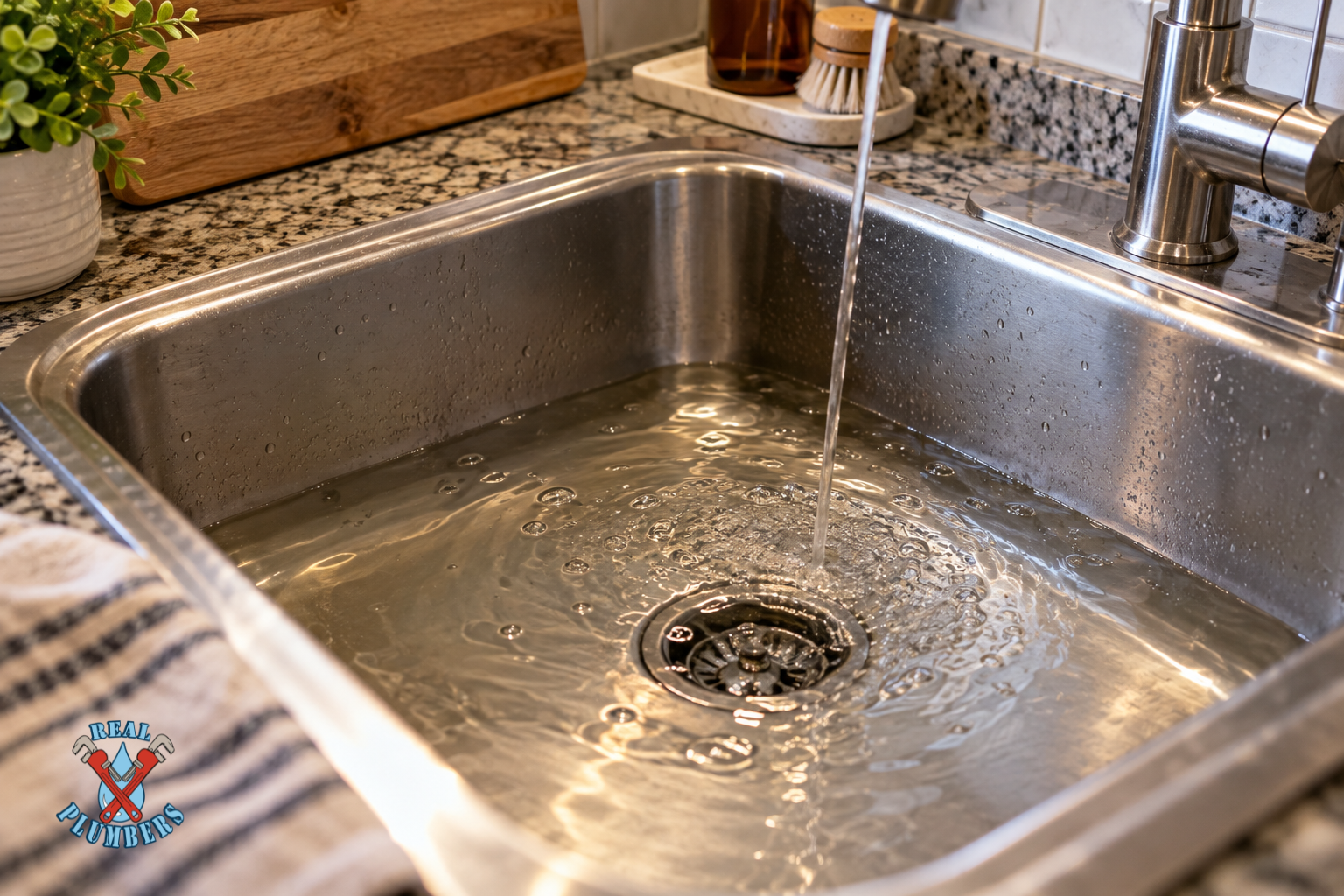
Are your drains slow? Hair, soap buildup, grease, and debris can create ordinary clogs, but repeated slow drainage in multiple rooms may suggest damaged, sagging, or partially blocked pipes. In older homes, internal pipe scaling or root intrusion can slow the system, even if the fixtures are clean.
If you've tried the usual DIY fixes and the problem keeps coming back, professional drain service may be the next step. A stubborn kitchen line, for example, may need kitchen sink clog repair or broader sewer and drain repair if the blockage is deeper in the system. For bathrooms with slow showers and pooling water, shower clog service can help determine whether the issue is local or linked to an aging drain line.
Hidden Warning Signs Homeowners Often Miss
Unusual noises inside the walls
Do you hear banging, clanking, creaking, or rattling sounds in your pipes? These noises can come from water hammer, loose pipe mounts, changing pressure, or pipes expanding and contracting inside walls. In older systems, worn fittings or aging supports often worsen the problem.
These noises might seem harmless, but they often indicate stress on the system. Left alone, that stress can lead to joint failures, fixture damage, or leaks in hard-to-reach areas. If a faucet, shower, or appliance seems to trigger a banging sound, a plumbing inspection can find the source and determine whether a small correction or a larger upgrade is needed. It might also be worth checking out related fixture problems through faucet repair or shower valve repair.
Higher water bills without a clear reason
Is your water bill suddenly higher? A leak might be hidden underground, inside a wall, or in a fixture that wastes water intermittently. Inefficient fixtures and failing valves can also quietly increase consumption.
Many leaks aren't visible, so homeowners often don't realize there's a problem until the bill arrives. The EPA’s WaterSense program notes that household leaks can be a major source of waste, and a simple inspection can reveal issues that are easy to miss. If your bill has risen but your habits haven't changed, ask a licensed plumber to check the entire system, including supply lines, fixtures, and water-using appliances.
Mold, mildew, or musty odors
Where there's hidden moisture, there's often mold or mildew. An outdated plumbing system might leak just enough water to keep a wall cavity, floor area, or cabinet damp without showing puddles. Over time, that creates a musty odor and can affect indoor air quality and comfort.
Mold growth isn't just a cosmetic issue. It can damage drywall, flooring, cabinets, and insulation, and it can make a home feel unhealthy even before the source is visible. If you smell mildew near a bathroom, kitchen, or laundry area, it's important to investigate quickly. A leak repair visit can often find the cause before the moisture spreads and turns into a larger remediation project.
How Plumbing Materials Affect Replacement Timing
Galvanized steel and corrosion risk
Galvanized steel pipes were common in older homes, but they're now known for corrosion and internal buildup. As the protective coating wears away, rust can develop inside, reducing flow and increasing leak risk. Often, the outside looks fine even though the interior is badly restricted.
Homeowners with galvanized plumbing often notice low pressure, brown water, or frequent patch repairs before the system is fully replaced. If your home still has this material, a plumber can evaluate whether sections should be upgraded now or monitored closely. Replacing deteriorating supply lines with more modern materials can improve water quality, flow, and reliability.
Cast iron, PVC, and newer materials
Cast iron is durable, but it can deteriorate over time, especially in drain and sewer applications. PVC is more resistant to corrosion, but older or poorly installed sections can still crack, sag, or clog. Newer options like PEX and CPVC are popular because they offer flexibility, easier installation, and strong resistance to wear.
Choosing modern materials doesn't automatically solve every plumbing issue, but it can significantly reduce future maintenance needs. For homes with repeated pipe failures or aging supply lines, an upgrade can provide better performance and fewer surprises. If your system is nearing the end of its expected lifespan, it might be time to discuss a strategic replacement plan instead of waiting for an emergency.
Real-World Examples of Outdated Plumbing Problems
Case study: low-pressure and galvanized lines
One homeowner in an older neighborhood noticed the shower was weak and the kitchen sink took longer to fill. It seemed minor at first, but after several small repairs failed, a full inspection showed the galvanized steel supply lines were heavily corroded. The pipes had narrowed so much that water couldn't flow freely.
After replacing with modern piping, the home's pressure improved immediately, and several recurring leaks stopped. This example shows why isolated fixes aren't always enough. When multiple symptoms point to the same aging system, a full upgrade can be more cost-effective than repeatedly paying for temporary repairs.
Case study: discolored water and rising bills
In another older home, rusty water appeared in the morning, and the utility bill kept climbing. The problem was deteriorating cast iron piping combined with a hidden leak near a service area. Because the issue developed slowly, the homeowners had adapted to it without realizing how much water was being lost.
Once identified, the damaged sections were replaced, and the system was cleaned up for better function. The family stopped worrying every time the tap water looked unusual. This scenario shows the value of acting before damage becomes visible in walls, flooring, or cabinetry.
When Repair Is Enough and When Replacement Makes Sense
Signs a repair may be sufficient
Not every plumbing problem means the whole system is outdated. A single worn faucet washer, a faulty shower cartridge, or a localized clog can often be repaired quickly and affordably. If the rest of the system is in good shape, a targeted repair can restore performance without major disruption.
If one toilet runs constantly while the rest of the plumbing works well, the issue may be limited to that fixture. The same is true for an isolated water heater problem, where professional water heater repair may be all that's needed. The key is determining whether the issue is isolated or part of a larger pattern of deterioration.
Sign replacement is the better investment.
Replacement becomes more attractive when failures happen repeatedly, multiple materials are near the end of their lifespan, or the same symptoms keep returning after repair. If you've had several leaks in different places, frequent drainage backups, or pressure problems throughout the home, the plumbing system may be telling you it needs a broader solution.
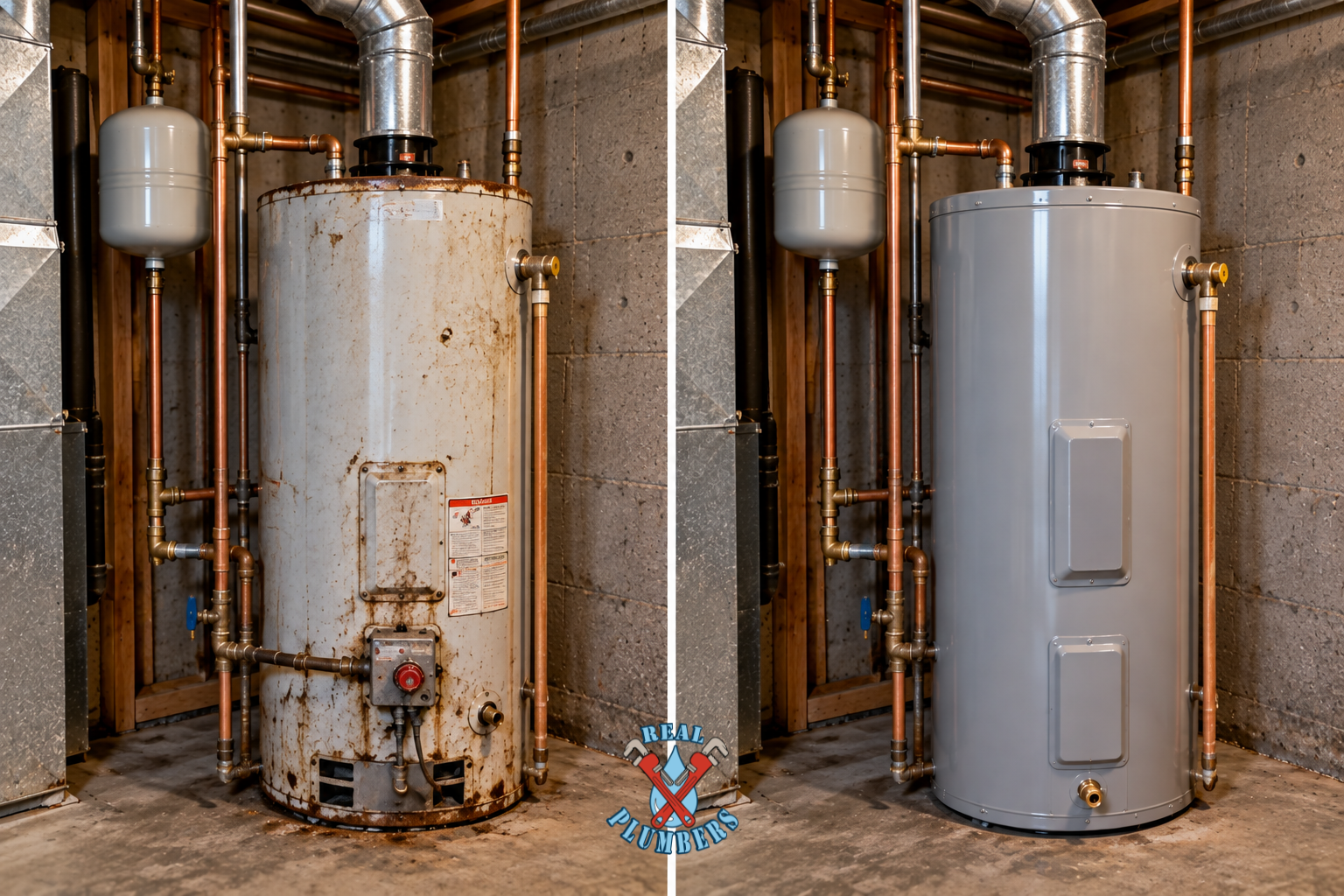
In those cases, modernizing the system can improve water efficiency, reduce emergency calls, and protect your property from hidden damage. A full upgrade may also be the right time to consider related improvements like water heater replacement or a switch to tankless water heater installation if your current equipment is also aging. The best choice is usually the one that solves the problem for the long term, not just the next few months.
How Often Should You Inspect Your Plumbing?
Recommended inspection timeline
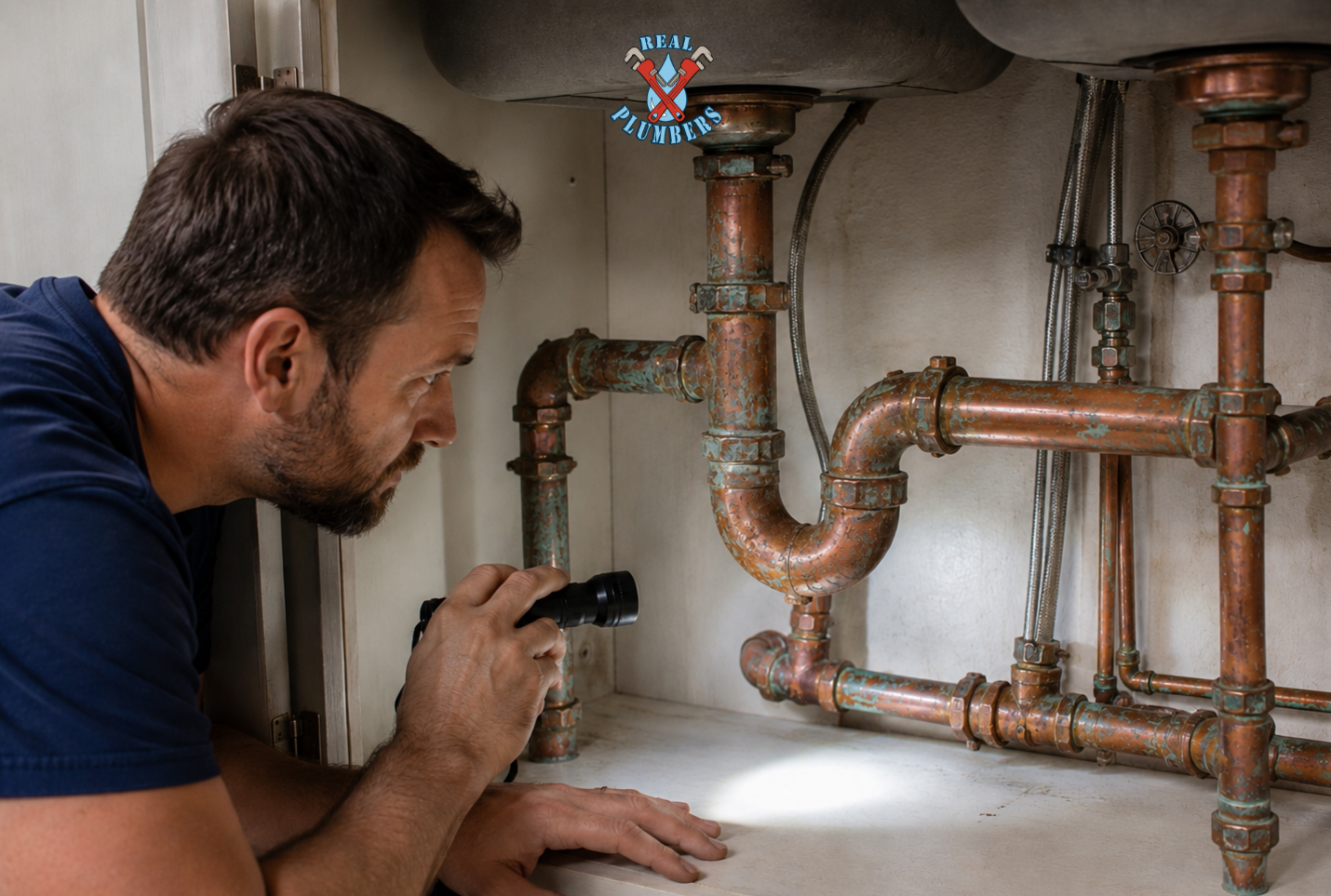
Most homeowners should schedule a professional plumbing inspection every two to three years, or sooner if they notice warning signs. Homes with older pipes, frequent leaks, hard water, or a history of drainage problems may benefit from more regular checks. An inspection can reveal corrosion, pressure issues, fixture wear, and hidden leaks before they become emergencies.
Routine maintenance is especially important in older neighborhoods where systems may be a mix of original materials and partial updates. Even a small issue can reveal larger vulnerabilities when the whole network has been patched over time. If you're unsure about the condition of your system, a licensed plumber can help you create a maintenance schedule that fits your home and budget.
What a good inspection should include
A thorough inspection should look at visible piping, shutoff valves, fixtures, drains, water pressure, and water heater condition. It should also identify signs of corrosion, moisture, unusual noise, and drainage slowdowns. Testing multiple fixtures helps the plumber determine whether the issue is isolated or widespread.
For older homes, it may also be wise to inspect sewer lines, especially if you notice repeated backups or frequent toilet problems. Root intrusion, scale buildup, or cracked lines can develop quietly and then create major headaches later. Professional sewer evaluation can prevent a messy emergency from turning into a full property repair project.
What Homeowners Can Do Right Now
Simple checks you can perform today
Start by looking under sinks, around toilets, behind the washing machine, and near the water heater for dampness or corrosion. Turn on several taps and compare water pressure from room to room. Check whether the water looks clear, smells unusual, or takes too long to warm up.
Pay attention to sounds. If pipes bang when you shut off a faucet or if a fixture hisses or rattles, those are clues worth noting. Small observations like these can help a plumber diagnose the issue faster and recommend the right repair or upgrade.
When to call a professional immediately
If you see active leaking, sudden water discoloration, sewage odors, repeated backups, or a major drop in water pressure, don't wait. These problems can escalate quickly and cause structural or health-related damage. If the issue involves drainage or sewer lines, prompt main sewer rooter service may be necessary to restore proper flow and avoid backups inside the home.
For homeowners in the greater Los Angeles area, professional help is especially valuable because older properties often have layered plumbing histories with several different pipe types. A trained plumber can identify what should be repaired, what should be replaced, and which upgrades will provide the best return over time. In many cases, the cost of early intervention is far lower than the cost of emergency cleanup.
Conclusion: Protect Your Home Before Plumbing Problems Grow
Knowing how to tell if your plumbing system is outdated can save you money, stress, and water. Frequent leaks, low pressure, rusty water, slow drains, strange noises, mold growth, and rising bills are all signs that your system may be reaching the end of its life. The earlier you recognize these warning signs, the easier it is to choose the right fix before a small problem becomes a major repair.
If your home is showing more than one of these symptoms, it's time to take them seriously. Start with an inspection, compare repair options with longer-term upgrade solutions, and make a plan based on the age and condition of your system. If you need help evaluating your plumbing, contact Real Plumbers for honest guidance and dependable service. Whether you need leak repair, drain clearing, fixture work, or system upgrades, the right solution can restore peace of mind and keep your home running smoothly for years to come.
Need a closer look at your system? Reach out to Real Plumbers at realplumbersinc.com or call (323) 821-7922 to schedule service and get expert advice before the next small issue turns into a costly surprise.