Water Heater Making Strange Noises? Here's Why You Shouldn't Ignore Them
Your water heater should quietly do its job, giving you hot water whenever you need it. But if it starts making popping, banging, hissing, or rumbling sounds, those aren’t just harmless noises. Often, they’re warnings about sediment buildup, pressure changes, wear, or a part that might be on its last leg. Catching these early can save you a lot of money and stress.
If you're already using water heater repair services or want to avoid a sudden breakdown, knowing what these sounds mean is crucial. It helps you decide if you need a quick fix, a full flush, or a new unit. For more on water heater efficiency and maintenance, check out the general guidance from the U.S. Department of Energy.
Why Water Heaters Make Noise in the First Place
Sediment Buildup is the Most Common Cause
Minerals in water can settle at the bottom of your tank over time. When the heater kicks in, water bubbles through this layer of sediment, causing popping or crackling noises. This happens a lot in areas with hard water or in older systems that haven’t been flushed regularly.
Sediment doesn’t just make noise. It reduces your heater’s efficiency, makes it work harder, and can create hot spots that shorten the tank’s life. In severe cases, it can cause overheating, rusty water, and leaks. A regular flush can often help, but if the sediment has hardened, you might need more serious service.
Thermal Expansion and Pressure Changes
Sometimes, noise comes from the water expanding as it heats up. A little clicking or ticking might just be pipes or mounting hardware expanding and contracting. But if the sounds get louder or more frequent, there might be a pressure issue.
If the noise comes with temperature spikes, dripping from the relief valve, or changes in water flow, you might have a faulty pressure control or an aging tank. A pro can tell if it’s normal expansion or a sign that your system is under stress.
Loose Parts, Corrosion, and Aging Components
As water heaters age, parts can wear down. Screws can come loose, heating elements can degrade, and corrosion can weaken the tank or its fittings. These issues often become more noticeable as vibrations from normal operation cause rattling or banging sounds.
Don’t ignore these noises just because you still have hot water. An older unit might keep working for a while, but those sounds could mean you’re moving from the maintenance phase to needing a repair or replacement. If your unit is near the end of its life, make decisions quickly and carefully.
What Different Water Heater Noises Usually Mean
Popping and Crackling
Popping sounds are common and usually mean there’s sediment in your tank. Water trapped under the mineral layer boils and escapes, making a popping sound. This noise might get louder over time as sediment builds up.
This isn’t just a nuisance. It often means your heater is losing efficiency. If ignored, it might use more energy for the same amount of hot water, putting extra strain on the tank and wearing it out faster. This is often the first sign that a maintenance flush is overdue.
Banging or Hammering
Banging sounds can be alarming. Sometimes, they’re caused by water hammer, which happens when fast-moving water suddenly stops, creating shockwaves through the pipes. Other times, it can be boiling water under heavy sediment or loose pipe straps vibrating when the heater runs.
Water hammer can damage joints and valves over time. If banging occurs when appliances turn off or when the heater cycles, it’s worth checking the pressure and piping. You may need a pressure adjustment or a plumbing fix to solve the issue.
Hissing or Sizzling
Hissing usually means water is dripping onto a hot surface, like the burner or a heating element. This can happen if a fitting leaks, a valve fails, or condensation collects where it shouldn’t. It might also signal a small leak that’s getting worse.
Take this sound seriously, as it could involve moisture around electrical or gas components. If you hear sizzling, along with any smell, smoke, or visible corrosion, shut the system down and get help right away. If there are active leaks, water leak repair might be needed before the heater can be serviced safely.
Rumbling or Low Booming
Rumbling usually means a thicker sediment layer than just popping. The heater might sound like it’s struggling to boil water beneath debris at the tank’s bottom. This effort can cause vibration and a low rolling noise that worsens during heating cycles.
Rumbling can also occur if a burner is firing inefficiently or if the tank is close to failing. If the sound is deep and persistent, don’t wait until the unit stops working. A plumbing inspection can help decide if a flush will solve the problem or if replacement is the safer choice.
Why Ignoring the Noise Can Cost You More
Higher Utility Bills and Lower Efficiency
A noisy heater often works harder than it should. Sediment acts like insulation between the heat source and the water, causing the system to burn more gas or electricity for the same result. Over time, this inefficiency quietly raises utility costs.
The increase might seem small at first, but it adds up month after month. You might not notice the financial impact until the system becomes unreliable. Addressing noise early can improve performance and extend the appliance’s life.
Reduced Hot Water Output
Sediment takes up space inside the tank, leaving less room for usable hot water. This means showers might end too soon, dishwashing could become inconvenient, and the tank might recover slowly between uses. Some think their unit is too small, but it’s often due to buildup and age.
This is why strange noises and insufficient hot water often occur together. If you notice shorter hot water cycles, it might be time to consider water heater replacement instead of trying to patch up an aging unit. Replacing a failing heater can restore comfort and consistency.
Leaks, Bursts, and Water Damage
Noisy tanks can warn of leaks before they start. Corrosion, internal pressure, or overheated components might weaken the tank until it fails. When that happens, water damage can spread quickly, especially if the unit is in a closet, garage, attic, or near finished flooring.
According to the CDC, water quality and plumbing materials affect household safety, highlighting why paying attention to aging plumbing equipment is crucial. While the CDC focuses on water-related health info, the broader lesson applies: Older systems need close attention before problems turn costly.
How to Tell the Difference Between Normal and Problematic Sounds
Listen for Frequency and Intensity
Water heaters make some noise as they work. A soft hum or faint clicking can be normal, especially during heating cycles. What matters is if the sound changes over time, gets louder, or happens more often.
If the noise goes from barely noticeable to disruptive, it usually suggests wear or buildup. Sounds that come and go with seasonal use might be less concerning than those occurring every time the tank heats. Tracking the timing helps a plumber diagnose the cause faster.
Check for Related Symptoms
Noise is more concerning when paired with other signs like rusty water, low pressure, fluctuating temperatures, moisture around the base, or a rotten egg smell near a gas unit. These clues help separate harmless vibration from a serious issue.
If your hot water becomes inconsistent, compare the sound issue with performance symptoms. For example, if the heater is noisy and also runs out of hot water quickly, the tank might be near the end of its life. The same is true if fixtures show pressure changes, where water pressure regulator repair could help.
Know When the Sound Changes After Maintenance
Your water heater might sound different after a flush or service, but changes should be temporary. If it stays loud after maintenance, there might be a deeper issue like failing components, improper installation, or a poorly functioning valve.
Follow-up inspections matter. Maintenance can solve the obvious issue, but if noise persists, the system needs a deeper diagnosis. A good plumber will check the tank, piping, safety valves, and surrounding components before recommending the next step.
What Homeowners Can Safely Do Before Calling a Plumber
Look for Visible Leaks or Corrosion
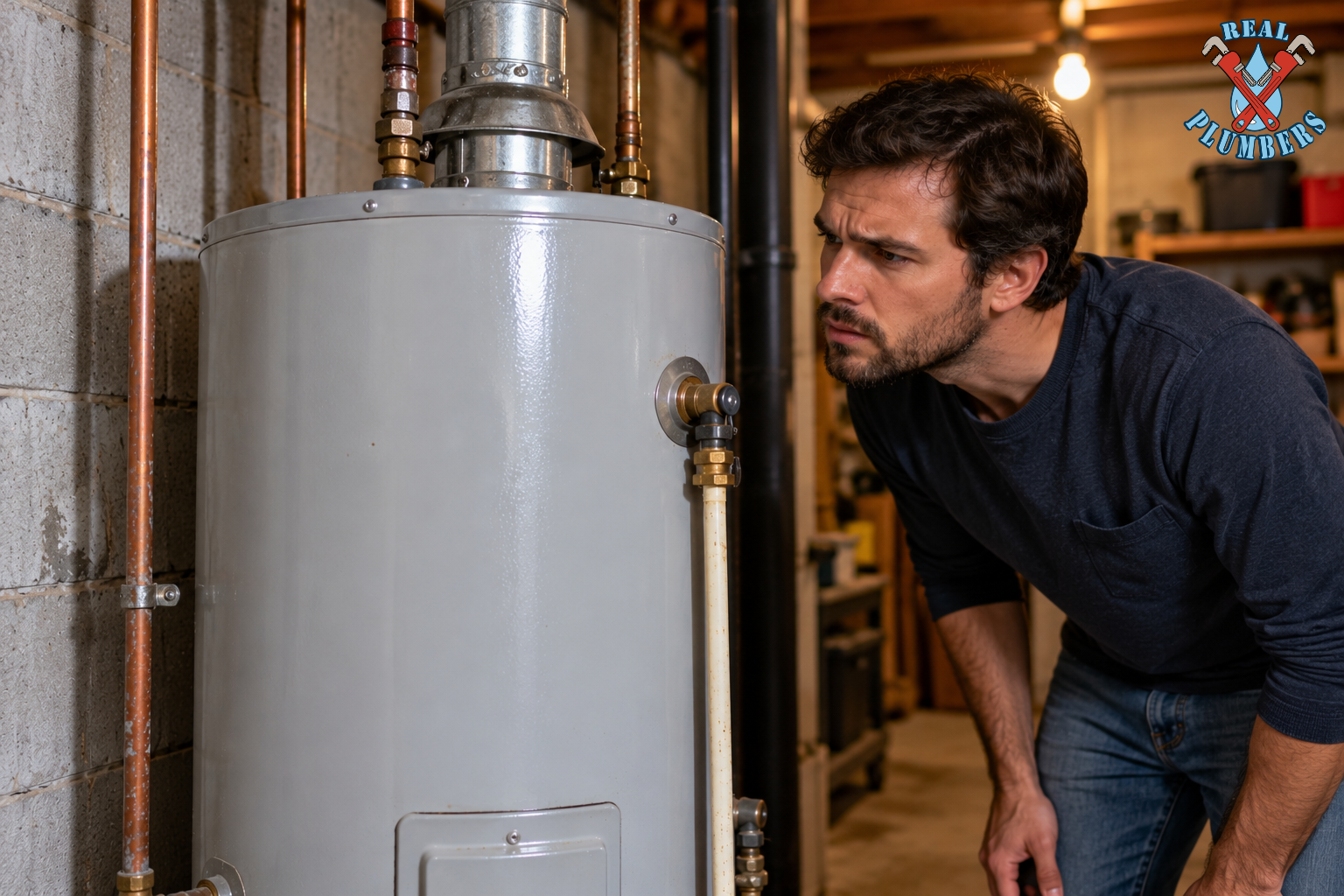
Start with a visual inspection. Check around the base of the water heater, the fittings, the expansion tank, and the temperature-pressure relief valve. If you see rust streaks, pooled water, or green corrosion on copper fittings, the problem might be more than just noise.
Don’t open sealed components or remove gas parts if you’re not trained to do so. The goal is to gather info, not perform a repair that could cause more damage or create a safety hazard. A few photos can help a technician understand the problem before arriving on site.
Listen to When the Noise Happens
Note whether the sound appears during heating, when hot water is drawn, or when other appliances are running. This detail can help determine if the issue is coming from the tank itself, from pipe vibration, or from water hammer in the plumbing system.
If the sound happens only when a sink or washing machine turns off, the heater might not be the problem. It could be a broader pipe-pressure issue needing a plumbing correction. In cases with slow drainage or system backups affecting surrounding fixtures, other services like clogged drains or sewer and drain repair might also be relevant if the home has multiple plumbing symptoms.
Check the Age of the Unit
Most traditional tank water heaters last about 8 to 12 years, depending on water quality, maintenance, and usage. If your heater is in that range or older, strange noises are more likely to indicate wear at the end of the unit’s life rather than a simple one-time issue.
Knowing the age helps guide the repair-vs-replacement conversation. An older system might still be fixable, but it might not make financial sense to invest heavily in a unit nearing retirement. A plumber can help you compare short-term repair costs with long-term replacement value.
Repair, Flush, or Replace? How to Decide
When a Flush May Be Enough
If the water heater is relatively new, still heating well, and only making popping or crackling noises, a professional flush may restore quiet operation. Flushing removes loose sediment and can improve both noise and efficiency. It’s one of the most common first-line solutions for tank units.
But flushing isn’t a cure-all. If the heater has been neglected for years, the sediment might be compacted too firmly to remove easily. In that case, the unit might keep making noise or may already have suffered internal wear that can’t be reversed.
When Repair Makes More Sense
Repair is often the better choice when the noise comes from a replaceable component like a valve, heating element, thermostat, or pressure-related accessory. If the tank is sound and the rest of the unit is in good shape, targeted repair can be efficient and cost-effective.
Professional diagnosis matters because the same sound can come from very different problems. For instance, a hissing sound might be a small leak, while a rumble may be sediment, and a bang may be pipe shock. Correctly identifying the cause is the difference between a lasting fix and a temporary bandage. If the heater also struggles with showers or fixtures, a related shower valve repair might be needed to restore consistent temperature and flow in the bathroom.
When Replacement Is the Smarter Investment
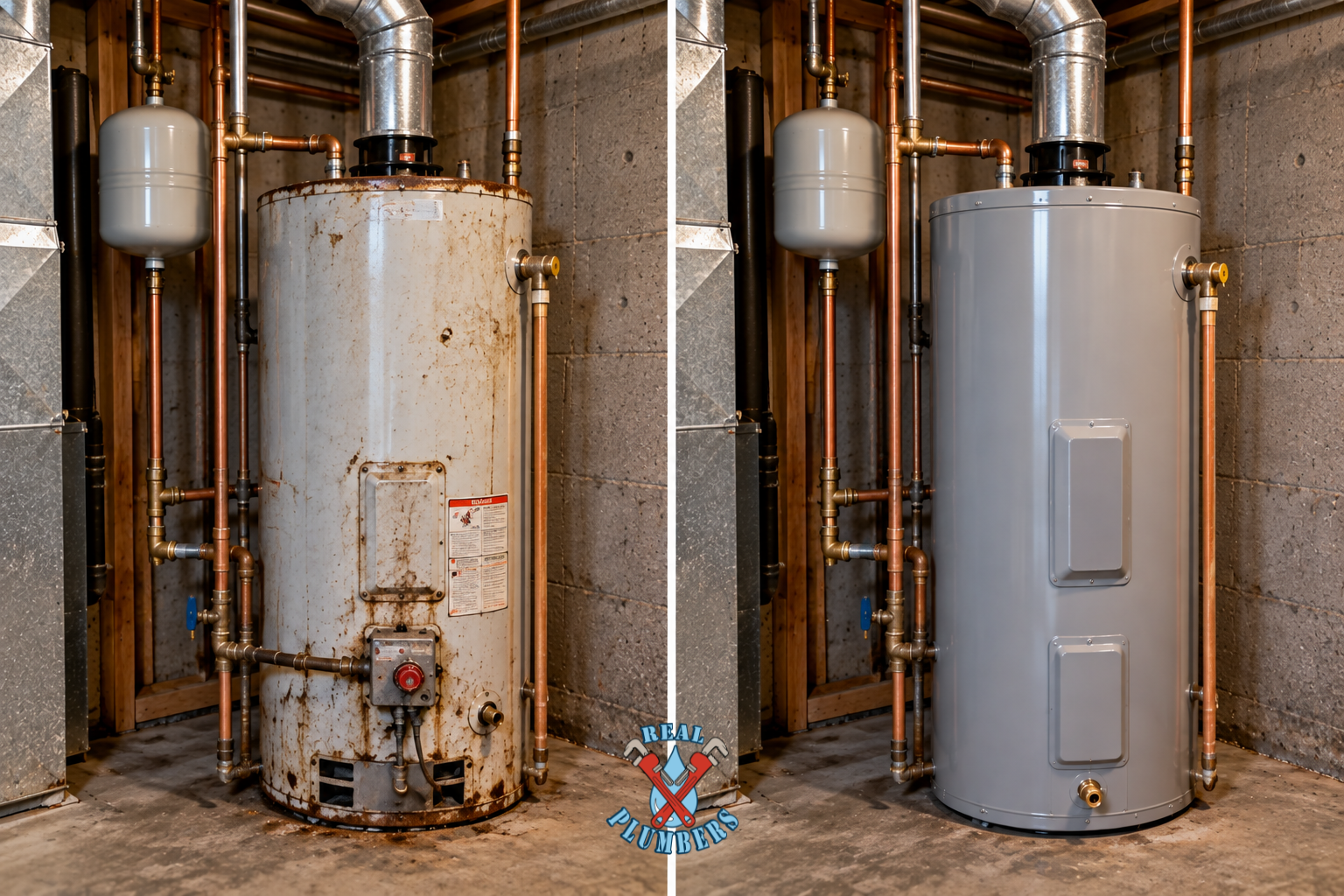
Replacement often makes sense when the unit is old, inefficient, leaking, rusted, or repeatedly needing service. If the tank is making louder noises every month, the cost of repeated visits may eventually exceed the cost of a new system. That’s especially true when hot water delivery has become unreliable.
For many households, upgrading to a newer model offers better performance, improved efficiency, and fewer emergencies. If you’re considering a new unit, options like tankless water heater installation can provide steady hot water and space-saving benefits, while tankless water heater replacement can restore dependable performance when an existing unit is failing.
How Professionals Diagnose the Problem
Inspecting the Tank and Surrounding Plumbing
A plumber will usually start by checking the tank, the burner or elements, fittings, venting, and nearby piping. This helps reveal whether the noise is internal to the heater or caused by something outside it. The inspection may also uncover hidden leaks or poor connections that make noise worse.
In more advanced cases, a technician might test water pressure, inspect the relief valve, and evaluate whether the system is protected properly against thermal expansion. That broader approach is important because the noise might be a symptom of a larger plumbing condition rather than just a heater issue.
Looking for Efficiency and Safety Issues
Professionals don’t just listen to the noise. They also look at how the unit performs under load, whether the burner flame is stable, whether the temperature is consistent, and whether any safety devices are being triggered. Those details tell the story behind the sound.
For homeowners who want a broader understanding of how water heating systems operate, the EPA WaterSense program is a useful educational resource. It explains efficiency basics that matter when deciding whether to keep repairing a system or invest in a better replacement.
Preventive Maintenance Recommendations
Once the cause is found, a plumber might recommend flushing the tank, replacing a valve, adjusting pressure, insulating pipes, or planning for replacement. The best solution depends on the unit’s age and symptom severity. A good maintenance plan is tailored to the home rather than based on guesswork.
If your system has been noisy for a while, it’s wise to ask about long-term maintenance options instead of only a one-time fix. That can include checking related plumbing fixtures like faucets, drains, and pressure-control devices so the same issue doesn’t repeat in another form. In some homes, faucet repair can also help address noisy or vibrating water lines that make the system seem louder than it should be.
Frequently Asked Questions About Noisy Water Heaters
Is a Noisy Water Heater Dangerous?
Not every noise is dangerous, but many are warning signs. A little ticking or soft hum might be normal, while loud banging, hissing, rumbling, or sizzling could point to pressure issues, leaks, or overheating. If the sound changes suddenly or is paired with moisture, odor, or loss of hot water, it should be checked promptly.
Can I Flush the Tank Myself?
Some homeowners can perform a basic flush, but it’s not always advisable without experience. Older valves can fail, sediment can clog drains, and mistakes can create leaks or burns. If the unit is old, heavily scaled, or already showing other symptoms, professional service is safer and more effective.
How Often Should a Water Heater Be Serviced?
A yearly inspection is a good rule of thumb for most homes. Depending on water quality and usage, flushing might be recommended once a year or every couple of years. Regular service helps catch noise-related issues early before they become expensive problems.
Should I Replace My Heater If It’s Making Noise But Still Works?
Maybe, but not always. If the unit is newer and the issue is minor, repair or flushing might be enough. If it’s old, inefficient, leaking, or repeatedly noisy, replacement might be the better financial choice. The right answer depends on age, condition, and repair history.
Final Takeaway: Don't Wait for a Small Sound to Become a Big Problem
Strange water heater noises often hint that something inside the system is changing. Whether it’s sediment, pressure, a leak, or aging parts, acting early can prevent higher utility bills, poor hot water performance, and costly water damage. Listening closely now can save you from a much bigger repair later.
If your water heater is popping, banging, hissing, or rumbling, don’t ignore it. A professional inspection can determine if the fix is a flush, a repair, or a full replacement. For reliable help from a team that knows water heaters and the rest of your plumbing system, contact Real Plumbers. When you need a trusted plumber in Los Angeles, fast answers and careful service make all the difference. You can also review our water heater repair and water heater replacement options to decide what comes next.
Ready to restore quiet, reliable hot water? Reach out to Real Plumbers for expert guidance, honest recommendations, and service that puts your home first.