Why Low Water Pressure Deserves Your Attention
Low water pressure might just seem like a small hiccup at first, but it often hints at a bigger plumbing issue that shouldn't be brushed aside. If your showers are feeling weak, sinks take forever to fill, or multiple fixtures start acting sluggish, there might be more going on than just a minor inconvenience. Often, it's the pressure regulator that's the culprit, so getting it checked is crucial. If you're weighing your options, it's good to know when a quick fix will do and when it's time to think about water pressure regulator repair or even replacement.
Water pressure impacts more than just comfort. It affects how well your appliances work, how long fixtures last, the risk of leaks, and how much water you use daily. The U.S. Environmental Protection Agency mentions that household leaks and inefficient plumbing can waste a lot of water over time, making it important to tackle pressure problems early. For a deeper dive into keeping your system healthy, check out our plumbing tips for homeowners article. It offers a solid foundation for spotting early warning signs before they turn into costly repairs. For water-efficiency tips, the EPA’s WaterSense program is a great resource: https://www.epa.gov/watersense.
What a Pressure Regulator Does in Your Home
The job of a pressure regulator
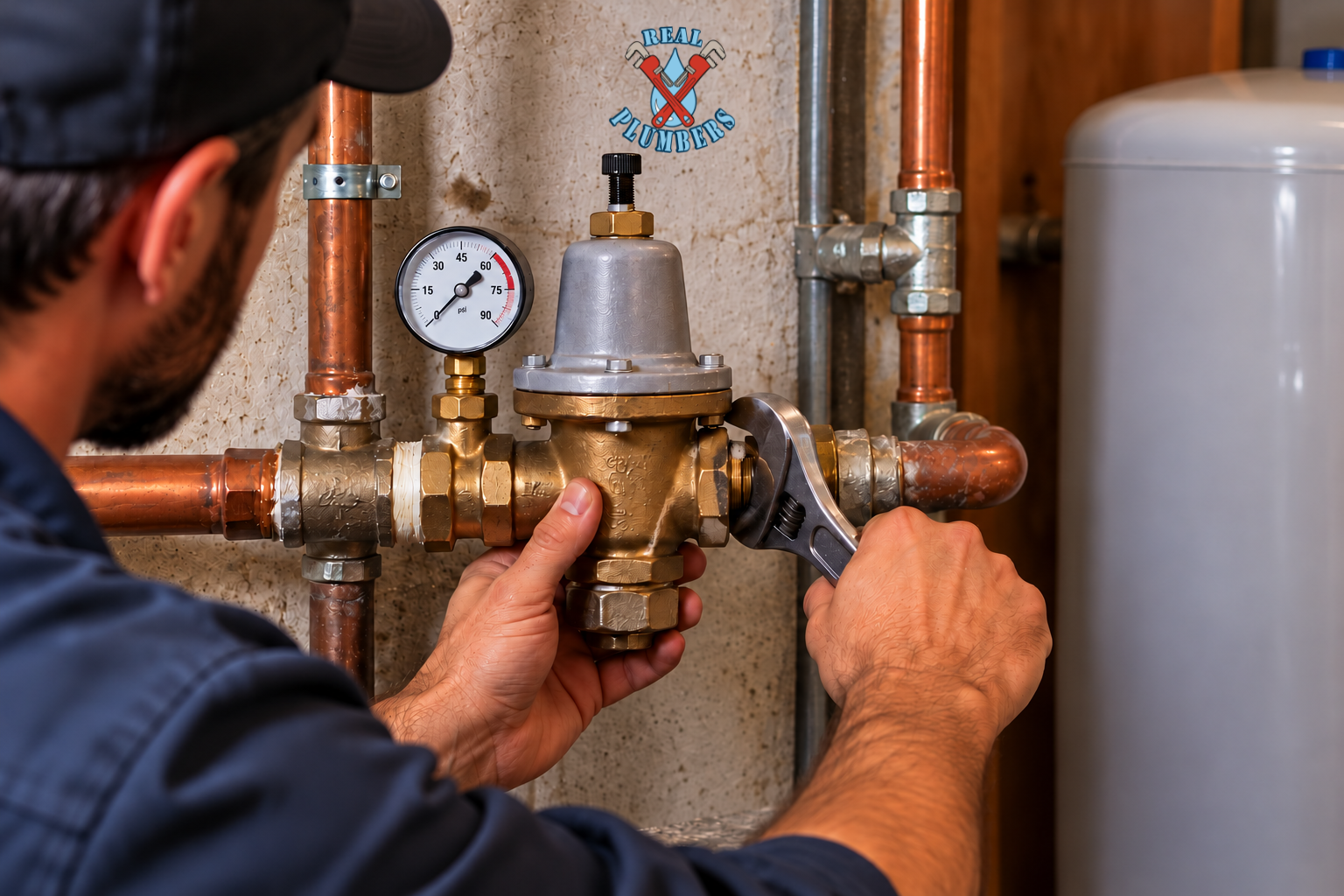
A water pressure regulator is basically a valve that keeps the water coming into your home at a safe and usable level. Without it, water pressure can jump around a lot depending on your neighborhood supply, nearby usage, elevation, and time of day. A good regulator smooths out those highs and lows so your plumbing system gets steady pressure instead of damaging spikes or annoying drops. This stability helps protect your pipes, faucets, toilets, dishwashers, and water heaters.
How it protects your plumbing system
Picture a regulator as a guardrail for your whole home. If the pressure is too high, pipes and fixtures wear out faster, leaks develop more easily, and seals can fail. If it's too low, showers feel weak, and appliances might not work as efficiently. The right pressure helps balance performance and protection, which is why a failing regulator can affect almost every plumbing fixture in your house. If you're already noticing bigger plumbing issues, it might be worth checking out our water leak repair service since pressure problems and hidden leaks often go hand in hand.
Common pressure ranges homeowners should know
Most homes work best with a moderate pressure range, usually around 40 to 60 psi. Anything much lower causes the classic low-pressure gripes homeowners notice daily. Too high, and it stresses the system, shortening the life of fixtures and appliance parts. A professional plumber can test the pressure accurately and figure out if the issue is just with one fixture or if it's coming from the main service line and regulator.
Signs Your Pressure Regulator May Be Failing
Low pressure throughout the home
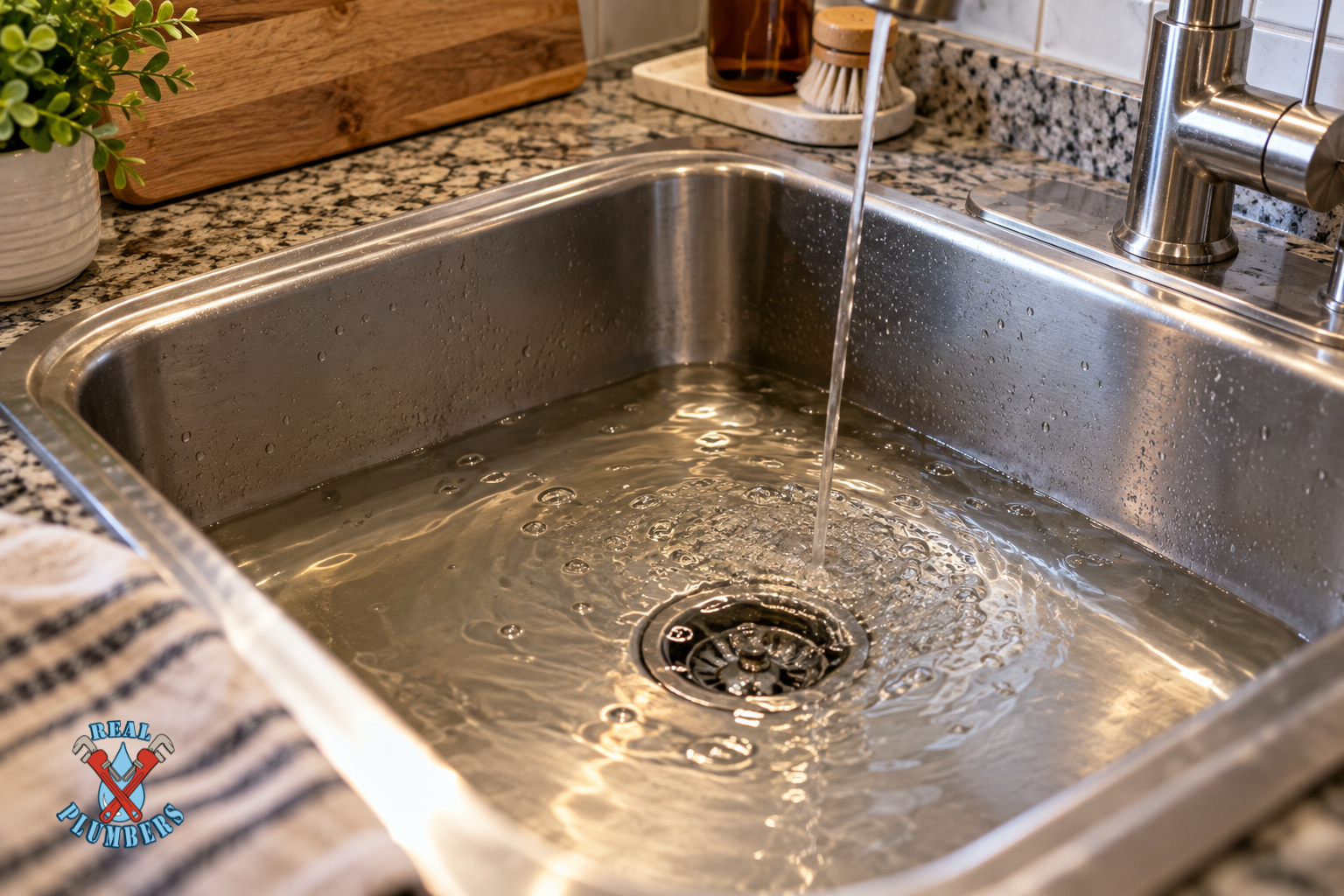
If your shower, kitchen faucet, bathroom sink, and hose bib all feel weaker than they used to, the regulator could be to blame. A single clogged aerator or showerhead only affects one fixture, but a whole-house pressure drop usually means a system-wide issue. Many homeowners notice the change gradually, making it easy to ignore until daily tasks become noticeably slower. To compare symptoms, check out our guide to sudden low water pressure for more details on the common causes.
Pressure that changes suddenly
One telltale sign of a bad regulator is inconsistency. Water might seem fine in the morning but weak later on, or pressure may fluctuate without warning. That kind of instability often means the internal parts like the diaphragm, spring, or valve assembly are wearing out. It can also mean there's debris buildup inside, especially in older plumbing systems where sediment has been accumulating for years. Sometimes, homeowners first notice the issue when a fixture starts sputtering or when hot water seems especially weak.
Noise, banging, or fixture wear
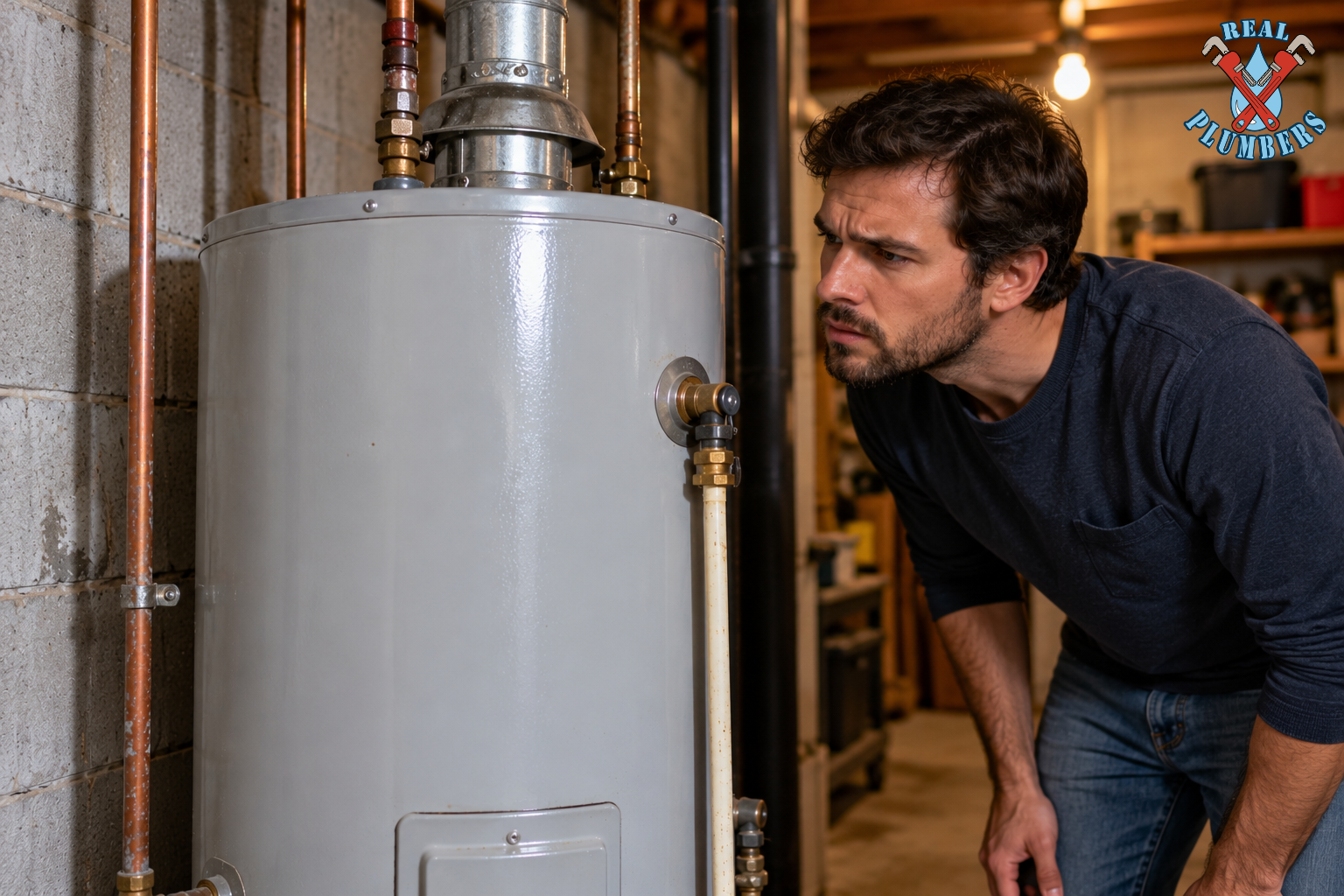
When pressure is too high or erratic, pipes can make banging or vibrating noises, especially when valves close quickly. Faucets might drip sooner than expected, toilet fill valves can wear out faster, and appliance hoses might fail earlier than normal. If you're hearing strange water heater noises too, a separate system issue might be developing, so it's smart to compare symptoms carefully. Our water heater warning signs article can help if the noise seems to be coming from the tank instead of the pipes.
What Causes a Pressure Regulator to Fail
Age and normal wear
Like any mechanical part, a pressure regulator wears out over time. Springs lose tension, diaphragms crack, and internal parts become less responsive. In many homes, the regulator lasts for years before showing any obvious symptoms, which is why the failure can feel sudden even though the decline was gradual. Once the unit can't hold a steady setting anymore, replacement usually becomes the most practical solution.
Mineral buildup and debris
Water naturally carries minerals and small particles that can collect inside the regulator. Over time, this buildup can mess with the movement inside the valve and cause pressure issues. Homes with older plumbing, hard water, or previous line repairs might experience this more often. Sediment problems can also show up in drains and fixtures, which is why if you have one plumbing issue, there's often another. If you're dealing with slow drainage too, our clogged up drains service might help pinpoint related concerns elsewhere in the system.
Incorrect sizing or installation issues
If a regulator was installed incorrectly or picked without proper sizing, it might never work well. If the pressure isn't matched to your home's plumbing demand, the regulator may struggle under normal use. That can lead to fluctuating water flow, premature wear, and recurring complaints even after minor adjustments. A licensed plumber can determine whether the regulator itself is defective or if the problem started with installation, sizing, or a broader supply issue.
How to Tell If Repair or Replacement Is the Better Choice
When repair may be enough
Some regulators can be repaired if the issue is minor, like a worn seal, a small blockage, or a minor adjustment problem. If the unit is relatively new and the internal parts are still in good shape, a targeted repair might restore normal pressure. A professional inspection is the safest way to figure out whether the regulator can be fixed without sacrificing reliability. If the issue is isolated and the rest of the plumbing is in decent condition, repair might be a cost-effective choice.
When replacement makes more sense
Replacement often makes more sense when the regulator is old, corroded, or keeps failing. If pressure issues return after previous service, or if the unit can no longer keep a stable setting, putting in a new regulator usually saves time and money in the long run. This is especially true when pressure issues are already causing visible wear in faucets, toilets, or appliance lines. In those cases, our water pressure replacement service might be the right step for restoring reliable flow.
What a plumber checks during diagnosis
A thorough inspection usually includes measuring incoming pressure, checking fixture performance, examining the regulator for corrosion or age-related wear, and looking for other signs of stress in the plumbing system. The plumber may also test multiple fixtures to see if the issue is isolated or widespread. This type of evaluation helps avoid guesswork and ensures the fix addresses the real cause. If water heater performance is also dropping, a related issue might be affecting the whole system, and our water heater repair service can help rule out another layer of trouble.
Why Ignoring Low Water Pressure Can Cost More Later
Higher repair bills over time
Low pressure is frustrating, but the hidden damage often leads to bigger expenses. A failing regulator can put stress on pipes, cause repeated fixture replacements, and lead to appliance wear. When a system has to work under poor conditions, small parts fail sooner and labor costs add up faster. What seems like a minor pressure complaint today can become a larger plumbing project if the root cause is left in place too long.
Waste, inefficiency, and daily inconvenience
Many folks underestimate how much time low pressure steals from daily life. Longer showers, slower dishwashing, and weaker laundry fills might not sound serious on paper, but they become real hassles over weeks and months. According to the U.S. Geological Survey, residential water use and plumbing efficiency matter because everyday fixtures collectively account for a major share of household consumption. You can read more about water-use basics at USGS household water use. Better pressure management helps keep your plumbing practical and efficient at the same time.
Risk to water heaters and appliances
When water pressure is unstable, water heaters and connected appliances can feel the strain. Valves might cycle improperly, temperature consistency might suffer, and components can wear faster than expected. If your hot water seems weak in addition to overall low pressure, the issue might be broader than just the regulator. This is especially important in older homes where multiple plumbing components are reaching the end of their service life.
What to Expect During a Pressure Regulator Replacement
Initial inspection and pressure testing
The process usually starts with a pressure test to confirm the problem and check if the regulator is the source. A plumber will look at the existing unit, note any visible corrosion, and assess whether the incoming supply and indoor fixtures are also contributing. This early step matters because it prevents replacing a part that isn't actually the main issue. Accurate diagnostics are the foundation of a good repair decision.
Removal of the old regulator
Once replacement is the right choice, the old regulator is carefully removed and the surrounding fittings are inspected. If nearby parts are worn, the plumber might recommend replacing them at the same time to avoid future leaks or pressure instability. The new unit is then installed to match the home's plumbing requirements. Clean workmanship matters here because a poor installation can create the same symptoms all over again.
Testing the new system
After installation, the plumber tests the pressure at multiple fixtures to confirm the regulator is set correctly. This step ensures the home has balanced flow without overpressurizing the plumbing. If needed, final adjustments are made so showers, sinks, and appliances all perform as expected. Once the system is dialed in, homeowners usually notice immediate improvement in daily water use.
How to Prevent Future Pressure Problems
Schedule routine plumbing checks
Regular inspections help catch pressure issues before they disrupt your home. During routine maintenance, a plumber can test the regulator, identify early corrosion, and notice whether other parts of the plumbing system are starting to wear down. Preventive service is especially helpful in older homes, where components often fail gradually rather than all at once. If you want a broader preventive plan, our plumbing upgrade warning signs article explains when a system deserves a closer look.
Watch for hidden leaks and weak fixtures
Low pressure can be caused or worsened by hidden leaks, scale buildup, or fixture damage. If one faucet is weak while others are fine, the problem might be local. If everything is weak, the regulator or main supply line might be involved. Either way, paying attention early can prevent unnecessary waste and bigger repairs later. For homes with multiple plumbing symptoms, it often makes sense to evaluate the whole system instead of chasing one issue at a time.
Protect the rest of your plumbing system
Even after a regulator is replaced, the rest of the plumbing shouldn't be overlooked. Old shutoff valves, corroded supply lines, and damaged fixtures can still create pressure complaints or leaks. Addressing those vulnerabilities early helps the new regulator do its job properly. In homes with frequent drain issues, a larger maintenance conversation might be necessary, especially if buildup is affecting flow in more than one area.
Frequently Asked Questions About Low Water Pressure
How do I know if the regulator is the problem?
If every fixture in the house has weak or inconsistent pressure, the regulator is one of the first parts a plumber will inspect. A pressure test can quickly confirm whether the problem is in the regulator, the supply line, or a specific fixture. Because the symptoms can overlap, professional testing is the most reliable way to avoid unnecessary repairs.
Can low water pressure damage my home?
Yes, indirectly. Low pressure might not seem destructive on its own, but the underlying issue can signal corrosion, leaks, or worn plumbing components. If the regulator is stuck in a bad position or cycling poorly, it can contribute to fixture wear and inefficiency. Addressing the cause early helps protect both comfort and the long-term condition of the plumbing system.
Should I try to adjust the regulator myself?
Some homeowners attempt small adjustments, but that can create new problems if the part is already failing or if pressure changes are not measured correctly. Because the regulator is tied to the overall plumbing system, it is safer to have a licensed plumber test and adjust it. If the unit is old, damaged, or unresponsive, replacement is usually the more reliable solution.
When to Call Real Plumbers
If low pressure has become a daily frustration, it is worth getting a professional opinion before the issue spreads to other parts of the home. Real Plumbers helps homeowners identify whether the regulator needs repair, replacement, or a broader plumbing fix. Our team works with care, clear communication, and practical solutions designed to restore dependable water flow without unnecessary guesswork. If you are also dealing with noisy drains, fixture problems, or a suspicious drop in hot water performance, a full inspection can save time and stress.
For homeowners in Los Angeles who want honest answers and dependable service, Real Plumbers is ready to help. Whether the issue turns out to be the regulator, a worn fixture, or a larger system concern, we will explain the problem clearly and recommend the most sensible next step. Contact us at (323) 821-7922 or email jose@realplumbersinc.com to schedule service. You can also learn more about our work at Real Plumbers. If your problem is tied to a failing pressure device, our water pressure regulator repair and replacement services can help restore your home’s water pressure and peace of mind.