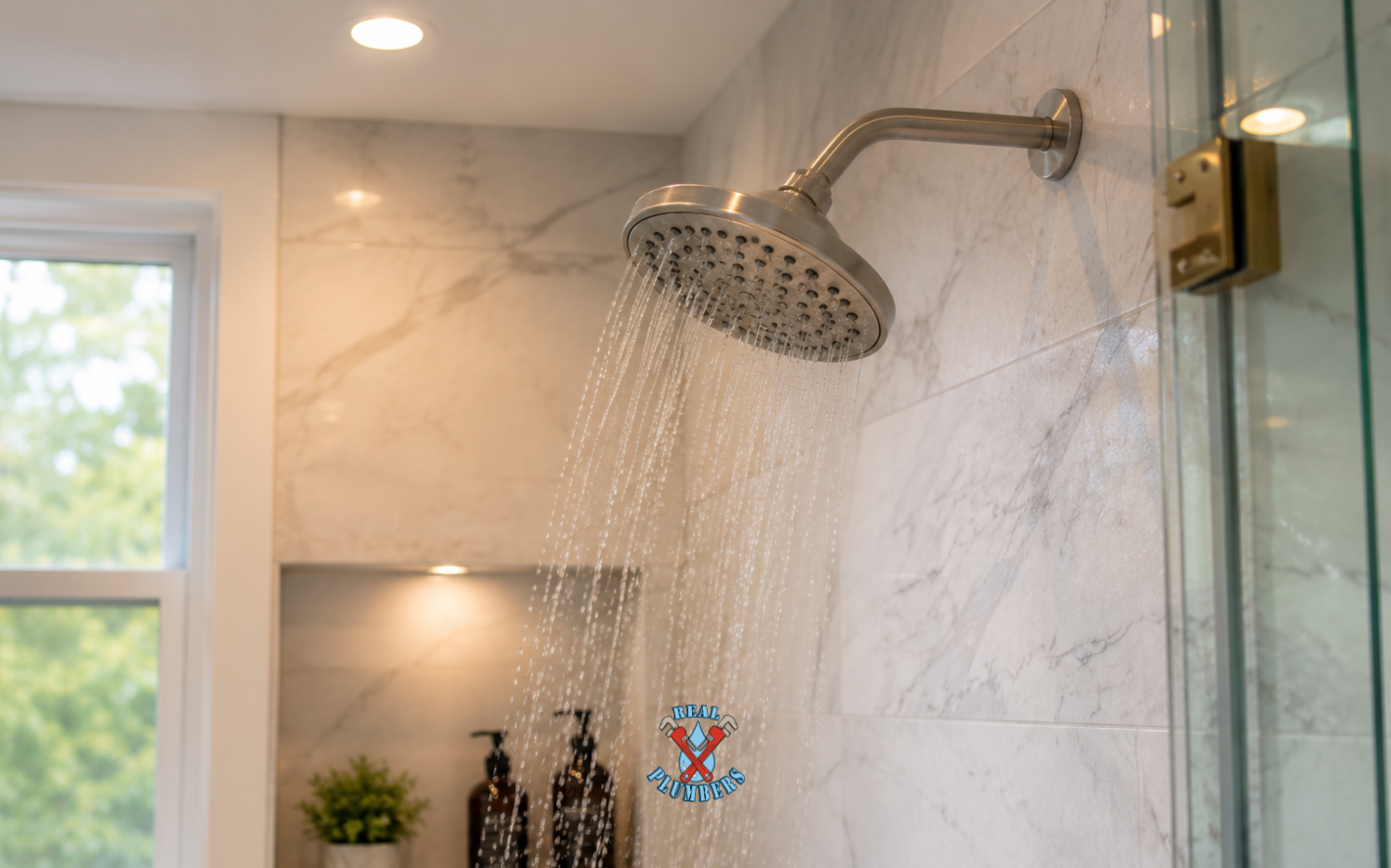
If your shower has gone from refreshing to frustrating, you're not alone. Low shower pressure is a common issue many homeowners face, and it's often due to something fixable in the plumbing system. Sometimes it's just mineral buildup in the showerhead, while other times it might hint at a valve problem, pipe corrosion, water heater issues, or a bigger pressure imbalance at home.
Knowing what low shower pressure means can save you time, money, and stress. It can also help you decide whether you need a quick DIY cleanup or a more advanced plumbing repair, like shower valve repair or water pressure regulator repair. If you're curious about other plumbing warning signs, check out our article on signs your plumbing needs a makeover.
In areas with hard water, low pressure can happen sooner than expected because minerals collect inside fixtures and narrow the flow path. The U.S. Geological Survey points out that water hardness varies a lot by region, and hard water can leave scale in plumbing components over time. For more on hard water, see the USGS explanation of water hardness.
Why Shower Pressure Drops in the First Place
Mineral Buildup Inside the Showerhead
The most common reason for a weak shower is a clogged showerhead. Over time, calcium and other mineral deposits can block the nozzles and reduce the amount of water that gets through. This is especially common in homes with hard water, where even a clean-looking showerhead may be partially blocked from the inside.
When buildup is the issue, the pressure problem is usually gradual. You might notice some spray holes blasting normally while others barely trickle. A simple vinegar soak often restores flow, but if the fixture is older or heavily scaled, replacing it might be more practical than continued cleaning. Sometimes, the clog isn't just in the head but farther back in the fixture. That's when a plumber might need to inspect the line or suggest faucet repair for related low-flow concerns.
Flow Restrictors and Water-Saving Designs
Modern showerheads often include flow restrictors to conserve water. These devices are great for efficiency, but they can make you feel like the pressure is low if the fixture isn't designed well or if the household already has marginal water flow. What feels like "low pressure" may actually be a mix of water-saving design and limited supply from the plumbing system.
The EPA's WaterSense program explains that efficient showerheads are designed to use less water while still providing a good shower experience. Learn more about water-efficient fixtures through the EPA WaterSense program. If your shower suddenly disappoints after a fixture update, the restrictor might be one reason, but it's worth checking the rest of the system before blaming the showerhead alone.
Valves That Are Partially Closed or Failing
Another common cause is a valve that's only partially open. This can happen after plumbing work, maintenance, or a repair that was never fully completed. The main shutoff valve, branch valves, and shower-specific controls all affect flow, so a small adjustment can make a big difference.
When the valve isn't the issue, but the shower still feels weak, the shower mixing valve might be worn, clogged with debris, or failing inside. In that case, the shower might also show temperature swings, inconsistent hot water, or a noticeable delay when switching between hot and cold. That's where targeted shower valve repair can restore both comfort and pressure.
What Low Shower Pressure Can Mean for Your Plumbing System
It May Point to a Water Heater Problem
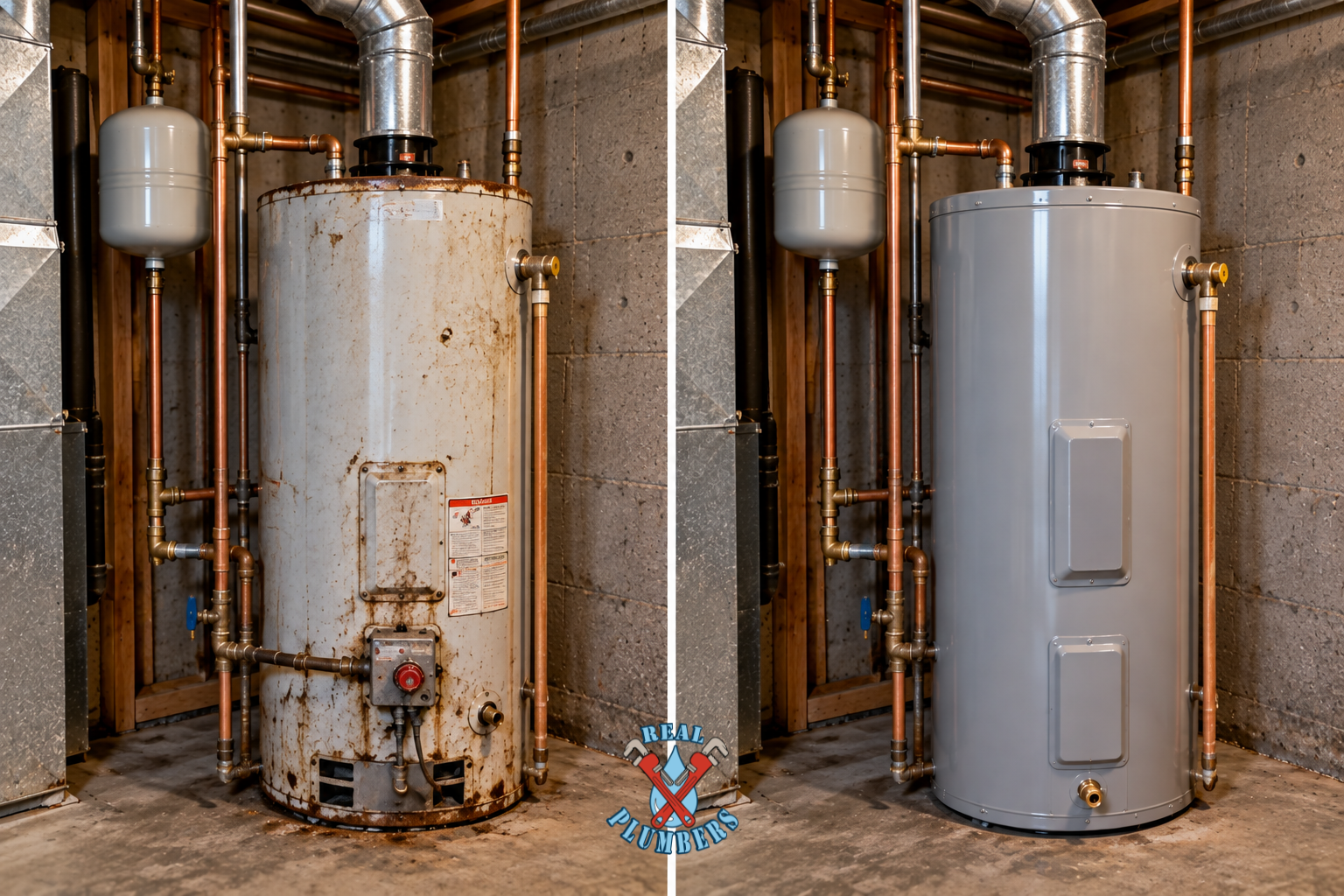
Low shower pressure isn't always a shower fixture issue. Sometimes it's related to the water heater, especially if the pressure drops mostly on the hot side. Sediment can collect in the tank, reducing efficiency and interfering with smooth hot water delivery. In older systems, worn components can also affect circulation and make the shower feel weaker than it should.
Water heater trouble often comes with other clues, like fluctuating temperature, rumbling sounds, or limited hot water capacity. If you've noticed more than just low flow, it might be time to review your system or request water heater repair. In homes with aging equipment, a full water heater replacement might be a better move than repeated temporary fixes.
It Can Signal Hidden Leaks
Leaks reduce available water volume before it ever reaches your showerhead. A leak behind a wall, under a slab, or in an accessible supply line can quietly divert water away from fixtures and lower pressure throughout the home. Because leaks are sometimes subtle, many homeowners don't connect the pressure change with the plumbing issue until the problem becomes more obvious.
Warning signs might include higher water bills, damp spots, musty odors, peeling paint, or the sound of water when no fixture is running. If you suspect this is happening, prompt water leak repair is important because small leaks can become structural problems. The Environmental Protection Agency estimates that household leaks can waste nearly 1 trillion gallons of water annually nationwide. For more context, check out the EPA's leak guidance at Fix a Leak Week.
It May Indicate Broader Pressure Imbalance
Sometimes the shower is only the symptom. If the home has a faulty pressure regulator, aging pipes, or restrictions in several fixtures, the issue might be systemic. In these cases, shower pressure may rise and fall depending on whether other fixtures are running, or it may feel consistently weak across the house.
Homes with old galvanized lines, corrosion, or undersized piping are especially vulnerable. When pipes narrow internally or become rough with buildup, water can't move through them efficiently. If multiple fixtures are affected, a plumber might recommend water pressure replacement or another plumbing upgrade to restore balanced performance throughout the home.
How to Troubleshoot Low Shower Pressure at Home
Start with the Showerhead
The easiest first step is to remove the showerhead and inspect it for mineral buildup. Soak it in white vinegar for several hours, then flush it with water and scrub the nozzles with a soft brush or toothpick. This simple maintenance step solves a surprising number of pressure complaints, especially in hard-water neighborhoods.
If the showerhead is old, cracked, or has a built-in restrictor that can't be removed, replacement might be the best option. Before replacing it, check whether the issue happens only in that fixture or in other bathrooms too. If the pressure is weak everywhere, the problem is likely deeper in the system than the showerhead itself.
Check the Valves and Water Supply
Make sure the main water valve and any fixture shutoffs are fully open. A valve that was only partly reopened after maintenance can easily reduce pressure enough to be noticeable. Also listen for unusual sounds when the shower is on, since hissing, banging, or gurgling can suggest a deeper plumbing issue.
If you're comfortable doing so, inspect accessible plumbing points for leaks or corrosion. However, avoid forcing older valves, because brittle components can break and create a bigger repair. If you're unsure, it's safer to call a licensed plumber who can evaluate the system without causing additional damage.
Compare Hot and Cold Water Performance
One of the most useful diagnostic tests is to compare the hot and cold sides. If only hot water pressure is low, the water heater, hot-side valve, or sediment buildup might be the culprit. If both hot and cold are weak, the issue is more likely in the showerhead, pressure regulator, branch line, or main plumbing supply.
This comparison helps narrow the next step. For example, if the hot side is weak and the water heater is older, the answer might be a repair today and a replacement strategy later. If your hot water system has been noisy, inconsistent, or underperforming, you might want to review our guide to water heater performance before deciding what to do next.
Why Los Angeles Homeowners Notice This Problem So Often
Hard Water and Mineral-Heavy Supply
In many parts of Southern California, hard water makes low shower pressure more common than homeowners expect. Calcium and magnesium in the water gradually accumulate inside showerheads, valves, and narrow pipe sections. Over time, that buildup can reduce flow even if the plumbing is otherwise working fine.
That's why routine maintenance matters so much. Regular cleaning can preserve pressure, extend the life of fixtures, and help you avoid unnecessary replacements. In homes where buildup keeps returning, a water treatment solution might be worth exploring, especially if several fixtures have started to feel sluggish at the same time.
Aging Homes and Mixed Plumbing Materials
Older homes often contain a mix of copper, galvanized steel, brass, and newer replacement components. That combination can create weak points where corrosion, debris, or incompatible fittings reduce flow. Even if the showerhead looks fine, the supply route behind the wall might be constricted.
This is also why homeowners in older neighborhoods sometimes deal with pressure fluctuations that seem to appear out of nowhere. A bathroom remodel, fixture upgrade, or repipe project can expose these hidden limitations. If your home is showing multiple plumbing symptoms, low shower pressure might be part of a bigger conversation about system age and performance.
When to Worry and Call a Plumber
Pressure Drops Suddenly Instead of Gradually
A slow decline often suggests buildup or age, but a sudden drop might indicate an active problem. Sudden pressure loss can happen after a leak, a valve failure, a water heater issue, or a supply interruption. If the shower pressure changes overnight, it's wise to investigate quickly rather than waiting for the issue to spread.
When the change is sudden, also check whether other fixtures are affected. If sinks, tubs, and toilets seem normal, the problem might be isolated to the shower. If the whole home is affected, it might involve the pressure regulator, service line, or municipal supply.
You Notice Discoloration, Noises, or Temperature Swings
Brown water, metallic sediment, banging pipes, or sudden hot-cold fluctuations are all signs that the plumbing system needs attention. These symptoms often indicate corrosion, scaling, pressure problems, or a failing valve. At that point, the issue is no longer just about comfort; it becomes a reliability and safety concern.
Professional diagnosis can save you from replacing the wrong part. A licensed plumber can test pressure, inspect the shower valve, assess fixture flow, and determine whether a targeted repair or system-wide correction is the smarter move. In many cases, a focused service visit resolves the issue much faster than repeated DIY guessing.
Pressure Issues Keep Coming Back
If you clear the showerhead and the pressure improves only temporarily, there's probably an underlying source feeding the problem. Recurring low pressure often means buildup is continuing, the valves are deteriorating, or the pressure regulator is no longer holding steady. The same issue can also return if there's a hidden leak or a partially blocked line.
That's when it helps to think beyond the shower and look at the system as a whole. A plumber might recommend fixture repair, pressure adjustments, leak testing, or pipe replacement, depending on what the inspection reveals. Consistent problems usually have a consistent cause, even if the symptoms seem to come and go.
Repair Options That Restore Better Shower Flow
Cleaning, Descaling, and Fixture Replacement
For many homes, the best first fix is a thorough cleaning of the showerhead and connected parts. This is low-cost, fast, and effective when mineral buildup is the only issue. If the showerhead is old or inefficient, upgrading to a modern model might improve comfort while still meeting water-saving goals.
When the fixture itself is damaged, replacement is often more economical than continued maintenance. New showerheads are available in many styles, including models that balance efficiency and performance. The key is choosing a product that matches your home’s actual water conditions rather than relying on appearance alone.
Valve Repair and Pressure Control Work
If the shower valve is restricting flow, repairing or replacing that component can make a significant difference. A faulty valve can create a weak spray, uneven temperature, and frustrating delays in the shower. Because the valve is central to how water moves through the fixture, addressing it directly can restore both pressure and comfort.
Homes with pressure irregularities elsewhere might also benefit from regulator service. A failing regulator can make some fixtures feel starved for flow while creating stress elsewhere in the system. In those cases, water pressure regulator repair can stabilize the plumbing system and help protect pipes and fixtures from unnecessary wear.
Pipe and System Upgrades
When corrosion or undersized piping is limiting flow, a larger repair might be necessary. Replacing a short, damaged section can help in some situations, but older homes may need more comprehensive work to restore dependable water delivery. Although that sounds more involved, it is often the most durable long-term solution.
This is also the stage where a professional inspection matters most. A plumber can tell whether the system needs a targeted repair, a fixture upgrade, or a broader repiping strategy. That guidance prevents homeowners from spending money on short-term fixes that don't solve the real issue.
Simple Maintenance Habits That Prevent Future Problems
Clean Fixtures on a Regular Schedule
One of the easiest ways to prevent shower pressure loss is to clean the showerhead routinely. In homes with hard water, monthly or quarterly cleaning can keep mineral buildup from becoming a major restriction. Even a few minutes of maintenance can preserve water flow and improve the feel of the shower.
It's also smart to inspect other fixtures at the same time. If the bathroom sink or tub spout is also slowing down, that can be an early warning that your plumbing needs a closer look. When several fixtures start showing signs of reduced flow, the issue might be systemic rather than isolated.
Watch for Early Warning Signs
Don't ignore small changes in shower performance. A slightly weaker stream, longer wait for hot water, or a new sound in the pipes can be the first clue that something is changing inside the system. Catching the problem early usually means simpler and less expensive repairs.
For homeowners who want a more complete picture of their plumbing’s condition, it helps to pay attention to drains, leaks, and hot water performance as well. Our clogged-up drains service and sewer and drain repair offerings address related flow issues that may seem separate but often point to overall plumbing aging or buildup.
Schedule Professional Inspections When Needed
A routine plumbing check can catch issues before they turn into expensive repairs. This is especially important in older homes or properties that already have recurring fixture problems. When a plumber tests pressure, checks valves, and inspects exposed piping, they can identify patterns that are easy to miss on your own.
If your shower pressure has become inconsistent, or if you suspect multiple plumbing systems are starting to fail at the same time, a professional evaluation is the safest next step. In some cases, the solution might be as simple as cleaning or valve adjustment, while in others it might point to a larger repair plan that protects the entire house.
FAQ: Common Questions About Low Shower Pressure
Is Low Shower Pressure Always a Plumbing Emergency?
No, but it shouldn't be ignored for long. If the problem is minor and isolated to one fixture, it's often a maintenance issue. If the pressure drops suddenly, affects multiple fixtures, or comes with leaks or discoloration, it should be checked promptly.
Can a Showerhead Really Cause That Much of a Pressure Problem?
Yes. A clogged showerhead can drastically reduce visible flow, especially in hard-water homes. In many cases, cleaning or replacing the head solves the problem completely. If the issue stays after maintenance, the cause is likely deeper in the plumbing.
Should I Replace My Water Heater If Only the Shower Has Low Pressure?
Not necessarily. First, determine whether the low pressure is only on the hot side or throughout the fixture. If the water heater is also old, noisy, or inconsistent, then repair or replacement might be worth discussing. If you're unsure, it's better to diagnose the system before buying new equipment.
What If My Shower Pressure Is Low Only in One Bathroom?
That usually suggests a fixture-specific issue such as a clogged showerhead, faulty valve, or blocked branch line. If several bathrooms have the same problem, then the issue is more likely related to the main supply, pressure regulator, or pipes.
Conclusion: Don't Ignore a Weak Shower
Low shower pressure might seem like a small annoyance, but it often reveals a real issue somewhere in the plumbing system. The cause might be simple mineral buildup, a partially closed valve, a failing shower valve, a water heater problem, or even hidden leaks and aging pipes. The good news is that most of these issues can be diagnosed and corrected before they turn into larger repairs.
If you've already tried cleaning the showerhead and checking the valves but the pressure still feels weak, it may be time for a professional inspection. Real Plumbers can help identify the cause, explain your options clearly, and recommend the right repair without unnecessary upselling. For trusted local service, visit our plumber in Los Angeles page or contact our team to schedule an evaluation. A stronger, more comfortable shower might be closer than you think.