What Every Homeowner Should Know About Their Plumbing System
Your plumbing system hums along quietly every day, but when it acts up, it can throw your whole house into chaos. From sneaky leaks and low water pressure to water heater hiccups and sewer backups, understanding how your system works can help you catch problems early, keep your home safe, and save money on repairs. If you want to avoid pricey surprises, learning the basics of plumbing maintenance is a smart move.
In Los Angeles, where many homes have older pipes, hard water issues, and the occasional earthquake, knowing a bit about plumbing is even more important. Homeowners who can spot the warning signs and know some maintenance tips are in a much better position to take quick action. Whether you need routine help or something more specialized like water leak repair or sewer and drain repair, understanding your system gives you more control over your home’s comfort and safety.
The U.S. Environmental Protection Agency says being smart about water use can make a big difference in consumption and utility bills, as indoor use accounts for most of the water used at home. For more tips on saving water without losing performance, you can check out the EPA WaterSense program.
How Your Plumbing System Works
The Main Supply Line
Your plumbing system starts with the main water supply line, bringing fresh water into your home under pressure. This water then flows into smaller lines that feed fixtures, appliances, and water heaters. Because everything depends on pressure and flow, even a small blockage or leak can mess up the whole system.
The supply side of your plumbing is all about moving clean water efficiently, but it needs protection. Too much pressure can stress pipes and fittings, while too little can lead to annoyingly weak flow. If you notice pressure imbalances, it might be time to check the system or look into water pressure regulator repair to keep everything balanced.
The Drain and Vent Network
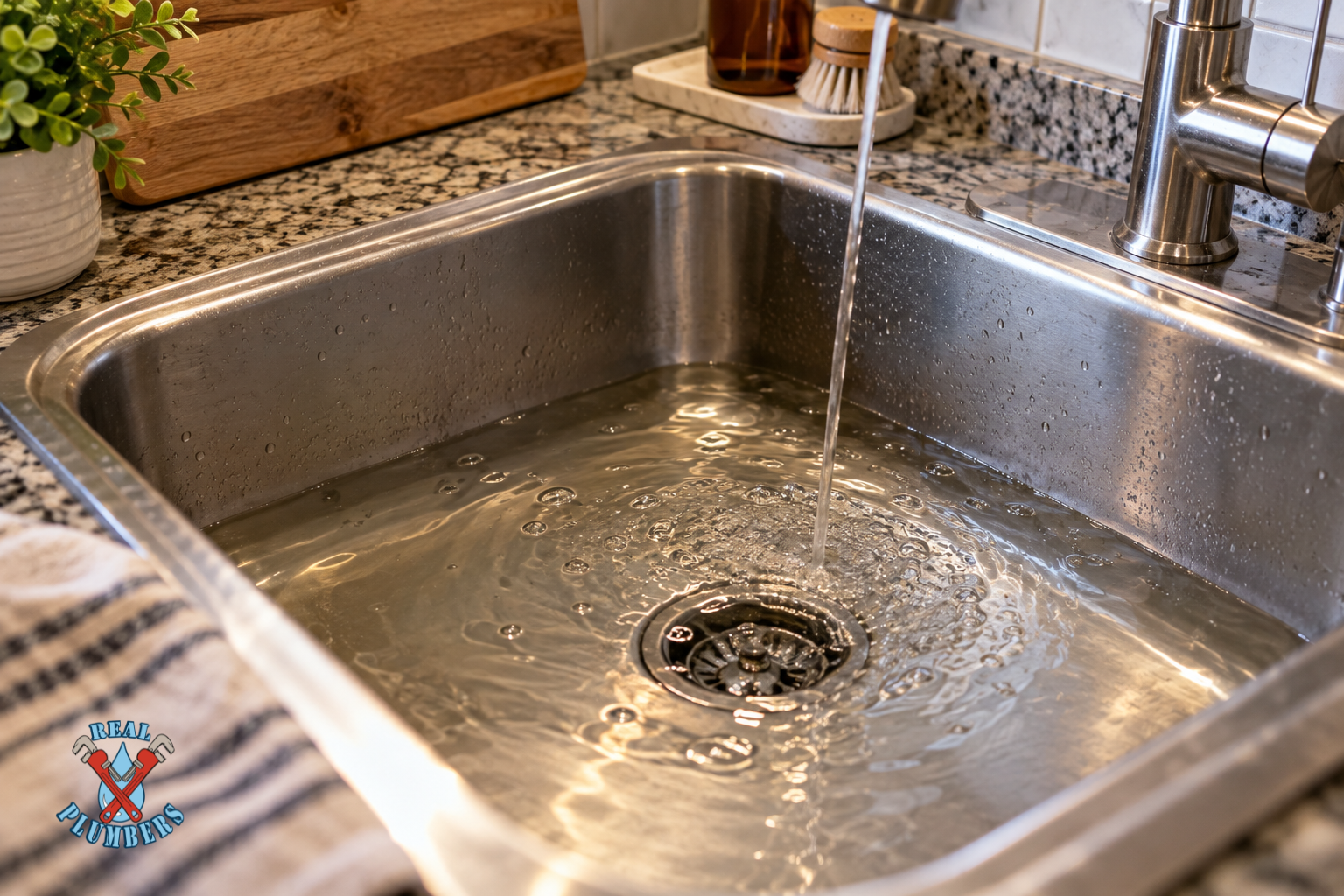
Just as important as the supply side is the drainage system, which gets rid of wastewater from sinks, tubs, toilets, and appliances. Drain lines rely on gravity, while vent pipes let air in so wastewater can move smoothly. If venting is blocked or drains are partly clogged, you might hear gurgling sounds, smell sewer odors, or see slow drainage.
Drain issues are some of the most common plumbing complaints, and they can start small before becoming bigger problems. Regular cleaning and fast attention help prevent backups from spreading in your home. If a clog keeps coming back, professional help with clogged drains can restore proper flow and reduce the risk of recurring damage.
Why Routine Plumbing Maintenance Matters
Prevention is Cheaper Than Repair
Plumbing problems can be pricey because damage often hides behind walls, under floors, or beneath the slab. A small leak might go unnoticed for weeks, slowly boosting your water bill and weakening your home. Regular maintenance helps catch these problems before they turn into emergencies.
Experts suggest routine inspections because early detection can stop costly repairs and extend your system's life. Checking visible pipes, testing shutoff valves, and reviewing water bills for unusual changes can reveal issues before they escalate. In homes with older systems, maintenance is even more valuable because aging parts are more likely to fail.
Maintenance Supports System Efficiency
Well-maintained plumbing works better. Fixtures run more smoothly, water heaters heat more efficiently, and drain lines stay clearer when buildup is addressed early. This means fewer service calls, less water waste, and more consistent comfort for your household.
Water conservation is also a big part of long-term efficiency. Homeowners in California are often encouraged to use low-flow fixtures and adopt smart usage habits because water demand is a major concern. The California State Water Resources Control Board offers resources that align with modern plumbing upgrades.
Signs Your Plumbing Needs Attention
Hidden Leaks and Water Damage
One of the crucial things to learn is how to spot a hidden leak. Common signs include unexpected spikes in your water bill, damp spots on walls or ceilings, musty odors, and the sound of running water when no fixtures are on. These clues often show up long before the leak becomes visible.
Hidden leaks can waste a surprising amount of water and cause major structural damage if ignored. Slab leaks are especially important in Southern California because soil movement and older piping can cause stress under the foundation. If you suspect a slab issue, quick water leak repair can help limit damage and protect the foundation.
Low Water Pressure and Poor Flow
Low pressure is more than a nuisance; it can indicate mineral buildup, pipe corrosion, leaks, or a failing pressure regulator. Sometimes, it may even point to a larger supply issue that needs professional diagnosis. Homeowners often first notice the problem in showers, but it can affect sinks, tubs, and appliances too.
Because Los Angeles has hard water in many neighborhoods, mineral buildup is a common culprit. Scale can build up inside aerators, showerheads, and older pipes, narrowing the passage for water. If flushing fixtures doesn’t solve the problem, professional evaluation is the next smart step. When pressure issues are linked to system components, water pressure replacement may be the right solution to restore performance.
Strange Sounds, Smells, and Slow Drains
Clanging pipes, banging noises, sewer odors, and slow drainage are all signs that your plumbing system needs attention. These symptoms can point to loose pipes, blocked vents, partial sewer line obstructions, or trapped air in the system. While some issues are minor, others can indicate more serious damage.
If multiple drains are slow at the same time, the issue may be more than a simple fixture clog. Backups affecting more than one area of the house can signal a main line problem, which might require specialized service like main sewer rooter service or inspection of the drain network.
Modern Plumbing Trends Homeowners Should Know
Smart Plumbing Systems
Technology is changing how homeowners monitor and manage plumbing. Smart leak detectors, app-based water monitors, and temperature control systems now let residents track usage and respond to issues faster. These tools are especially handy in homes where occupants travel a lot or manage multiple properties.
Smart systems aren't just about convenience; they also support water conservation and damage prevention. The plumbing industry is adopting diagnostic tools that improve accuracy and reduce guesswork during repairs. For homeowners considering system upgrades, these innovations can improve peace of mind while protecting the property from surprises.
Water-Saving Fixtures and Sustainable Materials
Low-flow toilets, efficient showerheads, and modern faucets are becoming more common because they cut down on consumption without sacrificing comfort. These upgrades matter in Los Angeles, where responsible water use is both an environmental and regulatory concern. Better fixtures can also reduce strain on your plumbing system over time.
Another important trend is using durable, eco-friendly materials like PEX piping. PEX is flexible, corrosion-resistant, and easier to install. For homeowners planning long-term improvements, these materials can improve reliability while lowering the risk of future leaks or corrosion-related failures.
Research shows that the average American household uses about 300 gallons of water per day, with nearly 70% happening indoors. That makes plumbing efficiency a real household issue. To keep water use in check, homeowners often pair fixture upgrades with professional recommendations.
Water Heaters, Fixtures, and Daily Comfort
When Your Water Heater is Failing
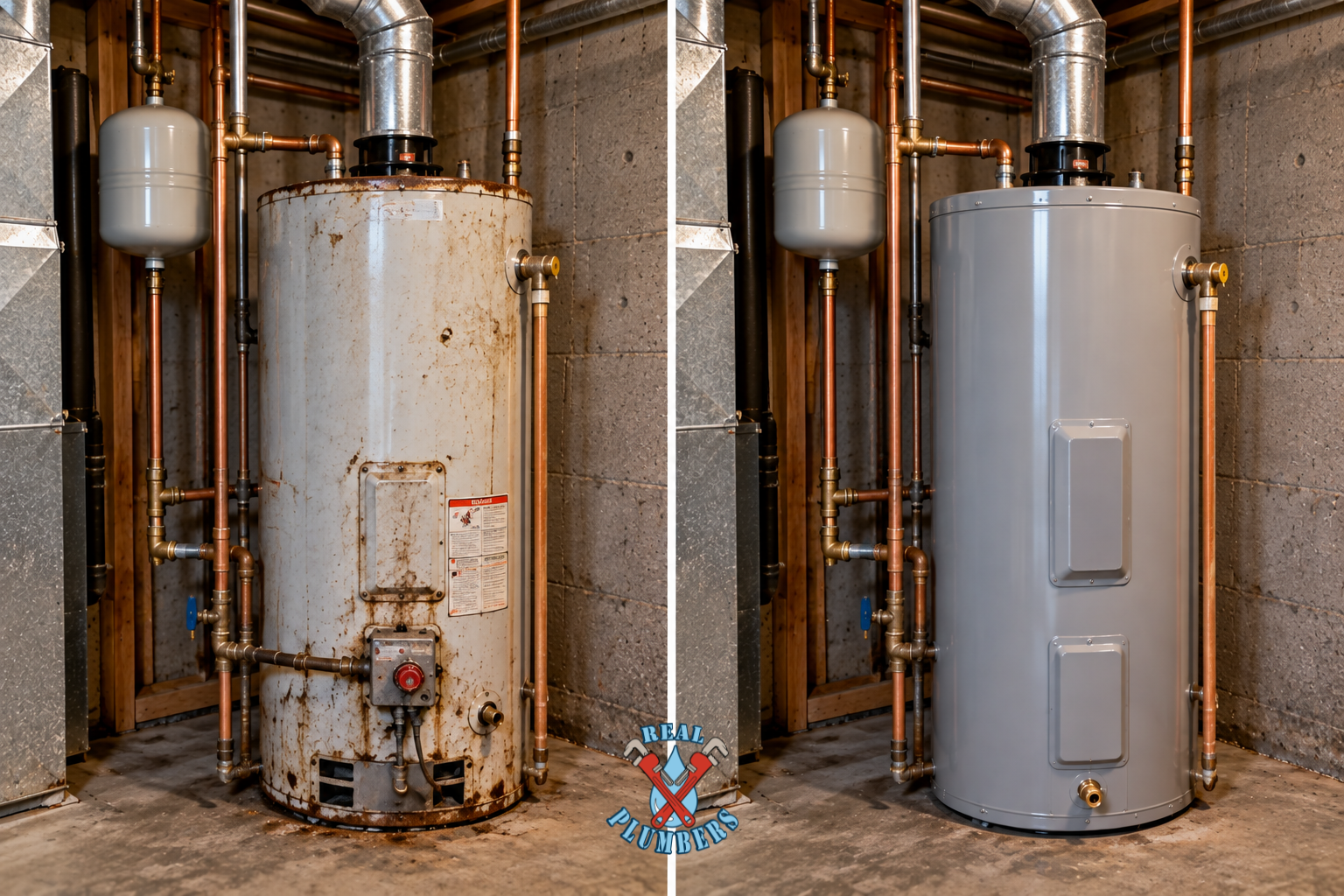
Water heaters are one of the hardest-working appliances in the home, usually lasting about 10 to 15 years depending on the unit and maintenance history. If your hot water runs out too quickly, takes too long to heat, or makes strange noises, sediment buildup or aging components may be to blame. These problems often start subtly before becoming a major inconvenience.
Homeowners should pay attention to rust-colored water, unusual popping sounds, and puddles near the tank. In many cases, repair is possible, but if the unit is nearing the end of its service life, replacement may be more cost-effective. If you’re comparing options, water heater repair can solve many common issues, while water heater replacement may be better for older systems.
Tankless Systems and Smarter Hot Water Use
Tankless water heaters are becoming popular because they provide hot water on demand and often use less space than conventional tanks. They can be a great choice for homeowners who want better efficiency and a modern setup. However, they still need proper installation and periodic maintenance to work well.
If your household wants steady hot water with improved energy performance, a professional upgrade might be worth considering. Tankless water heater installation can be a smart investment for homes that value efficiency.
Fixture Repairs That Protect the Whole System
Small fixture problems can create bigger plumbing headaches than you might think. A dripping faucet or faulty shower valve might seem minor, but those issues waste water, increase wear, and signal deeper mechanical problems. Fixing them early helps preserve overall system health.
A worn faucet cartridge or corroded internal seal can drive up water loss over time. Similarly, a shower valve that struggles to maintain temperature may indicate pressure issues or internal failure. Professional faucet repair and shower valve repair can restore function and prevent unnecessary waste.
Los Angeles Plumbing Challenges Homeowners Face
Aging Pipes and Local Infrastructure
Many Los Angeles homes have plumbing systems that are more than 50 years old, increasing the risk of leaks, corrosion, and low pressure. Older galvanized steel pipes, in particular, can rust from the inside out, reducing water quality and restricting flow. Even if the home looks well maintained, aging infrastructure may be hiding behind the walls.
That is why plumbing upgrades are often more than cosmetic improvements. They are preventive measures that support safety, function, and long-term property value. If your home has recurring leaks, frequent clogs, or rusty water, it may be time to discuss broader system improvements.
Seismic Stress and Slab Movement
Los Angeles homeowners must also consider seismic activity, which can stress underground lines and slab plumbing. Earth movement may shift pipes, loosen connections, or create small fractures leading to hidden leaks. The damage may not be obvious right away, making periodic inspections important.
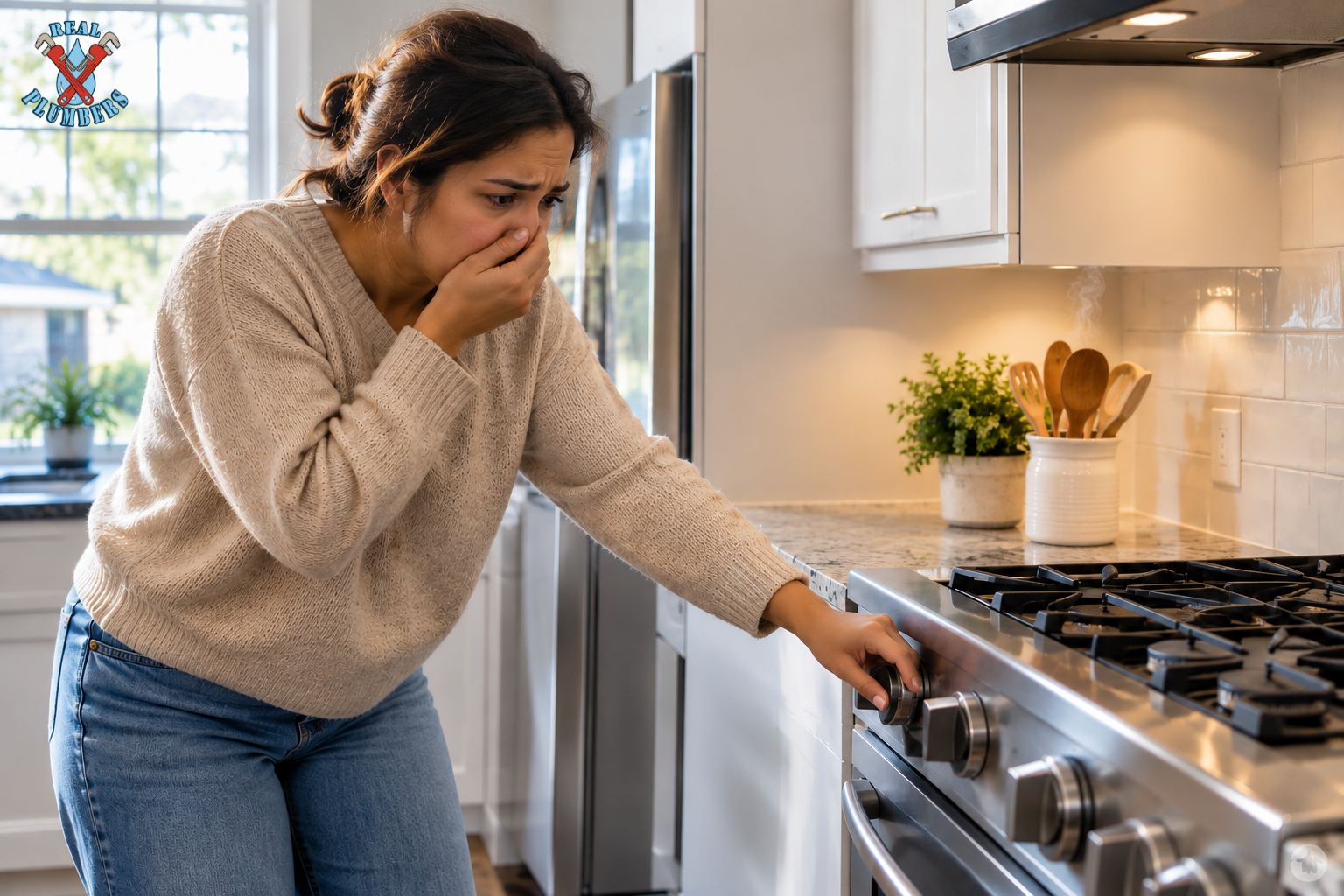
In a region where earthquakes are common, proactive protection can make a significant difference. Homeowners can also consider safety planning like gas earthquake valve installation, which helps protect the property by automatically shutting off gas during seismic movement.
Hard Water and Mineral Buildup
Hard water is common across many parts of Southern California, and over time it can leave scale inside pipes, faucets, appliances, and water heaters. The result may be reduced efficiency, lower flow, and shorter equipment lifespan. This is one of the most overlooked causes of everyday plumbing complaints.
Some households benefit from water softening or targeted maintenance to address mineral buildup before it becomes damaging. By reducing scale, homeowners can improve appliance performance and lower the chance of recurring service calls. The key is to identify the problem early.
Practical Steps Every Homeowner Can Take
Build a Simple Inspection Routine
You don’t need to be a plumber to catch many early warning signs. Once a month, look under sinks, inspect visible pipe joints, check for moisture around toilets, and confirm that drains are flowing normally. These simple habits can uncover problems before they create expensive damage.
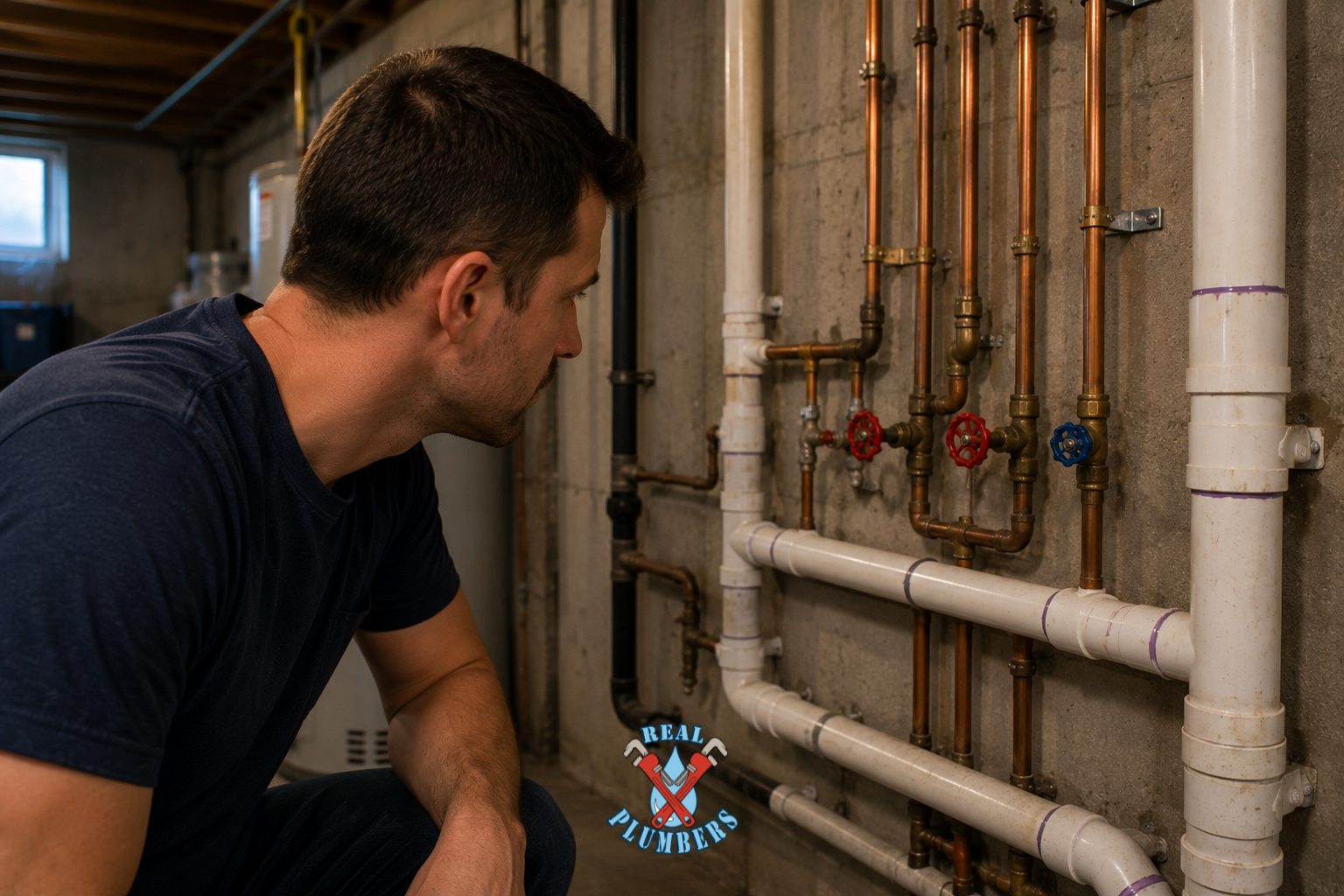
It’s also wise to test shutoff valves and know where the main water shutoff is located. In the event of a leak, quick action can make a major difference. Many homeowners only learn this after an emergency, when time is already lost. Preparing now is better than scrambling later.
Know When to Call a Professional
Some plumbing issues can be resolved with simple cleaning or minor adjustments, but others require professional tools and experience. If a clog keeps returning, a leak can’t be found, or water pressure changes throughout the house, it’s time to bring in a licensed plumber. A skilled professional can diagnose root causes instead of just treating symptoms.
For stubborn drainage issues, specialized service may be needed to inspect the main line and clear deeper blockages. In those cases, sewer and drain repair can restore proper operation and help prevent repeated backups.
Plan Upgrades Before Emergencies Happen
Waiting for a breakdown often leads to higher costs and more disruption. Instead, homeowners should think ahead about the age of their water heater, the condition of visible pipes, and the performance of fixtures. Planned upgrades allow you to budget, compare options, and choose the right solution without panic.
If your home has recurring hot water problems, visible corrosion, or outdated components, a preventive replacement may be the better investment. Modern plumbing technology offers better reliability than many older systems.
Common Questions Homeowners Ask About Plumbing
How Can I Detect a Hidden Leak?
Look for unexplained bill increases, damp spots, peeling paint, warped flooring, or a water meter that moves when all fixtures are off. You can also listen for running water in quiet moments, especially at night. If several signs appear together, professional leak detection is a smart next step.
How Often Should I Service My Water Heater?
Most water heaters benefit from yearly maintenance, including flushing sediment and checking the anode rod, temperature settings, and visible connections. This is especially important in hard-water areas because mineral buildup can shorten equipment life. Routine maintenance can help your unit last longer and perform more consistently.
What Should I Do if My Drains Keep Clogging?
Repeated clogs usually mean there’s a deeper issue in the pipe or drain line. Grease, soap residue, hair, scale, and even root intrusion can all contribute to the problem. If plunging and cleaning don’t solve it, a professional inspection can identify the source and prevent the clog from returning again and again.
Final Thoughts: Stay Ahead of Plumbing Problems
Every homeowner benefits from understanding the basics of their plumbing system. When you know how water enters the home, how drains function, and what warning signs matter most, you can act faster and protect your property more effectively. That knowledge helps you avoid unnecessary damage, reduce waste, and make smarter repair and replacement decisions.
In Los Angeles, where aging pipes, hard water, seismic conditions, and water conservation concerns all influence home plumbing, proactive care is especially important. Regular inspections, timely maintenance, and practical upgrades can keep your system running smoothly for years. If you are noticing leaks, pressure problems, recurring clogs, or water heater trouble, don’t wait for the issue to get worse. Explore the right service, get expert help, and take the next step toward a safer, more efficient home.
For dependable help from a trusted local team, Real Plumbers is ready to assist with repairs, maintenance, and system upgrades tailored to your home’s needs. When you are ready to protect your plumbing and restore peace of mind, reach out and schedule service today.
Call Real Plumbers at (323) 821-7922 or visit https://realplumbersinc.com to get started.