Your plumbing system quietly supports your home, but when it starts to show its age, it's hard to ignore. Issues like recurring leaks, rusty water, weak pressure, and rising utility bills often hint at bigger problems that simple repairs can't fix. Wondering if it's time for a plumbing upgrade? This guide will help you spot common signs, explore upgrade options, and know when to call a professional for an inspection.
If you're looking for a practical next step, consider a professional water leak repair or a detailed plumbing assessment. These can help determine if the problem is isolated or part of a larger system issue. Especially in older homes, these signs build up slowly over time until a major failure makes them unavoidable. Spotting them early is crucial.
The U.S. Environmental Protection Agency’s WaterSense program says that water-efficient fixtures and better plumbing practices can cut household water use without losing performance. That's great for your budget and the planet. In Los Angeles, where conservation counts and infrastructure ages quickly, updating your plumbing can be a smart home improvement.
Why Plumbing Upgrades Matter
Old Plumbing Can Be Costly
Outdated plumbing can cause hidden leaks, slow corrosion, water discoloration, and pressure issues that impact daily comfort. Small issues may seem manageable at first but can damage walls, floors, and even your foundation over time. The longer an old system stays, the pricier the fix becomes.
One major risk is that older pipes can fail in ways that are hard to detect until damage is already happening. Galvanized steel, cast iron, and lead pipes are particularly concerning because they can corrode from the inside out. Many homes, when inspected, reveal problems that aren't visible from the outside.
Efficiency and Safety Reasons to Upgrade
Modern plumbing systems are designed to improve water flow and reduce stress on fixtures. Updating old components can mean better flow, fewer emergencies, and lower bills. That translates to more comfort and fewer surprise repair costs.
Safety is also key. Homes with older pipes might face contamination issues or pressure fluctuations. If your home has outdated pipes, consider talking about water pressure regulator repair and system balancing with a plumber. Managing pressure protects appliances, valves, and pipe joints from wear.
Common Signs You Need a Plumbing Upgrade
Frequent Leaks and Repairs
If you're constantly calling for repairs, your system might not be in good shape. One leak might be bad luck, but multiple leaks across the home suggest a bigger problem. Pipes that keep failing may be corroded, brittle, or not suited for your household's needs.
Repeated repairs get costly over time. Instead of paying for patchwork fixes, many homeowners save more by replacing failing sections or upgrading the entire system. If leaks show up in walls, ceilings, or slabs, a professional water leak repair service can help figure out if the problem is isolated or signals a larger upgrade need.
Discolored Water or Unusual Taste
Brown, yellow, or rusty water can signal pipe corrosion. The water might also taste metallic or smell bad, which makes it hard to trust. While some discoloration could come from temporary maintenance, ongoing issues usually need a closer look.
The Centers for Disease Control and Prevention advises taking drinking water concerns seriously and fixing quality issues promptly. If aging plumbing is the issue, upgrading corroded pipes might be the best long-term fix, especially in older homes with original plumbing materials still in use.
Low Water Pressure
Low pressure can stem from clogs, valve issues, leaks, or pipe buildup. But if it affects several fixtures at once, the cause might be a system-wide issue. Homeowners often notice weak showers or sluggish faucets before realizing the plumbing system is the real issue.
If pressure problems are inconsistent or keep returning, you might need more than a quick fix. Professional water pressure replacement can restore system balance and reduce strain on pipes and fixtures. Sometimes, pressure issues reveal that the existing plumbing wasn't designed for the current household's demand.
Benefits of Modern Plumbing Upgrades
Water-Efficient Fixtures
Modern faucets, showerheads, toilets, and appliances use less water while performing well. Even small leaks or inefficient fixtures can waste a surprising amount over time. For example, a leaky faucet can waste up to 3,000 gallons of water annually, making timely upgrades and repairs worthwhile.
If your fixtures are older, fixing one faucet might solve a problem, but a broader fixture upgrade can lead to bigger savings. Water conservation is especially important in California, where efficiency standards influence homeowner choices.
Smart Plumbing Technology
Smart plumbing is a practical industry development. Leak detection systems, smart water heaters, and monitoring tools can alert you to problems before they become emergencies. These systems are especially helpful for homeowners who travel often or want more control over water use.
In larger homes or multi-unit properties, smart systems can catch abnormal patterns early. That means you might catch a slow leak behind a wall or a failing valve before it affects the whole property.
Better Materials Last Longer
An important trend in plumbing is the shift to durable, flexible, and corrosion-resistant materials like PEX piping. PEX handles pressure changes well, resists scale buildup, and is often easier to install in retrofit projects. In earthquake-prone areas, its flexibility is a bonus.
For homes with older pipes, material upgrades can make a big difference. They also reduce the need for future maintenance, especially in homes with repeated leaks or pipe deterioration.
When Home Age and Materials Matter
Older Homes Need Attention
In the U.S., about 10% of homes have plumbing systems over 50 years old, and age alone increases plumbing problems. Older homes might still have pipes built under outdated standards or with obsolete materials. Even if the home looks well maintained, the plumbing might tell a different story.
This is crucial for older neighborhoods with original infrastructure. If your home hasn't had a major plumbing update, it might be time for a comprehensive inspection.
Galvanized Steel and Lead Pipes
Some pipe materials aren't ideal for long-term use. Galvanized steel often corrodes from the inside, restricting flow and discoloring water. Lead pipes are even more concerning due to health risks and should be replaced quickly.
If your home has these materials, replacing them with modern alternatives isn't just a comfort upgrade; it's a safety improvement. Upgrading old plumbing can improve water pressure, reduce contamination risk, and support more reliable fixtures.
Local Conditions in Los Angeles
Homes in seismic regions face extra stress from shifting ground and repeated movement. Flexible piping like PEX can be a strong choice, as it's suited to absorb motion better than rigid lines. In a city where earthquake readiness matters, plumbing should be part of the home safety conversation.
Los Angeles homeowners also need to consider water conservation and long-term efficiency. Modern plumbing upgrades can support both. If you're considering a remodel, it might be the perfect time to add features like gas earthquake valve installation and updated piping.
How Inspections Help
Annual Inspections Catch Issues Early
Annual plumbing inspections are recommended because many serious problems start small. A trained plumber can check for corrosion, pressure irregularities, aging fittings, and subtle leaks that homeowners might miss.
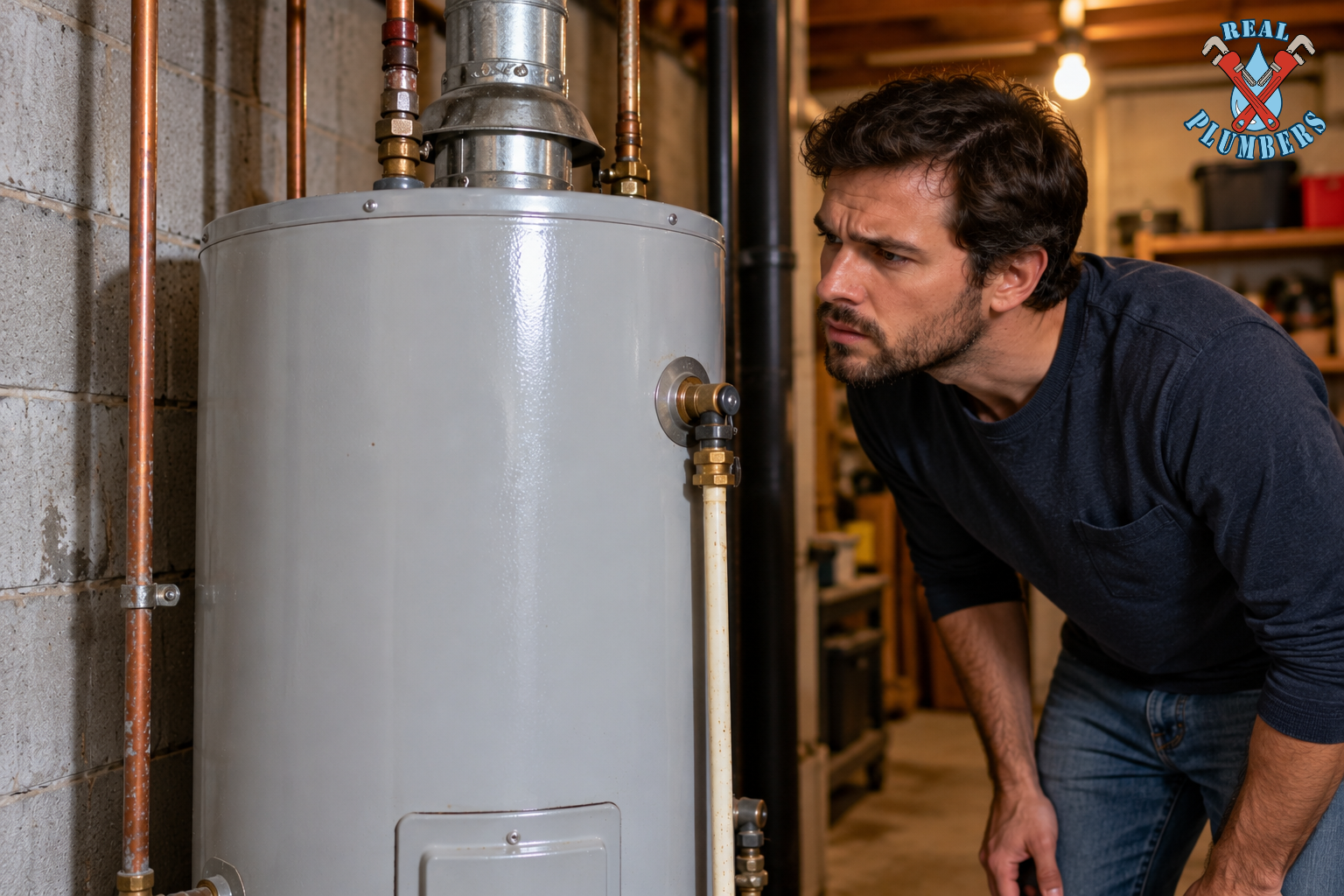
During an inspection, plumbers may also evaluate your water heater, shut-off valves, and exposed piping. If the water heater struggles to keep up or shows signs of failure, a technician might recommend water heater repair or a more permanent replacement.
Pressure Testing and Visual Inspection
A professional inspection often includes checking fixture performance, identifying hidden leaks, and measuring pressure. These details can reveal whether the plumbing is healthy or under stress. In some cases, minor symptoms hint at more serious issues inside walls or under slabs.
Inspections are especially valuable in homes with recurring drainage trouble. If you have slow sinks or frequent backups, a sewer and drain repair evaluation can uncover whether it's a simple blockage or aging drainage lines that need attention.
Video Inspections for Hidden Problems
For drains and sewer lines, video inspection simplifies decision-making. It lets plumbers see corrosion, roots, cracks, or buildup inside pipes without guessing. This saves time and helps homeowners understand recurring issues.
If your main line causes widespread drainage issues, a main sewer rooter service might clear the blockage temporarily, but inspection might reveal that a larger upgrade or line replacement is needed.
Real-World Success Stories
A Los Angeles Historic Home
Historic homes can look beautifully maintained but have aging plumbing behind walls. A 1920s Los Angeles home had repeated leaks and weak shower flow. After inspection, the owner replaced old lines with PEX piping, resulting in better water pressure, fewer repair calls, and lower maintenance costs.
This kind of upgrade often makes sense when plumbing is past its expected life. Instead of fixing weak points, homeowners gain a reliable system that supports the home for years.
An Apartment Building's Success
An aging apartment complex in San Francisco replaced galvanized steel pipes after years of tenant complaints about pressure and water quality. The upgrade led to fewer service calls, improved tenant satisfaction, and fewer recurring water issues.
Multi-unit properties are especially sensitive to plumbing problems because one failure can affect many residents at once. If you manage a building and notice repeated service requests, it might be worth reviewing the condition of the piping, fixtures, and pressure controls.
Smart Upgrades for Busy Households
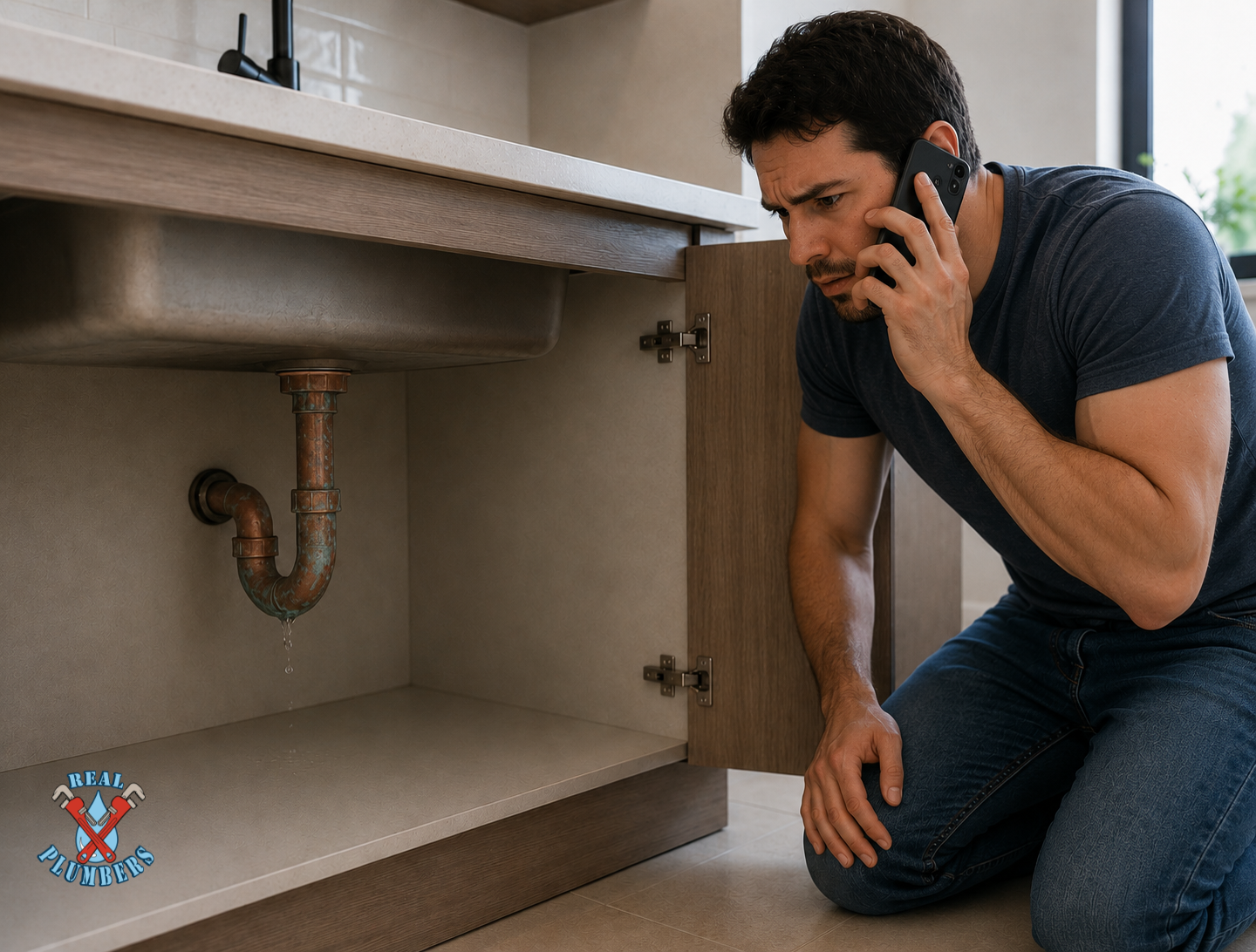
Busy families often benefit from smart leak detection and modern water heater controls because these tools catch issues early. A small leak under a sink can cause major damage if unnoticed. Smart systems add protection that older homes never had.
For hot water concerns, many homeowners explore tank-style to tankless conversions. If you're evaluating hot water performance as part of a larger upgrade plan, see our tankless water heater installation options or review tankless water heater replacement when an existing unit is no longer reliable.
DIY or Hire a Pro?
DIY-Friendly Tasks
Not every plumbing issue needs professional help. Replacing an aerator, tightening a fitting, or clearing a clog might be manageable for a handy homeowner. Basic maintenance can help control small issues and extend component life.
However, DIY has limits. Hidden leaks, pipe replacement, pressure balancing, or anything involving gas or sewer lines should be left to professionals.
Major Upgrades Need Pros
Large-scale plumbing work must comply with local codes and safety requirements. That includes pipe replacement, pressure regulation, fixture modernization, and water heater work. A licensed plumber ensures the installation is done correctly and lasts.
If your system experiences noise, vibration, or irregular pressure, a professional can identify whether the problem is the pipes or a related component like a valve. For example, a faulty shower control might need shower valve repair rather than a system replacement.
Professional Service Protects Home Value
Proper plumbing upgrades can improve resale value, reduce emergency calls, and support healthier water quality. More importantly, they protect the structure from damage that might stay hidden for months or years.
If you're unsure whether you need repair or a full upgrade, a professional inspection can clarify your next steps. From leak repair and pressure balancing to water heater service and pipe replacement, a professional inspection provides clarity for the right decision.
When to Call a Plumber
Multiple Issues Stacking Up
If you have issues like leaks, low pressure, rusty water, and recurring drain problems, your plumbing might need more than a quick fix. Stacking symptoms often mean the system is aging as a whole. It's time for a professional evaluation.
If your kitchen sink, shower, or disposal is a repeated problem, targeted service might be the first step. You may benefit from clogged drain, kitchen sink clog, or garbage disposal repair if symptoms are localized. However, recurring issues across fixtures suggest a broader plumbing upgrade is overdue.
Overlapping Pressure, Leaks, and Hot Water Trouble
Systems struggling in several areas often need coordinated solutions—pipe replacement, pressure regulation, fixture upgrades, and water heater service. Addressing each issue separately can leave the underlying problem unresolved.
A complete assessment is useful. A trusted plumber can help you understand which parts can be repaired and which need replacing for long-term reliability.
FAQs About Plumbing Upgrades
How Do I Know If My Pipes Need Replacing?
Look for repeated leaks, low water pressure, rust-colored water, visible corrosion, and frequent repairs. If multiple symptoms occur together, the piping itself might be the problem. An inspection is the best way to confirm it.
Is Upgrading My Plumbing Expensive?
Costs vary based on home size, materials, and how much of the system needs replacing. While an upgrade feels costly, it often reduces future repairs, lowers water waste, and improves reliability. Long-term, it can be more affordable than repeated emergency calls.
Which Plumbing Upgrades Offer the Best Return?
Water-efficient fixtures, pressure regulation, corrosion-resistant piping, and smart leak detection provide strong practical value. For hot water issues, water heater improvements can be worthwhile. The right combination depends on your system's condition and household needs.
What Should I Do If I Suspect Hidden Damage?
If you notice damp walls, ceiling stains, musty odors, or unexplained water bill increases, schedule an inspection promptly. Hidden plumbing damage can worsen quickly and may affect structural materials. Early identification controls repair costs.
Take Action Before Small Problems Grow
Upgrading your plumbing isn't just about convenience. It's about protecting your home, conserving water, improving safety, and reducing future damage risk. When leaks, pressure problems, discolored water, or aging pipes appear, those signs need attention. Acting early gives you more options.
If you're unsure about needing a repair or full upgrade, Real Plumbers can help you evaluate your system's condition and recommend the most practical path. From leak repair and pressure balancing to water heater service and pipe replacement, a professional inspection provides clarity for the right decision. For expert help, explore our services or contact our team today.
Take the next step now and protect your home with a plumbing system that's efficient, reliable, and ready for the future.