Spotting Drain and Sewer Line Problems Made Easy: A Los Angeles Guide
When your drain acts up, it's tempting to brush it off as a small issue. But if you're noticing slow drains, unpleasant smells, or backups across multiple fixtures, it could mean something more serious is happening with your main sewer line. Catching these early signs can save you from costly repairs and potential health issues, especially if you're in an older home or busy commercial property. If several drains are giving you trouble, professional sewer and drain repair might be the quickest fix to prevent the situation from escalating.
Nowadays, modern plumbing tools make it much simpler to pinpoint sewer problems without unnecessary digging. Techniques like high-definition video inspections, hydro-jetting, and trenchless repair methods let plumbers spot issues like root intrusions, corrosion, and collapsed sections with less hassle than before. As the U.S. Environmental Protection Agency points out, sewer overflows can lead to serious health and environmental problems, making it crucial to detect issues early. A quick response can often mean the difference between a simple repair and a major plumbing crisis.
This guide will help you recognize if you have a drain or sewer line problem, understand what causes these issues, learn how professionals diagnose them, and discover maintenance habits to prevent future troubles. Whether it's a pesky kitchen sink, a backed-up shower, or a whole-house drainage problem, knowing the signs can help you make smarter decisions on what to do next.
Common Signs You May Have a Drain or Sewer Line Problem
Multiple Slow Drains at Once
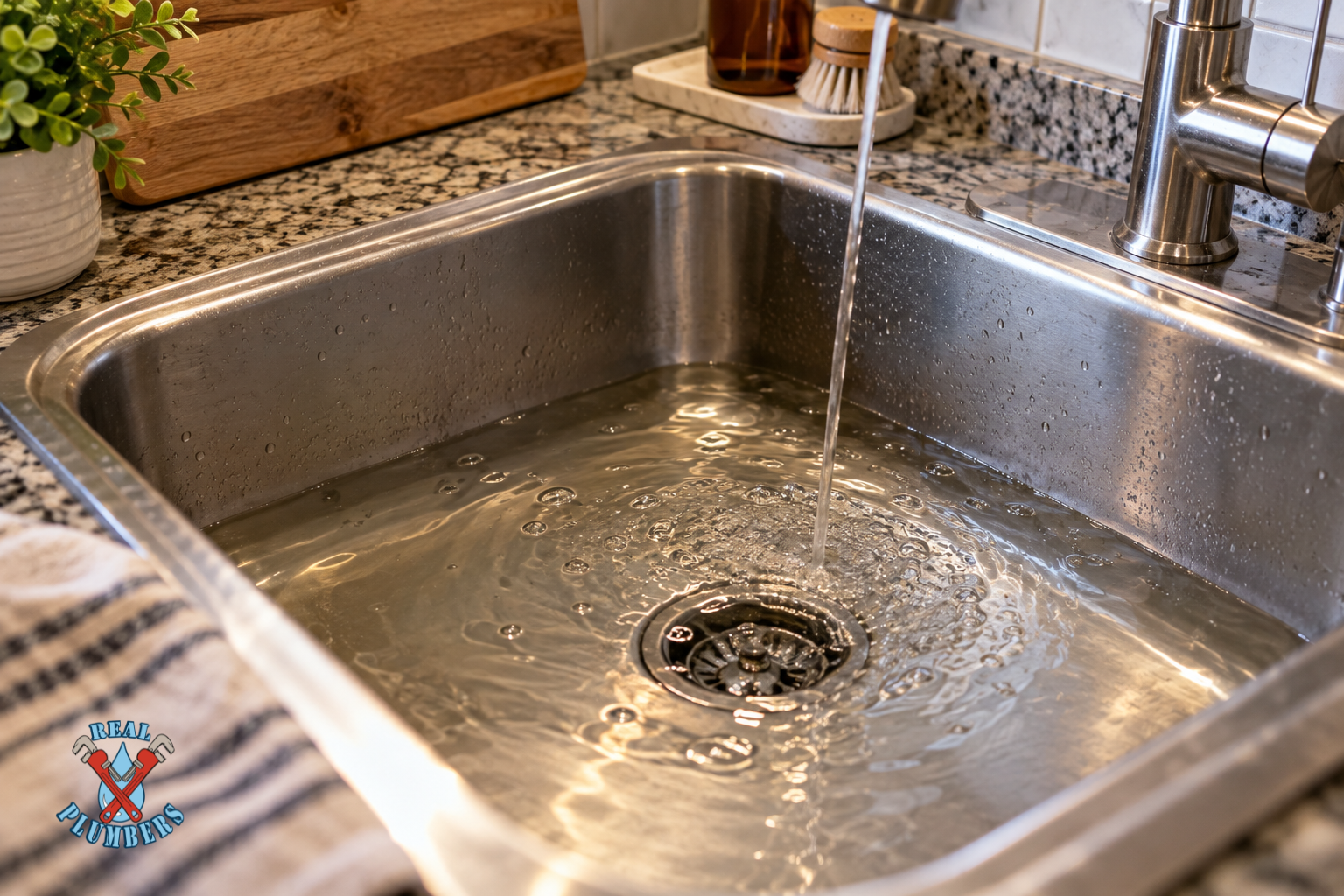
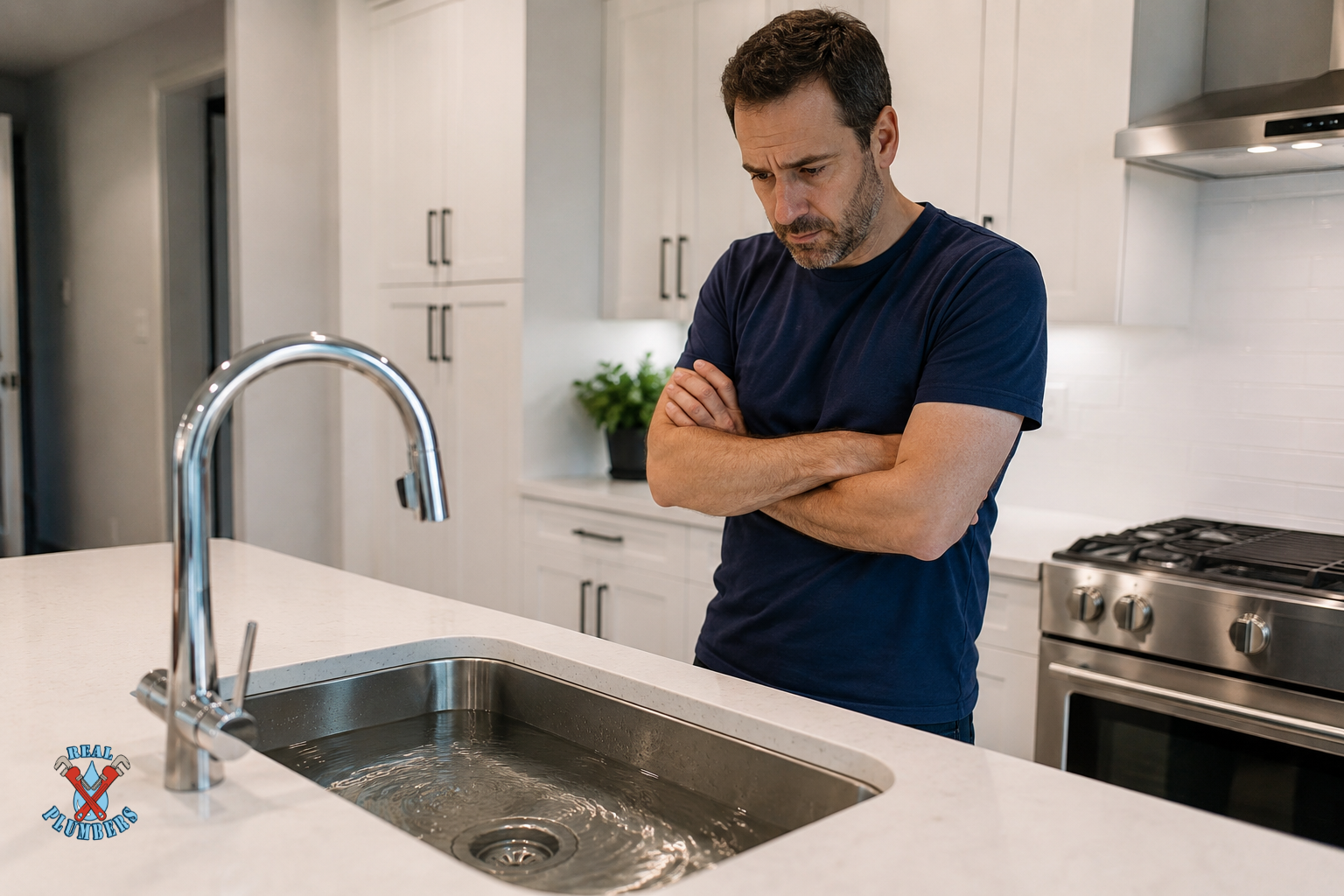
One of the best indicators of a sewer line issue is when multiple drains are slow simultaneously. If just one sink's clogged, it might just be a local blockage, but when your toilet, shower, and tub all slow down, it likely means the problem is deeper. This is especially true if water backs up in one fixture when another is used.
People often notice this first in the bathroom or kitchen. If you're dealing with stubborn buildup in one fixture, a focused clogged-up drains service can help figure out if the problem is isolated or connected to the main line. If slow drainage keeps happening, it's worth checking out sooner rather than later.
Gurgling Sounds and Air Bubbles
Gurgling sounds in your drains happen when air is forced through water in the pipes. This sound can occur because of pressure changes from a clog in the plumbing system. You might hear it in the toilet after running the sink or in the shower after flushing, suggesting the line isn't venting or flowing properly.
These noises might seem harmless, but they're a good clue. When multiple fixtures make strange sounds, a plumber might need to inspect the main line to check for a blockage, partial collapse, or venting issue. Ideally, water should flow quietly and consistently.
Sewage Odors Around Drains or the Yard
Bad smells are another major warning sign. A sewer gas smell near drains, in the bathroom, or around your property can mean wastewater isn't moving properly. Sometimes the odor comes from a dry trap, but persistent sewer smells can also indicate a cracked pipe, vent issue, or backup.
Sewer gas contains harmful compounds, so it should never be ignored. While the smell itself doesn't pinpoint the exact problem, it does show that something in the drainage system needs attention. If odors come with slow drains or backups, it's even more likely the issue is in the sewer line rather than just a fixture clog.
What Causes Sewer Line Problems in the First Place?
Tree Root Intrusion
Tree roots are a common cause of sewer line blockages. Roots naturally seek moisture, and even a small crack or loose joint in a pipe can attract them. Once inside, roots can expand and trap paper, grease, and debris, eventually slowing or stopping flow completely.
This is especially common in older neighborhoods with mature landscaping. Root intrusion often develops slowly, so it can go unnoticed until the line is badly blocked. Regular inspections and preventive maintenance can make a huge difference, especially if your property has large trees near the sewer path.
Pipe Corrosion and Age-Related Deterioration
Older sewer lines can corrode, crack, or weaken over time. Materials like cast iron and older concrete can break down after years of exposure to moisture, soil movement, and waste flow. Research in an academic study on sewer pipe deterioration discovered that concrete pipes carrying mixed waste content experienced severe surface damage faster than pipes carrying rainwater, highlighting the importance of material selection and maintenance.
This matters for property owners because it shows why some systems fail sooner than expected. If your home is decades old and you've never had a sewer inspection, the pipes might be nearing the point where small issues become expensive failures. Corrosion can also create rough pipe walls that catch grease and debris, making blockages more likely.
Bellied Pipes and Soil Movement
A bellied pipe has a section that sinks below the proper slope, allowing waste and water to collect instead of flowing away. Over time, that standing debris creates recurring clogs and drainage problems. Soil settlement, poor installation, and shifting ground can all contribute to this type of damage.
Bellied pipes are tough to diagnose without the right equipment because the issue is underground and often hidden. However, recurring blockages in the same drain, even after cleaning, can be a clue. A camera inspection is often the best way to confirm this kind of defect.
How Professionals Diagnose Drain and Sewer Line Issues
Video Camera Inspection
Video inspection is one of the most valuable diagnostic tools available today. A small waterproof camera is inserted into the line so the plumber can see blockages, cracks, offsets, corrosion, and root intrusion in real-time. This allows precise identification of the problem without unnecessary digging.
For property owners, camera inspection saves time and often saves money, too. Instead of guessing which pipe is causing the issue, the plumber can locate the exact obstruction and recommend the right solution. It's a major reason why many modern service calls start with diagnostics before any repair work begins.
Hydro-Jetting for Stubborn Buildup
Hydro-jetting uses high-pressure water to clear grease, sludge, scale, and even some root growth from pipes. It's especially useful when traditional snaking removes only part of the blockage or when buildup has narrowed the line over time. In the right situation, hydro-jetting can restore strong flow and help prevent future clogs.
Not every pipe is a candidate for hydro-jetting, which is why a camera inspection usually comes first. If the pipe is severely damaged or already fragile, a plumber may recommend a different repair strategy. Used correctly, though, hydro-jetting is one of the most effective ways to address heavy internal buildup.
Trenchless Sewer Repair
Trenchless repair has become a popular option for many homeowners and businesses because it reduces landscape damage and shortens project timelines. Instead of digging a long trench, a plumber can often repair or replace damaged sections using methods like pipe lining or pipe bursting. This is especially valuable in properties with landscaping, driveways, or hardscape that would otherwise be costly to remove.
For severe sewer line damage, a trenchless approach can be a practical long-term solution. If you want to understand whether this is the right option for your property, talk with a specialist about the main sewer rooter service and whether the line can be cleaned before deciding on repair or replacement. In many cases, cleaning and diagnostics reveal whether trenchless work is truly necessary.
Maintenance Habits That Help Prevent Sewer Problems
Dispose of Waste the Right Way
What goes down your drains impacts how long your plumbing lasts. Grease, coffee grounds, hair, wipes, and other non-biodegradable items are common contributors to clogs. Even products marketed as flushable can create problems in sewer systems because they don't break down quickly enough.
The easiest prevention strategy is consistent habits. Keep grease out of kitchen drains, use strainers in showers and sinks, and teach everyone in the household what should never be flushed. If your kitchen is already draining slowly, you may need a closer look at kitchen sink clog service before the blockage spreads deeper into the line.
Schedule Routine Inspections
Routine inspections are one of the smartest ways to avoid emergency sewer repairs. A professional can spot early signs of root intrusion, corrosion, and bellied pipes before they become major failures. This is especially important for older properties, buildings with large trees nearby, and commercial spaces that use heavy plumbing throughout the day.
Preventive maintenance is usually far less expensive than waiting for a full backup. If you notice recurring slow drains or strange odors, it might be time to schedule a detailed plumbing evaluation. A plumber can determine whether the issue is inside the home or in the main line.
Use Root Control and Proper Materials
Preventive solutions can help extend the life of sewer lines. Root barriers may reduce the chance that nearby trees invade the system, while corrosion-resistant pipe materials can improve long-term durability during replacement or major repairs. These choices are especially relevant in older neighborhoods with aging infrastructure.
If you're planning a renovation or line replacement, material choice matters more than many homeowners realize. A more durable line can reduce maintenance costs and prevent repeated failures. In a city with older plumbing systems and active landscaping, this kind of planning can pay off quickly.
Why Sewer Line Problems Are a Bigger Deal Than a Single Clog
Health and Sanitation Risks
A simple sink clog is annoying, but a sewer line backup can create health risks and property damage. Wastewater may contain bacteria and other contaminants that should never enter living spaces. If sewage backs up into a tub, toilet, or floor drain, the affected area needs immediate attention and proper cleaning.
The EPA notes that sewer overflows can threaten public health and water quality, which is why a sewer backup should be treated as urgent. Even if the water appears to drain again later, the underlying issue may still be present. A temporary improvement doesn't always mean the line is safe.
Structural Damage and Costly Repairs
When sewer water escapes into walls, flooring, or soil, the damage can spread quickly. Moisture can weaken materials, stain surfaces, and create conditions for mold growth. The longer the problem remains unresolved, the more expensive the cleanup and repair process can become.
That's why early warning signs matter so much. If one fixture is repeatedly backing up or your whole home drains slowly after heavy use, the problem may already be beyond a simple plunge or household cleaner. In those cases, professional troubleshooting protects both the plumbing system and the property itself.
Business Interruption and Compliance Concerns
For commercial properties, sewer issues can interrupt operations, affect customer satisfaction, and create code compliance concerns. Restaurants, offices, retail spaces, and rental properties all depend on functional drainage. A line failure can force closures, disrupt tenants, or lead to emergency service calls during peak hours.
Commercial property owners should especially prioritize maintenance because damage often spreads faster in high-use systems. Scheduled cleaning and inspection reduce downtime and give managers more control over repair planning. If you operate a business, staying ahead of drainage issues is part of protecting your bottom line.
Real-World Example: What Sewer Deterioration Can Look Like Over Time
Lessons from Pipe Aging Research
The Breda, Netherlands, study mentioned earlier offers a useful example of why sewer maintenance matters. Researchers found that older concrete pipes carrying mixed and waste content showed more severe surface damage than pipes carrying rainwater. That difference suggests that the type of flow inside a pipe can have a major effect on how quickly deterioration progresses.
While the study is specific to one region and pipe type, the lesson is broadly relevant. Materials, usage patterns, and maintenance all influence how long a line lasts. If a sewer line is already showing wear, a preventive repair strategy can extend its useful life and reduce the odds of a surprise failure.
How This Applies to Older Los Angeles Properties
Older homes and commercial buildings in dense urban areas often face a mix of aging materials, mature landscaping, and repeated high use. That combination can speed up sewer line wear. In Los Angeles, these conditions make it especially important to identify problems before they become disruptive emergencies.
If your property has recurring backups or slow drains, it may be time to request a thorough inspection and talk through options such as cleaning, repair, or replacement. For properties needing localized work, water leak repair and pipe diagnostics can also reveal whether related plumbing problems are contributing to drainage trouble. A complete assessment is often more reliable than fixing symptoms one at a time.
When to Call a Plumber Right Away
Multiple Fixtures Backing Up
If more than one fixture backs up simultaneously, call a plumber promptly. That usually indicates a deeper issue than a simple drain clog. Delaying service can allow sewage to enter other areas of the home and increase the scope of repairs.
Toilets, showers, and sinks are all connected through the broader plumbing system, so a problem in the main line can affect several rooms at once. A professional can determine whether the issue can be cleared quickly or if a more serious repair is needed.
Recurring Clogs After Cleaning
A drain that clogs again shortly after being cleared is warning you that the cause is still there. This often means that grease buildup, root intrusion, or a damaged pipe section has not been fully addressed. Temporary fixes can be useful for short-term relief, but repeated problems point to a deeper condition.
That's why recurring clogs should be treated as a diagnostic clue, not just a nuisance. If the same fixture keeps slowing down, a plumber may recommend camera inspection or hydro-jetting rather than another basic snaking service. That approach helps solve the root issue instead of masking it.
Visible Sewage or Major Odor Problems
Any visible sewage backup or strong sewer odor deserves immediate professional attention. These are signs that wastewater is not moving safely through the system. In severe cases, the line may be obstructed enough that only specialized equipment can restore proper flow.
If you are dealing with this kind of emergency, don't wait for it to clear on its own. Professional service can help contain the damage, identify the cause, and recommend the safest path forward. In urgent situations, sewer and drain repair is often the most direct solution.
FAQ: Quick Answers About Drain and Sewer Line Problems
How Can I Tell if My Sewer Line is Clogged?
The most common signs are multiple slow drains, gurgling noises, sewage odors, and water backing up into fixtures. A single slow sink may be a localized clog, but several affected fixtures usually point to a larger line issue. If you're unsure, a camera inspection can provide a clear answer.
Can I Fix a Sewer Line Problem Myself?
You might be able to clear a small fixture clog with a plunger or basic snake, but sewer line issues usually require professional tools and training. Misdiagnosing the problem can make the damage worse or delay needed repairs. If backups are recurring or multiple fixtures are involved, it's best to call a plumber.
Is Trenchless Sewer Repair Worth It?
For many properties, trenchless repair is worth considering because it reduces excavation and often shortens the project timeline. It can be a strong option when the line is damaged but still suitable for restoration. A plumber can inspect the pipe and tell you whether trenchless replacement or lining is appropriate.
How Often Should I Have My Sewer Line Inspected?
There's no one-size-fits-all schedule, but older homes, commercial buildings, and properties with large trees often benefit from regular inspections. If you've had past drainage issues, annual or periodic checks can help you catch new damage early. Preventive service is usually less expensive than emergency repair.
Protect Your Plumbing Before a Small Warning Becomes a Big Repair
Drain and sewer line problems rarely appear all at once. They usually begin with subtle clues like slow drainage, gurgling, odor, or a fixture that keeps clogging. Paying attention to those signs gives you the chance to act early, protect your property, and avoid a major backup.
With today’s diagnostic tools, identifying the problem is faster and more accurate than ever. Video inspections, hydro-jetting, and trenchless repair options have changed the way plumbers handle underground line issues. If you suspect a deeper drainage problem, professional help can reveal exactly what's happening and what should be done next.
Real Plumbers helps homeowners and businesses make sense of confusing drain symptoms and decide on the right repair strategy. If your drains are slowing down or you think the main line may be involved, reach out for an expert evaluation and get ahead of the damage before it grows. For fast help, explore our main sewer rooter service or contact the team for trusted plumbing support.
Need clear answers about a drain or sewer line problem? Schedule an inspection, compare repair options, and protect your property before the issue turns into an emergency.
For more plumbing resources, you can also explore our related guides on fixture issues and system maintenance, including tell-tale signs your plumbing needs a makeover and fixing low shower pressure.