Expert Water Heater Repair in Los Angeles: Restore Hot Water Before Replacing the Unit
When your hot water suddenly disappears, it’s easy to think your water heater has kicked the bucket. But hold up! A timely repair might just get everything back to normal, saving you cash and extending the life of your system. Wondering whether to repair or replace? Let’s dive into what you should know about spotting fixable problems, what a professional inspection can reveal, and why a repair is often the smartest move. And if you're looking for plumbing help, Real Plumbers has got you covered with water heater repair and water heater replacement for when replacement is truly the way to go.
Hot water problems aren’t always because of a dead tank. Issues like faulty heating elements, sediment buildup, pilot light problems, thermostat failures, pressure hiccups, and minor leaks can mess with your hot water flow without needing a whole new system. In fact, the U.S. Department of Energy even highlights how maintenance and efficiency tweaks can do wonders for your water heater’s performance. Knowing what’s going on can help you make a better choice instead of rushing into an expensive replacement.
Why Water Heater Problems Are Often Repairable
Most failures begin with components, not the whole tank.
Your water heater is a team player, with many parts working together to heat and deliver water. If one part starts acting up, the whole system might seem done for, even though the tank is still solid. A worn thermostat, a bad heating element, or a gas control valve on the fritz can lead to cold showers or inconsistent temperatures. Since these problems are usually isolated, a good repair can bring things back to normal without replacing the whole unit.
Early intervention prevents bigger damage.
Waiting until everything breaks down before calling for help can turn a small problem into a big one. This can happen if sediment keeps building up or a tiny leak turns into corrosion. Fixing things early lets a technician tackle the root issue before serious damage happens. If you’ve also noticed reduced water flow, it might be a good idea to look past the heater and consider faucet repair or water pressure regulator repair as part of a bigger plumbing fix.
Repair is often more cost-effective than replacement.
Getting a new water heater can cost a pretty penny, especially when you factor in installation, permits, and disposal. Fixing a system that’s still got some life usually costs less, giving you time to plan a replacement down the road. This is important for families juggling home budgets, landlords with multiple properties, and business owners who need reliable hot water without the extra downtime. The right repair can keep you comfy while delaying a big expense until it’s really necessary.
Common Hot Water Symptoms That Point to Repair
Inconsistent water temperature
If your shower bounces between hot and cold, or water never gets as hot as you set it, you might be looking at a thermostat, dip tube, or heating element issue. These are classic repair targets because they affect how heat is produced and distributed. A technician can test the system, find the faulty part, and get your temperature control back on track. Often, the tank itself is fine; it’s just the control system that’s off.
Hot water runs out too quickly.
If you’re running out of hot water faster than usual, it doesn’t automatically mean your heater is toast. Sediment at the tank’s bottom can reduce capacity, and a failed lower heating element can prevent a full recovery cycle. For gas models, a pilot or burner issue can also cut short your hot water supply. If your system hasn’t been flushed or checked in years, a repair visit might fix the problem before replacement is necessary.
Odd noises, popping, or rumbling
Unusual sounds can make you think your unit is on its last legs. While severe internal damage can be serious, popping and rumbling are often due to mineral deposits that trap water and create noise during heating. This is why maintenance is so crucial. Tackling sediment early can boost efficiency, reduce stress on the tank, and extend its life.
Discolored water or small leaks
Rusty water might mean corrosion in the tank or pipes, but it can also come from sediment or aging components that need attention. Similarly, a small leak around fittings or the drain valve might be fixable if caught quickly. If water starts pooling around the tank base, though, replacement might be more likely. A careful inspection can tell you whether it’s a simple part failure or a sign of bigger issues.
What a Professional Water Heater Inspection Reveals
Heating performance and electrical or gas function
A proper diagnostic check goes beyond just seeing if the water is hot. A technician examines heating cycle performance, thermostat calibration, burner operation, element function, and safety controls. This is important because some systems show symptoms that seem severe but are actually limited to one defective part. Detailed testing helps avoid unnecessary replacement and ensures the right repair is done the first time.
Sediment buildup and tank condition
One common reason heaters underperform is sediment buildup. Over time, minerals settle inside the tank, creating an insulating layer that makes the unit work harder. The EPA WaterSense program points out that water heating is a big energy user at home, so efficient operation is key. A technician might flush the tank, check for corrosion, and see if maintenance can restore performance.
Plumbing, venting, and safety concerns
Sometimes, the water heater isn’t the only problem. Venting issues, pressure irregularities, and nearby plumbing problems can all mess with hot water delivery. In homes with broader drainage issues, slow fixtures or backups can put extra strain on the system. This is why services like sewer and drain repair or clogged drain services can matter more than you think. A full inspection gives you a clearer picture of the entire plumbing system, not just one appliance.
Repair or Replace: How to Make the Right Decision
Age of the unit
The age of your unit is a big factor in deciding whether to repair or replace. Many conventional tank water heaters last around 8 to 12 years depending on maintenance, water quality, and usage. If the unit is younger and the failure is isolated, repair is usually worth considering. If it’s nearing the end of its expected lifespan and showing multiple symptoms, replacement might offer better long-term value.
Cost of the repair versus remaining lifespan
A practical way to think about the decision is to compare the repair cost with the likely remaining life of the heater. A modest repair on a unit that still has several years left is usually sensible. On the other hand, a major repair on a heavily worn tank may only delay the inevitable. A good plumber will explain the options clearly so you can weigh immediate savings against future reliability.
Frequency of past problems
If your water heater has needed repeated service calls, that pattern matters. Recurring failures often suggest deeper wear, hidden corrosion, or design limitations that no single repair will solve. This is especially true when hot water issues are paired with other plumbing concerns such as leaks, pressure swings, or frequent drain problems. For homeowners seeing multiple symptoms at once, it may also be helpful to review broader guidance like signs it’s time to upgrade your plumbing.
How Repairs Restore Hot Water Performance
Replacing failed parts
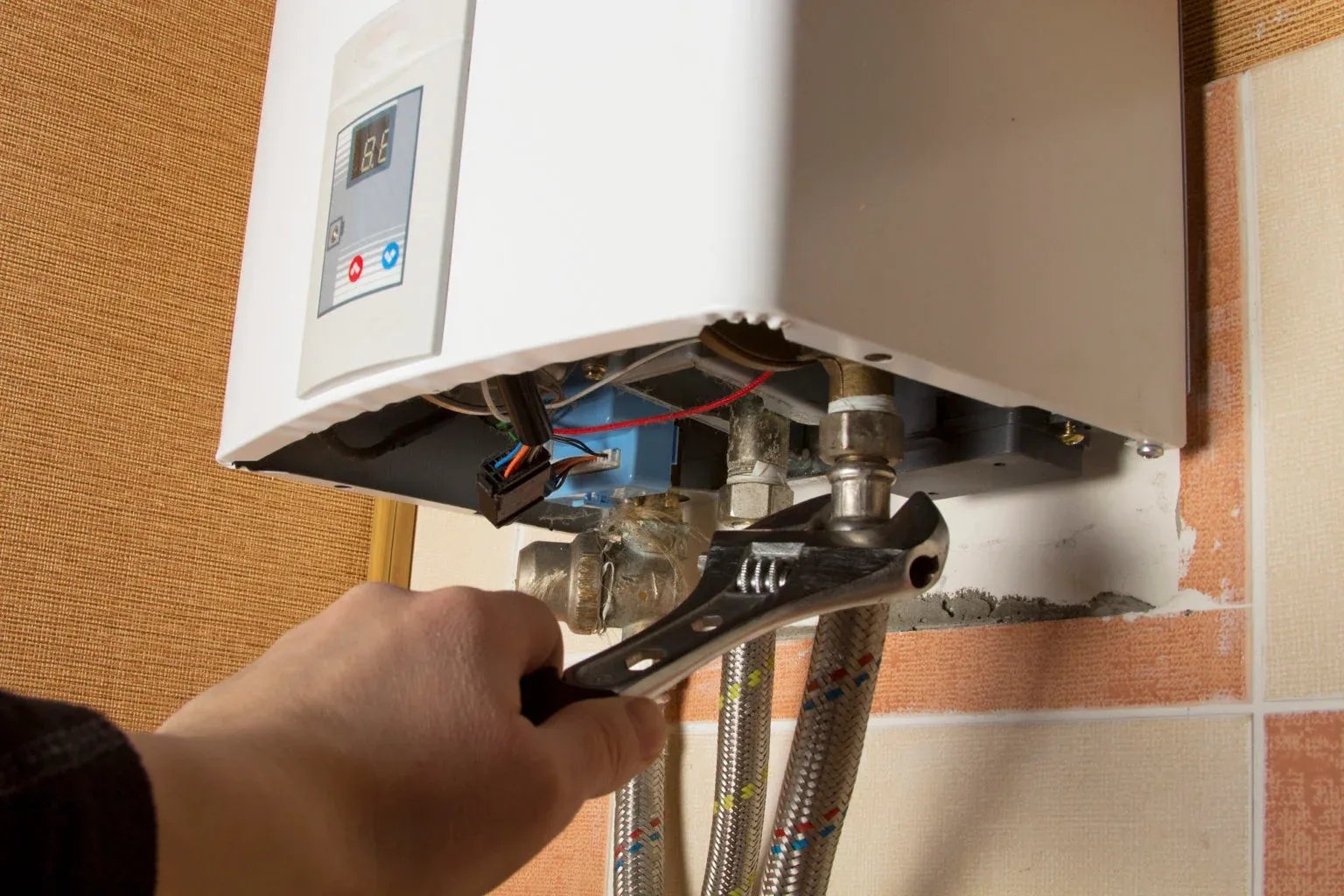
Many hot water problems disappear after replacing one failed component. A new thermostat can restore accurate temperature control, a new heating element can bring recovery time back to normal, and a repaired gas control system can relight consistent heating. These are targeted fixes that directly address the problem without removing a functioning tank. In the best cases, the homeowner gets nearly brand-new performance from an older but still sound system.
Removing sediment and improving efficiency
Flushing the tank and clearing sediment can have a noticeable impact on hot water recovery and energy use. When scale and mineral deposits are removed, the burner or element can heat water more efficiently. That means less noise, less strain, and better temperature consistency. Maintenance also helps the system work closer to its original design, which can delay the need for replacement.
Fixing pressure and flow-related issues
Sometimes the problem is not the heater alone but the plumbing conditions around it. If water pressure is too high or too low, the heater may seem unreliable even when it is functioning properly. A faulty regulator or worn supply line can create poor performance at showers and faucets. In those cases, repair work may include related services such as water pressure replacement or even water leak repair to stabilize the whole system.
When Repair Is Especially Worth Considering
Newer systems with isolated issues
If your heater is still relatively new, repair is almost always the first place to start. Newer systems with a single failing component usually have plenty of remaining useful life. A homeowner who acts quickly can avoid warranty complications, reduce downtime, and preserve efficiency. This is the best-case scenario for repair because the investment is small compared with the expected return.
Homes with tight budgets or planned upgrades
Repair can be the ideal bridge solution when replacement is not financially convenient yet. That may happen when a homeowner is preparing for a remodel, managing multiple repairs, or simply waiting for the right upgrade plan. A reliable repair keeps hot water available now while buying time to make a larger decision later. In this way, service becomes part of a smart maintenance strategy instead of a rushed purchase.
Systems with good tank integrity
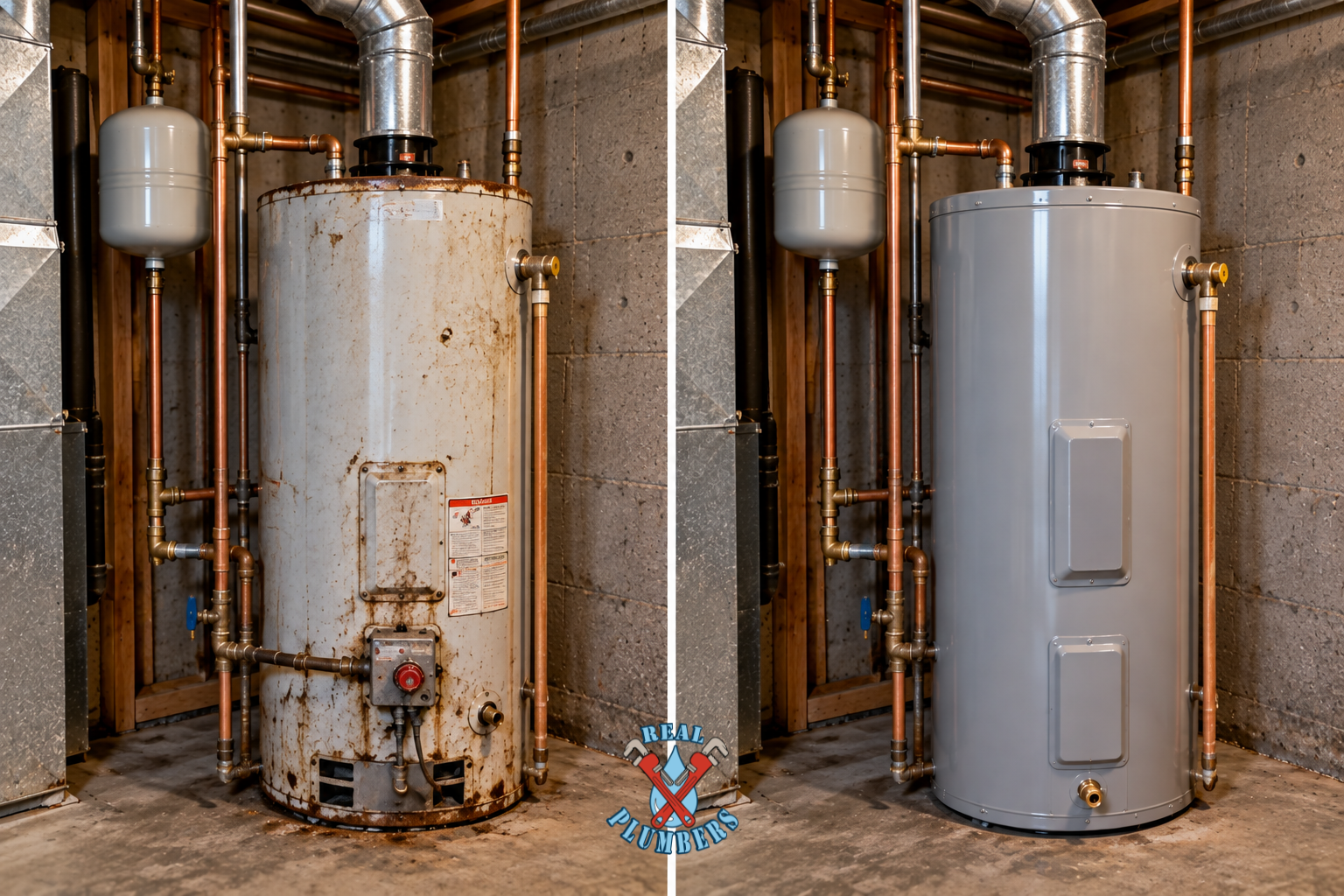
If the tank shell is sound, there is no major corrosion, and the leak is limited to fittings or valves, repair is often the logical choice. The difference between a safe, repairable tank and a failing one is important because once the tank itself is compromised, long-term reliability drops sharply. A technician can tell you whether the damage is superficial or structural and help you avoid spending money on a repair that will not last.
Preventive Maintenance That Extends Water Heater Life
Annual flushing and inspection
Regular flushing helps reduce sediment and keeps the system efficient. Annual inspections also catch early signs of corrosion, leaks, or venting concerns before they become expensive. This is especially useful in areas with hard water, where mineral buildup can accelerate wear. Preventive care is one of the simplest ways to get more years out of an otherwise healthy heater.
Checking anode rods and safety valves
The anode rod is designed to corrode before the tank does, which makes it one of the most important components to monitor. If it is worn out, the tank becomes more vulnerable to rust and failure. Pressure relief valves should also be checked to ensure the system can vent excess pressure safely. These small maintenance steps can make a huge difference in avoiding premature replacement.
Watching for subtle warning signs
Small changes often show up long before a heater stops producing hot water. Slight temperature swings, a faint metallic smell, a longer heating cycle, or a tiny drip near the base can all signal developing trouble. If you notice these signs, schedule service before the problem worsens. For homeowners who are also seeing slow fixtures or recurring blockages, reading our guide on why you shouldn’t ignore a slow drain can help connect the dots between plumbing symptoms.
Real-World Example: Repair Before Replacement Saves Time and Money
A common homeowner scenario
Consider a family that notices lukewarm showers in the morning and assumes the tank is finished. After inspection, the technician finds a failed lower heating element, sediment buildup, and a partially blocked drain valve. The tank is only seven years old, so instead of replacing the entire system, the repair includes part replacement and a flush. The household gets hot water back quickly and avoids the cost of a full replacement.
Why this approach works
This kind of result is common because many hot water problems are mechanical rather than catastrophic. The system can often be restored once the failed component is identified and the tank is cleaned. The key is accurate diagnosis, not guesswork. By choosing repair first, the homeowner gets immediate comfort while keeping replacement as a future option if the tank eventually ages out.
Service decisions should match the full plumbing picture.
In some homes, a water heater issue is part of a broader plumbing pattern. Low flow, repeated leaks, and drainage problems can all influence how well the heater seems to perform. That is why a complete plumbing perspective matters. If the issue extends beyond the appliance, related work like shower valve repair or kitchen sink clog service may also improve the overall experience.
Frequently Asked Questions About Water Heater Repair
How do I know if I need repair or replacement?
Start with age, symptom severity, and repair history. If the unit is under 10 years old and the issue is isolated, repair is often the best first move. If the tank is leaking from the body, showing heavy rust, or failing repeatedly, replacement may be more appropriate. A professional evaluation provides the clearest answer.
Can flushing a water heater really help?
Yes. Flushing removes sediment that can reduce efficiency, create noise, and shorten heating cycles. It is one of the most valuable maintenance steps for tank-style units. In many cases, a flush combined with part repair can restore performance enough to delay replacement for years.
Are strange noises always a sign of failure?
No, but they should not be ignored. Popping and rumbling often point to sediment, while hissing or banging can suggest pressure or flow concerns. The earlier the issue is diagnosed, the more likely it can be repaired instead of replaced. If the sound is sudden and severe, shut the system down and call a professional.
What if I also suspect a leak?
Leaks should always be taken seriously because they can worsen quickly. Some leaks come from fittings, valves, or nearby plumbing and may be repairable. If water is coming from the tank body itself, replacement may be the safer option. For urgent help, professional water leak repair can protect your home from additional damage.
Why Choosing the Right Plumber Matters
Accurate diagnosis saves money.
The difference between a repairable heater and a replacement job often comes down to the quality of the inspection. A skilled plumber knows how to test the system methodically, identify the true cause of the problem, and explain practical next steps. That reduces guesswork and helps homeowners avoid unnecessary spending. Honest advice matters just as much as technical skill.
Clean workmanship and clear communication
Water heater work can affect several parts of the home, from utility spaces to surrounding fixtures. Good service means protecting the work area, communicating clearly, and leaving the property clean when the job is done. Real Plumbers has built its reputation on straightforward service and dependable results, which is exactly what homeowners want when hot water is on the line.
Local experience helps with common conditions.
Homes in Southern California deal with their own plumbing patterns, from mineral-heavy water to aging infrastructure and varying system layouts. Local experience helps a plumber recognize recurring issues faster and recommend repairs that make sense for the property. Whether the job calls for repair, maintenance, or a replacement plan, the goal is the same: restore dependable hot water with the least disruption possible.
Conclusion: Restore Hot Water Before Replacing What Still Works
When a water heater stops performing, replacement is not always the answer. Many problems can be corrected with timely repair, careful diagnostics, and routine maintenance. By addressing failed parts, sediment buildup, pressure issues, and small leaks early, you can often restore hot water faster and spend less money than you would on a full system replacement. That is why it pays to inspect before you replace.
If you are dealing with unreliable hot water, start with a professional assessment and ask whether repair can safely extend the life of your unit. In many cases, the right fix brings comfort back quickly and gives you a better long-term plan. For trusted plumbing help, learn more about our water heater repair services or contact Real Plumbers to schedule an evaluation and get your hot water flowing again.