Why You Shouldn't Ignore a Slow Drain
Got a slow drain? It might seem like a sm all issue, but it's often a sign of a bigger plumbing problem. You might notice it in places like your kitchen sink, shower, or bathroom vanity and think it's just a temporary blockage. But a slow drain can signal grease buildup, hair accumulation, pipe scale, venting issues, hidden leaks, or even a sewer problem brewing. Want to steer clear of costly repairs and water damage? Let’s dive into what a slow drain is telling you and when you should act.
For most folks, it's smart to tackle the problem early with professional help like our clogged drain service, or maybe a more focused fix such as kitchen sink clog repair. In some cases, a slow drain might be linked to deeper problems in the line, which could need sewer and drain repair. The U.S. Environmental Protection Agency points out that ignoring small signs like leaks or backups can quickly become expensive. You can find more general maintenance tips from the EPA’s water efficiency resources at WaterSense.
What a Slow Drain Really Means
It's a symptom, not the main problem.
A slow drain isn't usually the main issue. It's more like a symptom of something building up inside your plumbing. Things like soap scum, food particles, grease, toothpaste, hair, mineral deposits, and foreign objects can collect over time and narrow the drain path. Even if water's still moving, the reduced flow means the line's already compromised and will likely get worse without attention.
Different fixtures reveal different problems.
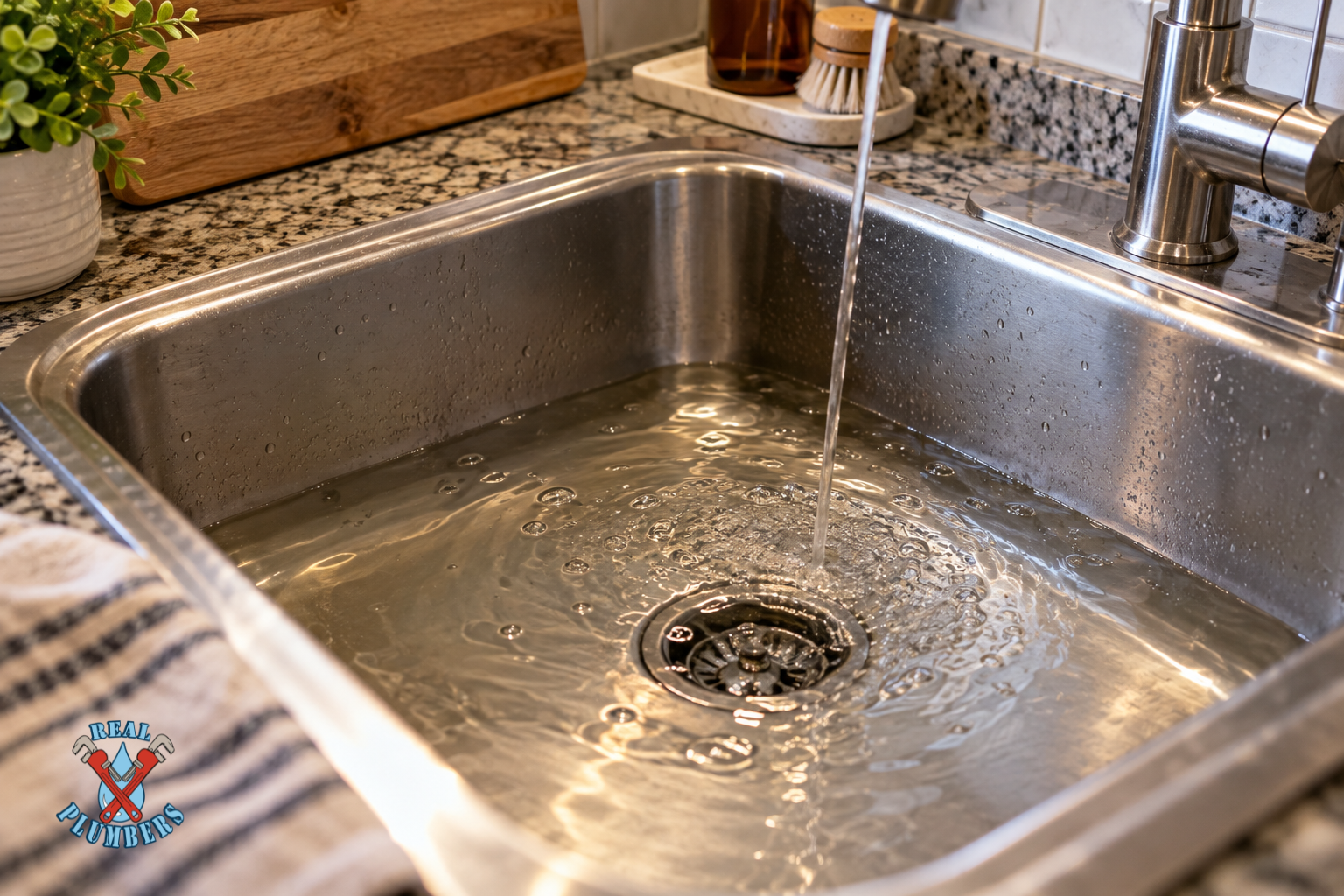
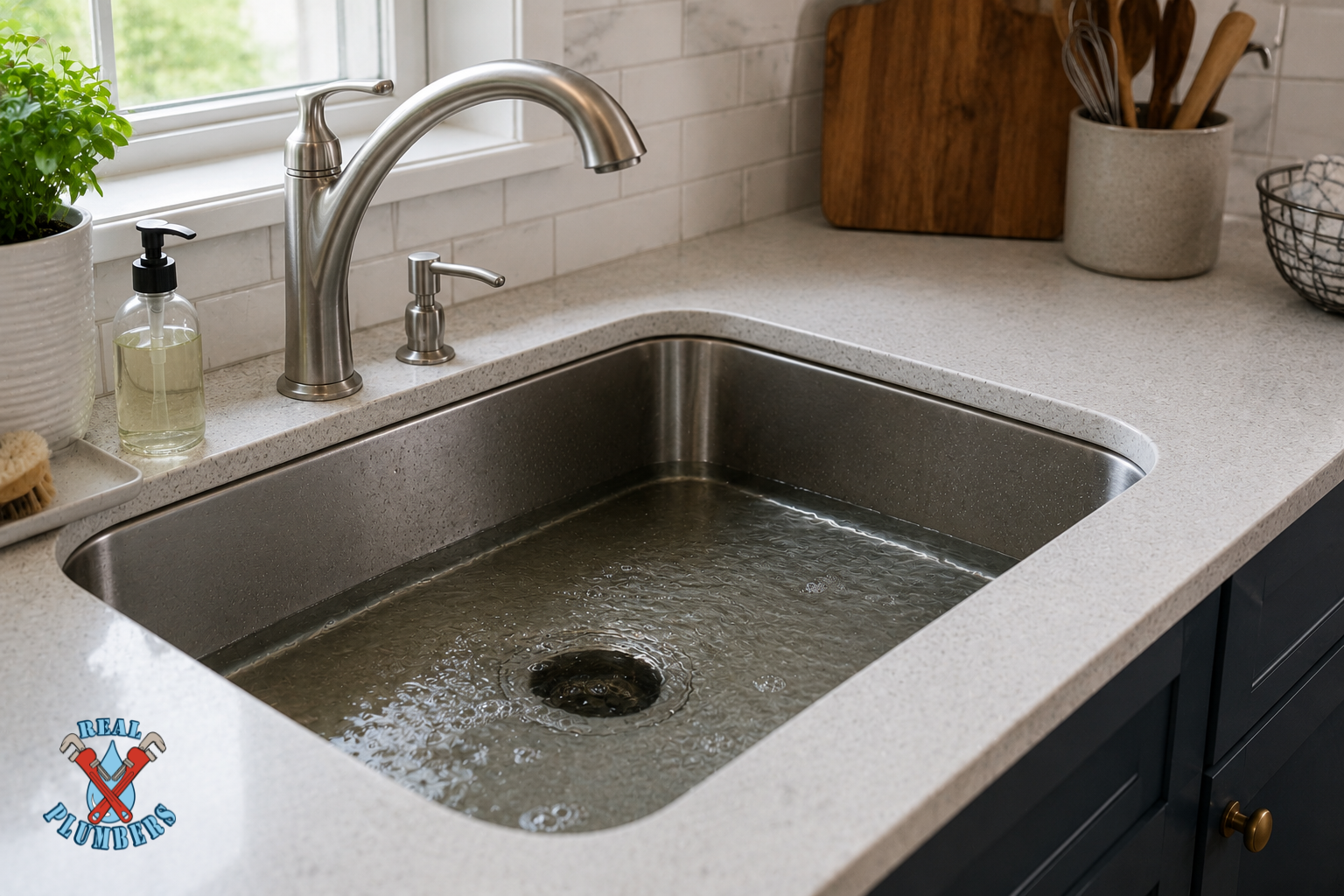
Where the slow drain happens matters. A bathroom sink that drains slowly could point to hair and soap buildup, while a shower drain might suggest the same issue but with more debris. A kitchen drain often involves grease or food waste, making a professional kitchen sink clog service especially handy. If multiple fixtures are draining slowly at once, the problem might be deeper down the line or connected to a main drain obstruction.
Slow drainage can be an early warning sign.
Many homeowners don't realize a slow drain is often the first warning of a more serious plumbing failure. Small clogs can create pressure, trap debris, and cause recurring backups. In older homes, this might even expose worn pipes, damaged joints, or root intrusion. Checking out the issue early can often resolve it before it becomes a full blockage.
The Hidden Costs of Waiting Too Long
Minor clogs can turn into major backups.
When a drain slows down, it’s tempting to just live with it. That delay often lets debris pack tighter inside the pipe, leading to a complete clog. Once the line is fully blocked, water might back up into the sink, shower, or tub, creating a mess and a more urgent repair situation. What started as a slow drain can quickly become a plumbing emergency.
Water damage can spread beyond the fixture.
Overflow is just part of the risk. Standing water and repeated backups can damage cabinets, flooring, drywall, and baseboards. In bathrooms, persistent moisture can encourage mold growth and create unpleasant odors. If a slow drain is tied to a leak or hidden pipe issue, the damage may not even be visible at first. That's why plumbing experts recommend addressing drainage problems before the surrounding materials are affected.
Emergency repair is usually more expensive.
Plumbing repair costs often rise when problems are ignored. A routine drain cleaning is far less disruptive than an emergency call for a backed-up system or a broken pipe. Sometimes, the original issue might have been simple to clear, but delays allow it to spread into a larger section of the plumbing network. If you need help, professional drain clearing can save time, stress, and money.
Common Causes of Slow Drains in Homes
Grease and food debris in the kitchen
Kitchen drains are especially vulnerable because grease hardens as it cools and clings to pipe walls. Food scraps, coffee grounds, and small particles can stick to that residue, creating a stubborn clog. Even households that are careful about what goes down the sink can develop buildup over time. That's why regular maintenance is important, especially in busy kitchens where the drain is used constantly.
Hair, soap, and product buildup in bathrooms
Bathroom drains usually slow down because hair combines with soap residue, conditioner, shaving cream, and toothpaste. Over time, this mix forms a dense mat that restricts flow. Shower drains are particularly prone to this issue, and if water is pooling around your feet during a shower, you might need shower clog repair before the blockage worsens. A slow bathroom drain shouldn't be dismissed as normal wear and tear.
Mineral scale and aging pipes
Homes with hard water can develop mineral buildup inside pipes, making the interior diameter smaller and slowing water flow. Older plumbing materials can also corrode or become rough inside, catching debris more easily. If your home has aging piping, a slow drain might be a sign that the line needs a closer inspection. Sometimes, the best fix could involve more than a simple clog removal and might require a broader look at the plumbing system.
When a Slow Drain Points to a Bigger Plumbing Issue
Multiple fixtures are affected.
If one drain is slow, the issue might be localized. If several drains are slow at the same time, the problem is probably deeper in the system. This can indicate a blockage in the main line, a venting issue, or a sewer obstruction. When the problem involves more than one fixture, it's wise to have the entire system inspected rather than treating only the most visible symptom.
Gurgling, odors, and backups are red flags.
Slow drainage combined with gurgling sounds, sewer odors, or recurring backups should be treated as a serious warning. These signs can indicate trapped air, improper venting, or a developing sewer issue. If the problem keeps returning after DIY attempts, the blockage might be beyond the reach of household tools. In those cases, a more advanced service like main sewer rooter service may be necessary to restore proper flow.
Drainage problems can overlap with leak concerns.
Sometimes a slow drain isn't the only issue at work. Hidden leaks, broken seals, or damaged pipes may also be affecting the system. Moisture around cabinets, soft flooring, or unexplained stains near walls can suggest that water is escaping somewhere it shouldn't. For households with suspected leaks, professional water leak repair can protect the structure of the property while the drainage issue is being resolved.
What You Can Safely Try Before Calling a Plumber
Start with simple observation.
Before reaching for tools or chemicals, take a few minutes to observe the drain. Is the water slow all the time, or only after heavy use? Is the problem limited to one fixture, or are others nearby also affected? Does the drain gurgle, smell bad, or make bubbling noises? These details help a plumber identify the likely cause more quickly and choose the right solution.
Avoid harsh chemical drain cleaners.
Many store-bought drain cleaners promise fast results, but they can damage pipes, especially in older systems. They may also fail to remove the clog completely, leaving residue behind that causes the same issue again later. According to plumbing safety guidance from the Occupational Safety and Health Administration, strong chemicals require careful handling and can pose risks in enclosed spaces; OSHA’s general safety information is available at osha.gov. A safer approach is often mechanical cleaning or professional assessment.
Use strainers and basic cleanup routines.
Installing mesh strainers in sinks and showers can reduce future buildup by catching hair, food scraps, and larger debris before they enter the drain. Regularly cleaning the visible drain opening also helps prevent surface buildup from becoming a deeper clog. These habits won't solve an existing blockage, but they can prevent repeat issues after the drain has been professionally cleared.
How Professional Drain Cleaning Solves the Problem
Mechanical tools clear what DIY cannot reach.
Professional drain cleaning uses equipment designed to reach deeper and remove more buildup than a plunger or household snake. Technicians can break apart compacted debris, clear sticky grease deposits, and restore better flow without damaging the plumbing system. This is especially valuable when the clog is beyond the P-trap or deeper in the branch line.
Inspection finds the real cause.
One of the biggest advantages of professional service is diagnosis. A skilled plumber can inspect the drain, identify whether the issue is localized or systemic, and recommend the most effective fix. In some cases, the problem may be related to a damaged fixture, a failing valve, or pressure-related flow concerns. If shower flow is weak or inconsistent, it might also be worth exploring shower valve repair alongside drain service so the root issue is fully addressed.
Long-term prevention is part of the fix.
Good drain cleaning isn't just about restoring flow today. It's also about helping you avoid the same problem next month. A professional can explain what caused the blockage, how to prevent it, and whether routine maintenance is a good idea for your home. For households that have frequent drainage trouble, recurring service is often cheaper and less disruptive than repeated emergency calls.
Why Slow Drains Should Never Be Ignored in Kitchens and Bathrooms
Kitchen drains affect daily routines.
A slow kitchen drain can interrupt meal prep, cleanup, and dishwashing. It might force water to sit in the sink, create odors, or leave greasy residue behind. If the drain is tied to a garbage disposal, the problem can be even more noticeable. In that case, garbage disposal repair may be needed to restore proper function and prevent the clog from returning.
Bathroom drains create hygiene concerns.
In the bathroom, slow drainage is more than an inconvenience because water pooling around hair, soap, and skin residue can create a less sanitary environment. Shower drains that back up during use are especially frustrating and can make the space slippery. If your shower is slow every day, don't assume it's just a minor annoyance. The issue might be getting worse behind the scenes.
Slow drains can affect water pressure expectations
While slow drainage and water pressure are different problems, they often appear in the same homes because aging plumbing systems can struggle in multiple ways. If your shower feels weak, you might need more than drain cleaning. A water pressure regulator repair or other pressure correction may help restore balanced performance throughout the house.
How to Prevent Slow Drains from Coming Back
Watch what goes down the drain.
Prevention starts with habit changes. Avoid pouring grease into the sink, and never flush food waste, wipes, cotton products, or other solids that don't break down properly. In showers, remove hair regularly from the drain cover and clean buildup before it settles deeper into the line. Small daily habits make a big difference over time.
Schedule preventive maintenance
Many homeowners wait until a problem becomes obvious, but preventive maintenance can catch drainage issues earlier. A plumber can check for developing clogs, inspect fixture performance, and recommend cleaning before the system slows down noticeably. If your home has repeated plumbing issues, a maintenance plan can reduce emergencies and extend the life of your pipes.
Address plumbing issues as a system.
When a home has recurring slow drains, it's often helpful to look beyond the single fixture. Older drains might be affected by pipe slope, venting, pressure, or sewer line concerns. A broader plumbing inspection can uncover issues that simple snaking won't solve. If the drain trouble keeps returning, ask whether the line itself needs more thorough service or whether a related fixture repair could help.
When to Call Real Plumbers
Call at the first signs of recurring slowdown.
If a drain slows down once and quickly returns to normal, that might not be urgent. But if the same fixture keeps running slow, or if multiple drains start to lag, it's time to bring in a professional. Early service can prevent backups, property damage, and unnecessary stress. Real Plumbers provides dependable help for homeowners and businesses who want clear answers and fast action.
Don't wait for a full blockage.
A complete clog is much harder to deal with than an early warning sign. Once water stops moving entirely, the risk of overflow, odor, and damage increases immediately. If you're already seeing standing water, repeated bubbling, or sink backups, the issue has likely moved beyond basic DIY care. In those situations, prompt professional drain service is the smartest move.
Get help from a trusted local team.
Real Plumbers serves properties across Southern California with honest, practical plumbing solutions. Whether the issue is a slow sink, a backed-up shower, a stubborn drain line, or a larger sewer concern, the goal is to solve the problem correctly the first time. You can also learn more about related solutions in our professional drain cleaning guide and our overview of drain clog causes and fixes.
Frequently Asked Questions About Slow Drains
Can a slow drain clear itself?
Usually, no. A slow drain might temporarily seem better if debris shifts slightly, but the buildup is still there. In most cases, it will return and often get worse. Waiting for it to fix itself usually just gives the clog more time to compact.
Is a plunger enough for a slow drain?
A plunger can help with very minor blockages, but it won't solve every slow drain. If the issue is grease, mineral buildup, or a deeper obstruction, a plunger may have little effect. If plunging doesn't improve the flow quickly, it's best to stop before forcing the problem deeper into the line.
How do I know if the problem is in the main line?
If several fixtures are slow or backing up at the same time, the issue might be in the main line. Other warning signs include sewer odors, gurgling toilets, and water appearing in unexpected places. In that case, a plumber should inspect the system before the blockage leads to a larger backup.
Final Thoughts: Treat Slow Drains as Early Warnings
A slow drain is one of the clearest signs that your plumbing system needs attention. What starts as a small nuisance can quickly become a full blockage, water damage issue, or sewer-related concern if ignored. By understanding the causes, watching for warning signs, and acting early, you can protect your home, reduce repair costs, and keep daily routines running smoothly.
If your drain is slowing down now, don't wait until it stops completely. The safest and most cost-effective approach is to have it checked and cleared before the problem grows. For reliable help, contact Real Plumbers at (323) 821-7922 or visit realplumbersinc.com to schedule service and get your plumbing back on track.