Introduction: Why DIY Drain Fixes Often Only Scratch the Surface
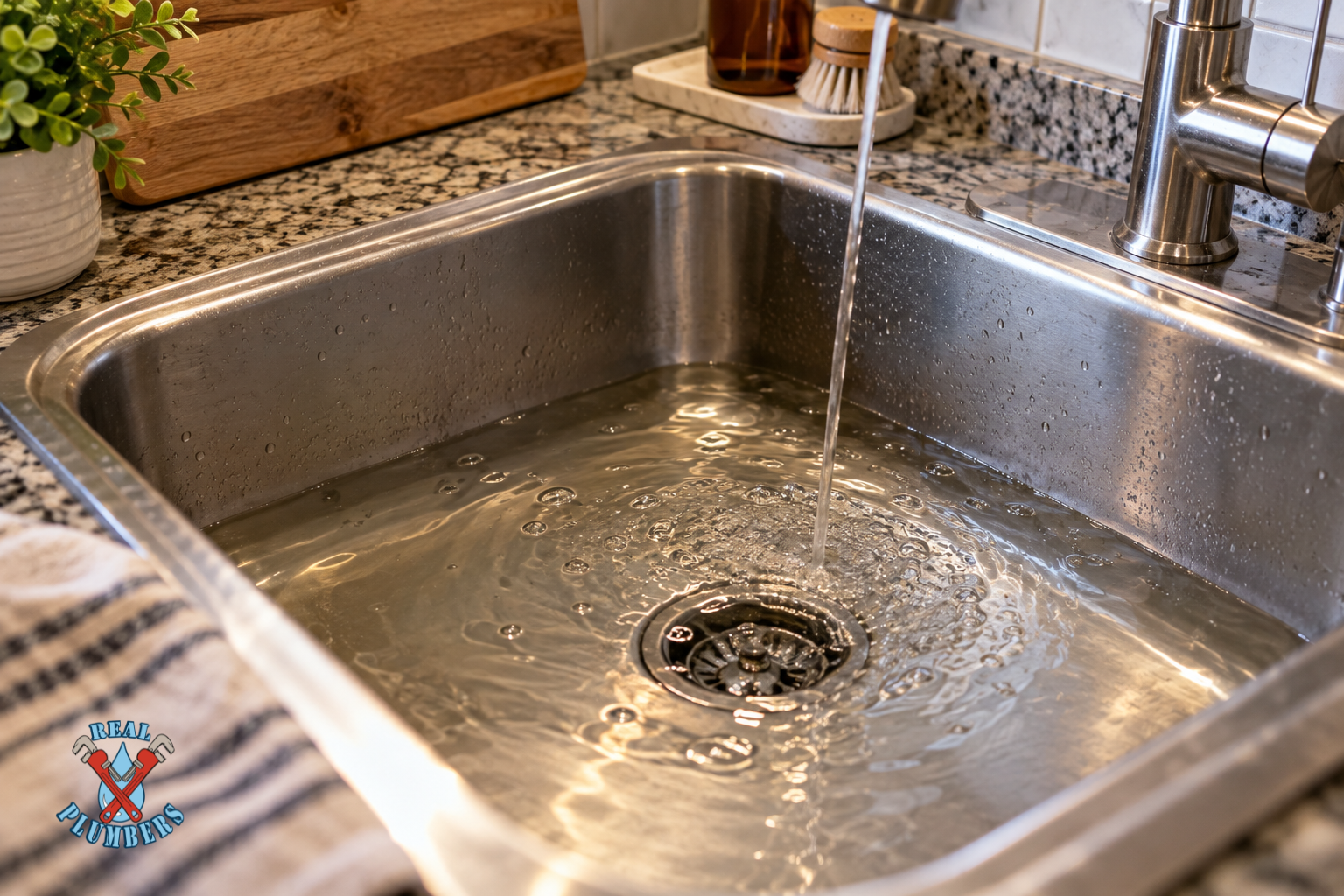
When your sink drains slowly, or your shower pools water around your feet, you might grab a plunger, a bottle of cleaner, or a store-bought snake. They can help with minor clogs and sometimes provide a quick fix. But often, the blockages are deeper and tougher than they appear. This is where professional drain cleaning steps in.
Many homeowners find that the real issue isn’t just one visible clog. Instead, it’s a buildup of grease, soap scum, scale, hair, sludge, or even tree roots inside the line. Professional drain cleaning services tackle the hidden materials DIY methods miss, making them a more complete solution. If you’re dealing with recurring backups, slow drains, or multiple fixtures acting up at once, it might be time to consider clogged drain service or a more targeted sewer and drain repair.
For a broader overview of warning signs, check out our drain clog prevention guide, which explains how everyday habits affect plumbing performance. Today’s plumbing industry has moved beyond simple plungers and chemicals. Tools like high-pressure water jetting and CCTV inspections help plumbers find and remove the root cause of the problem, not just poke a hole through the blockage.
This is important because drain problems often point to something bigger. A clog might be due to a collapsed pipe, root intrusion, a sag in the line, or repeated buildup in a system that hasn’t been professionally serviced in years. Understanding what professional drain cleaning removes that DIY can’t is the first step to long-term plumbing protection.
What DIY Drain Cleaning Usually Removes Well
Minor surface clogs and soft buildup
DIY methods work best for small, localized clogs near the drain opening. You can often clear hair in a bathroom sink, a light soap blockage in a tub, or a little food debris near a kitchen trap with a plunger, a hand snake, or hot water. These methods are affordable and easy to access when the drain is only partially restricted.
But DIY tools usually only work on the visible part of the clog. They can create a temporary opening but rarely clean the full pipe wall. That means the leftover material can quickly catch new debris, leading to another blockage in days or weeks. A drain may seem fixed, but the underlying buildup is still there.
Light organic residue near fixtures
Kitchen sinks and bathroom drains often gather small amounts of organic matter that DIY methods can loosen, like food particles, toothpaste residue, shampoo buildup, and small amounts of grease. If the blockage is very close to the fixture, a simple solution might restore flow for a while.
Still, quick fixes don’t address the entire drainage path. Deeper lines may contain thick grease deposits or hardened sludge that you can’t reach without specialized tools. That’s why homeowners with repeated slow drainage often find themselves treating the same problem again instead of solving it once.
What Professional Drain Cleaning Removes That DIY Cannot
Grease buildup hardened along pipe walls.
Kitchen drains often hide grease problems. Even if grease enters the pipe as a liquid, it cools and hardens as it moves through the line. Over time, that buildup narrows the pipe diameter, traps food scraps, and creates a stubborn blockage that typical DIY methods can’t remove. Boiling water might help with a light film, but it won’t strip heavy deposits from the pipe walls.
Professional cleaning methods address this exact issue. Mechanical rodding and high-pressure water jetting break apart and flush out the hardened residue, restoring the line more thoroughly. If the blockage keeps coming back in your kitchen, it might also be worth checking out related fixtures like a kitchen sink clog or even a linked garbage disposal repair issue that’s contributing to the buildup.
Hair, soap scum, and mineral scale deep in the line
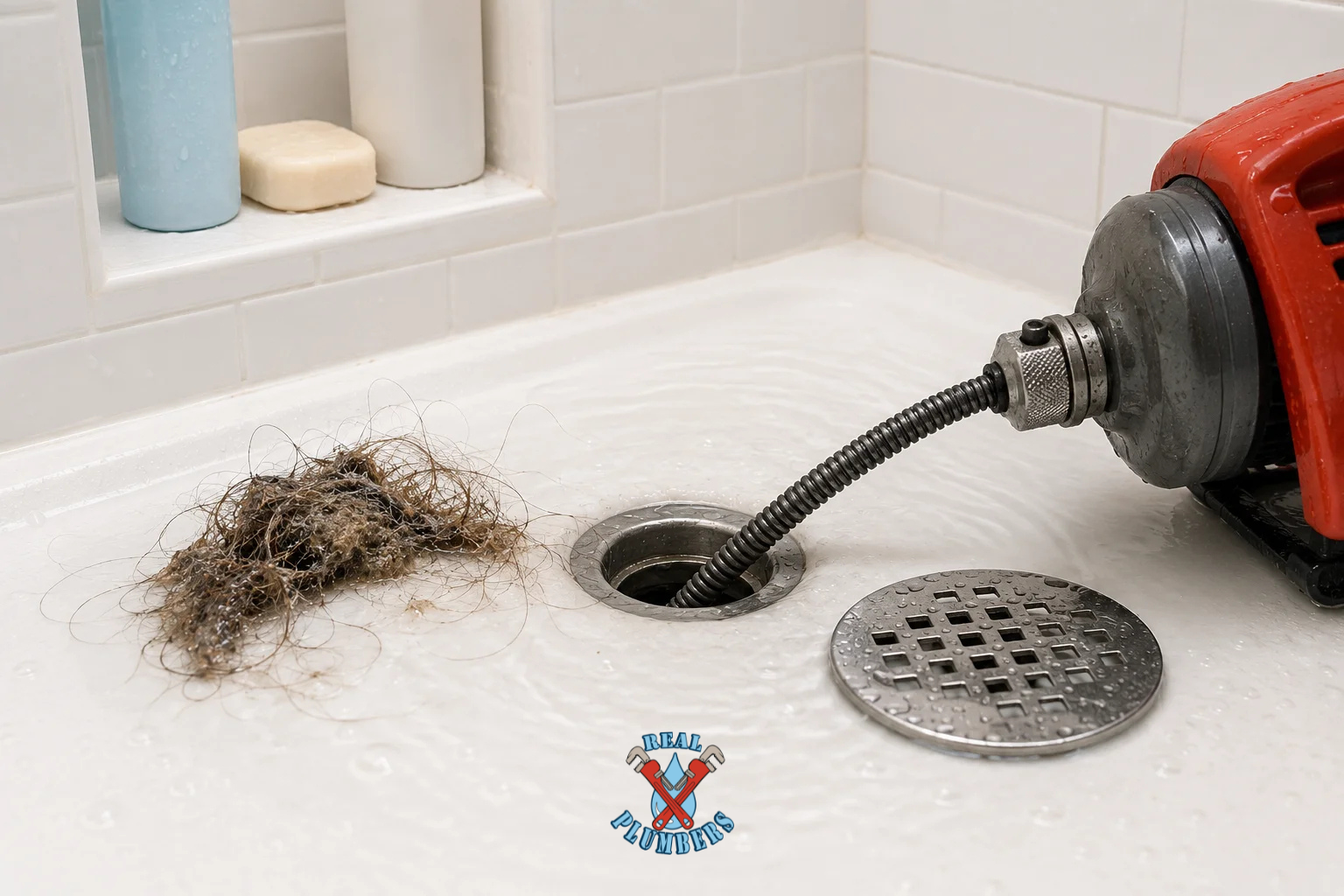
Bathroom drains often seem easy to clear because the clog looks like it’s just caused by hair. In reality, hair usually combines with soap scum, conditioner residue, and hard-water mineral scale to form a dense mass. That material clings to the inner walls of pipes and becomes harder to remove with household tools. A store-bought snake might pull out some hair, but much of the packed residue often remains behind.
Professional drain cleaning removes more than the plug itself. It scours the line, dislodging the sticky buildup that keeps catching new debris. For showers, persistent drainage issues often need more than a surface fix, which is why a dedicated shower clog service can be a safer and more complete option than repeated DIY attempts.
Tree roots intruding into sewer lines
A big difference between DIY and professional service is the ability to handle root intrusion. Tree roots naturally seek moisture, and tiny pipe cracks or loose joints can let them into a sewer line. Once inside, they expand, catch waste, and create major backups that household snakes usually can’t eliminate. You might clear a partial passage, but roots often remain and regrow quickly.
Professional plumbers use specialized cutting heads, rooter equipment, and inspection cameras to find and remove obstructions more effectively. In tree-lined neighborhoods, especially older systems, this issue is more common than many homeowners realize. If the clog is severe, a main sewer rooter service might be needed to restore full flow and reduce the chance of immediate recurrence.
Silt, sludge, and debris in deeper sewer lines
Not all drain problems are caused by household habits. Sewer lines can collect silt, sludge, rust flakes, and debris over time, especially in older plumbing systems. DIY methods rarely reach this kind of buildup. You might open a small path through the clog, but heavier material tends to stay in the lower sections of the pipe, continuing to restrict flow.
Professional equipment can remove deeper debris more completely. This matters because partial clearing often leads to recurring slow drains, gurgling fixtures, and backups during high water use. Often, the best fix isn’t just to clear the drain, but to clean the entire line from end to end.
Why Professional Tools Work Better Than Household Methods
High-pressure water jetting
High-pressure water jetting is one of the most effective modern drain cleaning technologies. It uses a controlled stream of water to cut through grease, loosen sludge, flush debris, and clean pipe walls. Unlike a DIY snake, which mainly punches through the center of a clog, hydro jetting addresses the buildup lining the pipe. This makes it especially useful for stubborn kitchen lines and recurring sewer issues.
This method is well recognized in the industry because it’s both powerful and precise when used by a trained technician. For homeowners who want a deeper understanding of sewer-system issues, the U.S. Environmental Protection Agency offers helpful guidance on wastewater and sewer basics. In practice, professional jetting often leaves the line cleaner for longer, which reduces the likelihood of rapid re-clogging.
Mechanical rodding and drain snaking
Mechanical rodding is another standard professional method, but the difference lies in the strength, reach, and expertise behind it. A professional-grade machine can reach deeper into the system and apply the right amount of force without damaging the pipe. This makes it more effective than a basic hand snake purchased at a hardware store. It’s especially helpful when the blockage is compacted or located farther from the fixture.
Professionals also know when rodding is the correct choice and when another method is safer. For instance, older pipes or brittle sections may need a gentler technique, while dense obstructions might require more aggressive clearing. This decision-making is a major reason why expert drain cleaning tends to outperform DIY attempts.
CCTV drain inspections
One of the most important developments in modern drain cleaning is CCTV inspection. A tiny camera is inserted into the line so the plumber can see the exact cause and location of the problem. This eliminates guesswork and helps determine whether the issue is grease, roots, scale, collapsed piping, or a buildup caused by poor slope. According to plumbing best practices, diagnosis is just as important as cleaning because the wrong method can leave the root cause untouched.
Camera inspection is also valuable for prevention. It can reveal early pipe damage before a major failure occurs, allowing targeted repairs instead of emergency replacement. For homeowners who want to learn more about how pipe conditions affect drainage, the National Institute of Standards and Technology provides general research resources, which is a useful authority on standards and measurement in technical industries.
The Risks of Relying Too Much on DIY Chemical Cleaners
Pipe damage over time
Chemical drain cleaners are often sold as fast and convenient, but they can create long-term problems. Harsh formulas might generate heat and corrosion, weakening pipes, seals, and older fittings. In systems with PVC, older metal piping, or already fragile joints, repeated use can make plumbing more vulnerable to leaks. What seems like a cheap fix can become a costly repair later.
That’s why many experts recommend mechanical cleaning first whenever possible. A professional technician can choose a method based on the actual blockage, not just the symptom. If your plumbing is already showing signs of age, you might want to review broader maintenance options such as water leak repair or a full water pressure regulator repair if stress on the system is contributing to ongoing problems.
Health and safety concerns
Mixing chemical products or using them in a line already partially blocked can create hazardous splashing or fumes. Homeowners sometimes underestimate how dangerous a backed-up drain can become when corrosive material sits in the pipe. If the chemical doesn’t fully clear the clog, the residue remains in the line and can be exposed during the next repair attempt, which increases risk for both the homeowner and the plumber.
Safety agencies routinely warn consumers to read labels carefully and avoid overuse of harsh cleaners. The Occupational Safety and Health Administration has general guidance on safe chemical handling, which is worth reviewing if a product is being used in or near the home. In most cases, professional cleaning is the safer path because it removes the clog without introducing unnecessary chemical damage.
Real-World Example: When DIY Makes the Problem Worse
A partially cleared kitchen blockage
Imagine a homeowner who notices slow drainage in the kitchen and tries several bottles of chemical cleaner over a few weeks. The water starts moving a bit faster, so it feels like the issue is improving. But the real clog never fully leaves the line, and each chemical treatment leaves more wear on the pipe interior. Eventually, the drain backs up again, this time with a leak caused by weakened piping.
This kind of scenario is more common than many people think. A temporary surface improvement can hide a deeper issue, delaying the inevitable and sometimes increasing the cost of repair. In a situation like this, professional drain cleaning would likely have removed the blockage more thoroughly the first time and reduced the chance of corrosion-related damage.
Recurring backups point to deeper trouble.
When multiple drains back up at once, the problem is usually not a single fixture clog. It often points to a main line obstruction, sewer issue, or root intrusion. DIY methods are rarely capable of addressing that kind of system-wide problem. That’s why recurring backups should be treated as a warning sign, not just an inconvenience.
When the issue reaches that level, a technician may recommend a diagnostic camera check and a deeper service plan. In homes where recurring backups are already happening, it might be smarter to move directly to a more complete solution like sewer and drain repair rather than continuing to spend money on short-term fixes.
How Professional Drain Cleaning Prevents Future Clogs
Cleaning the pipe walls, not just the blockage
The biggest advantage of professional drain cleaning is that it clears more than the immediate obstruction. It removes the coating of buildup on the pipe walls that causes clogs to return. This is why professional service tends to provide longer-lasting results than plunging or snaking by hand. When the line is clean, there’s less residue for fresh debris to cling to.
This is especially important in homes with frequent cooking, heavy bathroom use, or older plumbing infrastructure. A line that’s been professionally cleaned typically drains more efficiently and can handle normal daily use with less trouble. The result is fewer emergency calls and a healthier plumbing system overall.
Preventative plumbing maintenance
Regular maintenance is one of the best ways to avoid recurring drainage problems. A scheduled inspection and cleaning can catch grease buildup, root intrusion, early pipe damage, and developing blockages before they become emergencies. For many homeowners, this approach is less expensive than waiting for a severe backup or leak.
Preventive service is especially useful in neighborhoods with older infrastructure or landscaping that puts roots near sewer lines. It also helps property owners protect plumbing in rentals, commercial spaces, and multi-unit homes where one clog can affect several people. If you want to make drainage care part of a larger plan, it’s worth pairing cleaning with ongoing plumbing attention, just as you might maintain a water heater before it fails. Our related guide, Why Your Water Heater Might Be Running Out of Hot Water, shows how preventative thinking saves money across the whole plumbing system.
When to Call a Professional Instead of Trying Again
Signs the clog is beyond DIY
There are clear warning signs that a clog has moved beyond the DIY stage. These include recurring backups, multiple slow drains, gurgling sounds, foul odors, standing water, and wastewater coming up in unexpected fixtures. If one drain clears but the problem quickly returns, that’s another strong sign that the line wasn’t fully cleaned. At that point, repeating the same home remedy usually doesn’t solve the real issue.
Homeowners should also pay attention to where the blockage seems to be happening. If the issue is isolated and light, a basic fix may be enough. But if the blockage is deep in the line or affecting several fixtures, professional help becomes the more practical and cost-effective choice.
Why fast response matters
Waiting too long can turn a manageable drain issue into a messy emergency. Backups can overflow into floors, damage cabinets, and create unsanitary conditions. In severe cases, pressure inside the line can also expose hidden pipe weaknesses. Acting early often reduces repair costs and limits the chance of water damage.
If your plumbing problem is already spreading beyond one drain, it may be time to call in a service that can inspect, clean, and repair the system properly. For local homeowners, Real Plumbers provides the hands-on support needed to get drains flowing again, and if the issue is tied to a broader system concern, a service like plumbera in Los Angeles, CA can help connect the diagnosis to the right repair plan.
Frequently Asked Questions About Professional Drain Cleaning
Is DIY drain cleaning ever safe?
Yes, DIY drain cleaning can be safe for minor clogs when you use simple, non-damaging methods. A plunger, basic hand snake, or hot water may help with small surface obstructions. The key is knowing when to stop. If the clog is recurring, deep, or affecting more than one drain, repeated DIY attempts can become costly and risky.
How often should drains be professionally cleaned?
There’s no one-size-fits-all answer, but many homes benefit from periodic professional cleaning every one to two years, especially if the property has older pipes, heavy kitchen use, or trees near the sewer line. Homes with recurring slow drains may need service sooner. The goal is to remove buildup before it becomes a full blockage.
Can professional cleaning help with bad odors?
Yes. Persistent odors often come from organic buildup, stagnant residue, or sewer gases escaping through a compromised line. Professional cleaning can remove the material causing the smell and reveal whether a deeper repair is necessary. If odors continue after cleaning, it may indicate a venting or sewer issue that should be inspected.
Conclusion: Clean Drains Start with the Right Tools
DIY drain cleaning has its place, but it usually only handles small, surface-level problems. Professional drain cleaning removes the grease, sludge, roots, scale, and deep debris that household tools can’t reach. It also provides diagnosis through camera inspections, safer cleaning methods, and better long-term protection for your plumbing system.
If you're dealing with repeat blockages, multiple slow drains, or backups that keep returning, the real issue is probably deeper than the fixture itself. That’s when professional service becomes the smartest investment. For homeowners who want reliable results and honest service, Real Plumbers can help identify the cause, clean the line thoroughly, and recommend the right next step to keep your plumbing running smoothly.
Ready to stop fighting the same clog over and over? Reach out to Real Plumbers for expert drain cleaning support and practical solutions that last.