Your Go-To Guide for Tackling Drain Clogs in Los Angeles Homes: Causes, Fixes, and Prevention
Dealing with drain clogs can be more than just a nuisance. When your sinks, tubs, or main lines keep getting blocked, it usually signals something bigger going on in your plumbing. It's not just about clearing the blockage; it's about understanding why it keeps happening and how to prevent it. If you're already facing repeated backups, our clogged-up drains service can help you find the root cause and get things flowing again.
A lot of clogs start with everyday habits that seem harmless. Washing grease down the kitchen sink, hair down the shower drain, or soap residue building up can all lead to issues over time. In older homes, you might also have to deal with scale, corrosion, or even tree roots. Hard water and aging systems can make matters worse by narrowing pipes faster than you might think. According to the U.S. Environmental Protection Agency’s WaterSense program, conserving water is crucial for keeping your plumbing in good shape.
This guide goes through the common reasons for frequent drain clogs, signs you should watch out for, and how you can prevent future blockages. We’ll also touch on specific things to consider in Los Angeles, like hard water and old plumbing. Plus, we’ll talk about when a simple cleaning will do and when you might need something like sewer and drain repair or hydro jetting for a long-term fix.
Why You Shouldn't Ignore Frequent Drain Clogs
Recurring clogs point to a bigger issue.
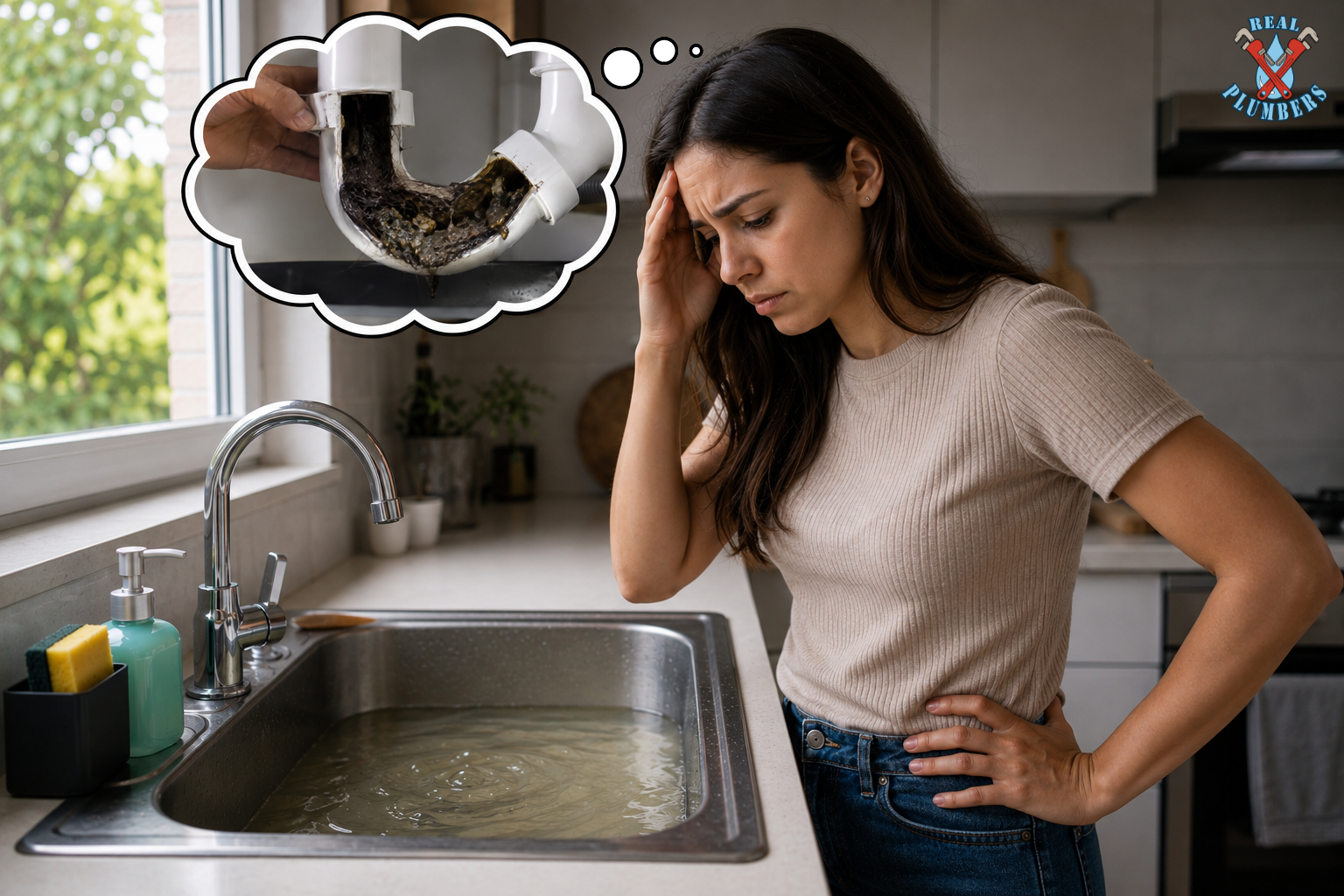
One clog can happen to anyone. But if the same drain keeps slowing down or backing up, there’s usually an underlying problem causing it. This could be buildup inside the pipe, a venting issue, a partial collapse, or something deeper in the sewer line. Ignoring the real issue can lead to more service calls and costly repairs later.
Many people think a plunger or store-bought cleaner will solve everything. But these often just create a temporary opening. If grease, hair, scale, or roots are still in the pipe, the clog will come back. That’s why recurring problems need a closer look, especially if multiple fixtures are affected.
Slow drainage can cause bigger plumbing issues.
If water can't move freely, pressure builds up inside the pipe system. This can lead to leaks, bad odors, water damage, and even sewer backups. In serious cases, standing wastewater can create unsanitary conditions that need immediate attention. Listen for gurgling sounds, recurring toilet bubbling, or water showing up in a nearby drain when you use another fixture. These are signs that your system needs a check-up.
A camera inspection can help diagnose hidden problems like cracks, root intrusions, and mineral buildup. This is often the quickest way to see if the issue is localized or part of a bigger sewer problem. If the blockage is in the main line, consider a main sewer rooter service to get things flowing properly again.
Causes of Frequent Kitchen Drain Clogs
Grease and cooking oil solidify inside pipes.
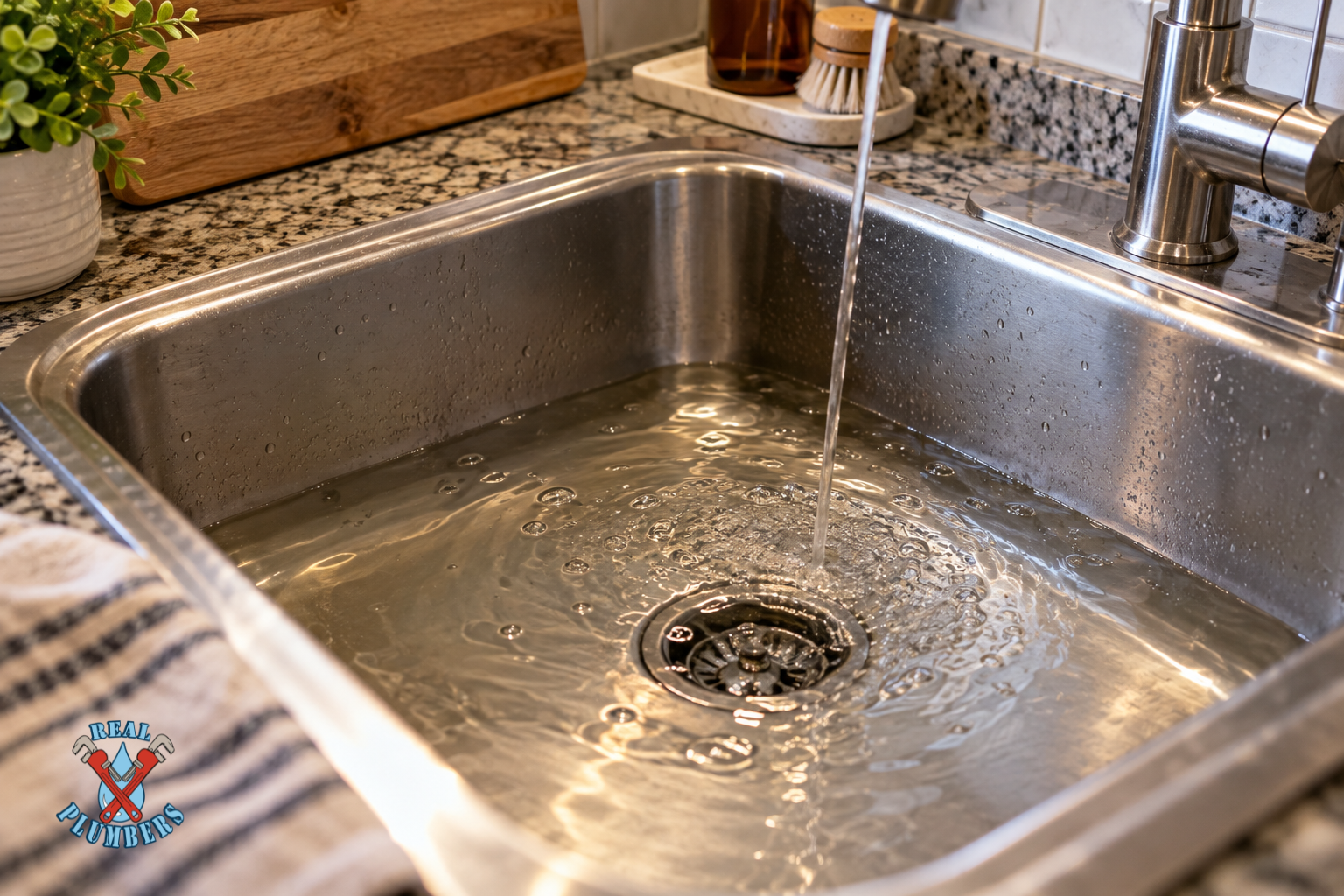
Kitchen drains are a common spot for clogs. Grease, oil, and fat go down as liquids but harden when they cool, sticking to the pipe walls. Over time, this sticky layer traps food particles and soap residue, creating a stubborn blockage. Even a little grease going down regularly can cause big problems over time.
According to reports from Redfin, grease buildup is a leading cause of kitchen drain issues. It's something plumbers often see in the field. To prevent it, try wiping pans with a paper towel before rinsing and avoid using the sink as a grease trap. If your kitchen drain is already slow, a professional kitchen sink clog repair can help.
Food scraps and coffee grounds can cause buildup.
Many people rely on a garbage disposal, but it has its limits. Fibrous veggies, rice, pasta, eggshells, coffee grounds, and stringy foods can build up in the line or clump inside elbows and traps. Some materials swell with water, while others settle into a dense mass that catches more debris. This is why kitchen clogs often come back when habits don’t change.
To lower the risk, scrape plates into the trash or compost before rinsing them. Run cold water when using a disposal so grease and residue stay solid and move through the line better. If your disposal jams or makes strange noises, it might need service. Garbage disposal repair can help get it back to normal and cut down on drain issues.
Soap residue and dishwasher discharge add to the problem
Soap film might not seem like a big deal, but it can mix with grease and food to create a paste-like buildup that narrows pipes. Dishwashers can also push food fragments and cloudy residue into the drain line, especially if the filter or hose setup isn't working right. This mix can lead to slow drainage over time.
Using enzyme-friendly cleaners and getting regular professional cleanings can help. Treat the kitchen drain as part of a larger system instead of assuming each clog is separate. If your issue keeps coming back, the line might need a thorough cleaning.
Why Bathroom Drains Get Clogged
Hair is a big problem in showers and tubs.
Bathroom drains face different challenges. Hair is the main culprit in shower and tub clogs, and it combines with soap scum to form a dense, net-like obstruction. Once hair catches on a rough spot inside the pipe, everything else follows. That's why a shower can go from draining slowly to standing water quickly.
According to Redfin, hair buildup is the dominant problem in bathroom drains. Simple prevention helps a lot. A drain cover or hair catcher can reduce buildup, and regular cleaning of the cover keeps it effective. If the shower is already slow, our shower clog service can help clear the line.
Soap scum and hygiene products make blockages worse.
Soap scum sticks to pipe walls and gives hair something to grab onto. Toothpaste, shaving cream, wipes, cotton products, and personal hygiene items speed up the clogging process. Even products marked as “flushable” might not break down quickly enough for older plumbing. In homes with weaker flow or narrower pipes, these materials build up faster than you think.
Try to keep non-liquid products out of the sink and shower. Use a waste bin near the bathroom sink and don’t flush items unless they’re truly toilet-safe. If the bathroom drain is frequently slow, the issue might be bigger than the visible trap.
Low water flow worsens bathroom buildup.
Weak water pressure or flow doesn't push debris through the system. This lets residue settle instead of moving away. Homes with pressure issues, old fixtures, or partially blocked lines often notice that drain performance worsens over time. Sometimes, a plumbing problem in one area can affect drainage elsewhere in the home.
If you have issues like weak flow, slow drains, or inconsistent performance at multiple fixtures, it might be time to look beyond just the drain itself. A balanced plumbing system supports better drainage, and problems like pressure fluctuations or leaks can all contribute.
Main Sewer Line Problems That Cause Recurring Clogs
Tree roots are a hidden threat.
One big issue is tree root intrusion in the main sewer line. Roots seek moisture and enter small cracks or joints in aging pipes. Once inside, they expand and trap waste, paper, and debris. In areas with mature landscaping and older infrastructure, this is a common cause of repeated backups across multiple fixtures.
In older Los Angeles neighborhoods, roots can quickly become a major issue. You might first notice a slow tub drain or a toilet that gurgles after flushing. Then it spreads to sinks and floor drains. When that happens, the source is often deeper than a local drain and may need a camera inspection and root removal solution. Check out our article on spotting drain and sewer line problems for more warning signs.
Scale buildup and pipe deterioration narrow the line
Hard water leaves minerals that cling inside pipes. Over time, these deposits reduce pipe diameter and make it easier for debris to snag. In older homes, pipe corrosion or deterioration speeds up the process. This is why drain problems can be more persistent in properties with older plumbing systems.
According to the U.S. Geological Survey, hard water contains dissolved calcium and magnesium that contribute to mineral scale. If scale and debris are both present, cleaning the line once may not prevent a repeat issue.
Partial sewer blockages affect the whole home.
When the main line is partially blocked, you might notice multiple symptoms. Toilets may flush slowly, showers may back up when the washer drains, and sinks may gurgle after water runs elsewhere in the house. This usually means the problem is in the shared system rather than one fixture. A broader inspection becomes essential.
For severe or recurring main line issues, hydro jetting can be very effective. High-pressure water scours pipe walls, removing grease, scale, and debris more thoroughly than basic methods. If you’re comparing cleaning methods, our sewer and drain repair team can help you decide on the best approach for your home.
Factors in Los Angeles That Make Drain Clogs Common
Hard water leads to scale and buildup.
Many areas in Los Angeles have hard water, and that can affect plumbing over time. Mineral-rich water leaves behind scale on pipes, showerheads, and fixtures. As scale builds up, it creates a rougher surface where grease, soap, and debris catch more easily. That’s why some homes clog more often even with normal habits.
Homeowners usually notice these effects gradually. A sink that once drained quickly starts to slow down. A shower that once cleared instantly now leaves a shallow pool. These changes might seem minor, but they often point to a system that needs cleaning or maintenance before it becomes disruptive.
Aging infrastructure raises the risk of repeat issues
Many homes in the area were built decades ago, and their older plumbing systems are more vulnerable to corrosion, settling, and joint failure. Even if fixtures look fine from the outside, the pipes underneath may have narrow sections, worn fittings, or hidden damage, making frequent clogs more likely.
Los Angeles neighborhoods vary widely in age, lot size, and landscaping, so the cause of recurring clogs can differ from block to block. Some homes struggle with root intrusion, others with hard-water scale or outdated drain layouts. Local knowledge matters when diagnosing the issue, as the same symptom can have different causes.
Seasonal water use and activities expose weak points
Drain problems can show up during heavy household use. Holidays, guests, school schedules, and summer activity can put more demand on kitchen and bathroom plumbing. If there’s already buildup, extra use can push a marginal line into a full blockage. In that sense, a clog often reveals a longer-term problem.
Preventive maintenance can reduce the chance of a surprise. A professional inspection and cleaning schedule is especially useful in homes with older plumbing, mature trees, or a history of slow drains. This is less stressful than waiting for a backup during a busy week.
How to Prevent Frequent Drain Clogs at Home
Build better daily habits.
The simplest prevention steps are often the best. Keep grease out of the kitchen sink, use drain strainers, and dispose of hair before it reaches the shower drain. Avoid flushing wipes, cotton products, and other non-biodegradable materials. These habits may seem small, but they significantly reduce buildup inside the pipes.
It also helps to rinse drains with plenty of water. Warm water can move residue along in kitchen sinks, while cold water is better when using a disposal. The goal is to stop sticky buildup from hardening into a blockage. If you have a recurring issue, habits alone may not be enough, but they still help.
Schedule professional cleaning before things escalate.
Routine maintenance is a great way to prevent repeat clogs. A plumber can clear buildup, inspect vulnerable sections, and spot warning signs before they become emergencies. In some cases, a camera inspection and targeted cleaning can save you from a larger repair later. This is especially valuable in homes where multiple drains have become slow over time.
Hydro jetting is often recommended when there’s heavy buildup or recurring blockage. It uses high-pressure water to clean the pipe more thoroughly than snaking alone. Because it removes residue from pipe walls, it helps reduce future buildup. For homes needing a stronger solution, this method can be a smart investment in reliability.
Watch for warning signs early.
Don’t wait until a complete backup happens. Gurgling drains, slow flushing, bad odors, and water appearing in one fixture when another is used are signs your plumbing needs attention. Acting early usually means more repair options and lower costs than waiting until the system is fully blocked. Early action also cuts the risk of water damage or sanitation issues.
If you're in West Los Angeles or nearby, our plumber in Los Angeles, CA team can help diagnose these warning signs and suggest the right solution. Whether it’s one fixture or a larger drainage problem, prompt service can make a big difference.
When to Call a Professional Plumber
Frequent clogs in several fixtures need expert help
If more than one drain is slow, the issue is probably beyond a single sink or shower. That can point to a deeper line problem, venting issue, or sewer obstruction. Professional diagnosis is important because the right repair depends on the cause. A plumber can determine if you need cleaning, root removal, pipe repair, or something else.
It’s wise to seek help if clogs keep returning even after changing your habits. That often means buildup or damage remains inside the system. A professional can inspect the line and recommend a treatment plan that addresses the root cause instead of just the symptom.
Bad odors, backups, or standing water are red flags
Foul smells, wastewater backing up into lower fixtures, and standing water that won't drain are signs that the problem may be beyond DIY repair. Delaying service in these cases can risk leaks, damage to floors or cabinets, and exposure to unsanitary water. A quick response can protect both your home and plumbing system.
Sometimes, drain clearing alone isn’t enough. If a line is cracked, collapsed, or heavily invaded by roots, repairs may be needed. Professional plumbing tools and experience make the difference between a temporary fix and a lasting solution.
Local expertise matters for Los Angeles homes.
Drain issues in Los Angeles are often shaped by local conditions like hard water, mature trees, and aging systems. A one-size-fits-all approach rarely works. A plumbing company familiar with the area can quickly identify whether the likely cause is grease buildup, scale, or sewer-line damage. This saves time and helps homeowners make better decisions.
For those comparing service options, it's helpful to work with a team offering everything from fixture-level cleaning to full sewer and drain repair. In expert hands, the repair plan can be tailored to the actual cause instead of relying on guesswork.
FAQs About Frequent Drain Clogs
What usually causes drain clogs?
In kitchens, grease and food scraps are usually the top offenders. In bathrooms, hair and soap scum are the most common causes. In main lines, tree roots, scale, and pipe deterioration are frequent contributors. The most common cause depends on where the clog is happening, but repeat issues often mean there’s more than one factor at work.
Should I use chemical drain cleaners?
Chemical cleaners might offer short-term relief, but they can also damage pipes—especially in older homes or systems already weakened. They rarely remove the full cause of a recurring clog. If you’re dealing with repeat problems, mechanical cleaning or professional inspection is usually safer and more effective.
How often should drains be professionally cleaned?
It depends on your home, the age of the plumbing, and household habits. Homes with known issues, older pipes, or heavy kitchen use might benefit from annual maintenance. Others may only need service when early warning signs appear. Scheduling cleaning before the problem becomes severe is safest.
When is hydro jetting a good idea?
Hydro jetting is often recommended for heavy buildup, frequent clogs, or when the pipe interior needs a deep cleaning. It’s especially good for grease, scale, and some root-related obstructions. A plumber should inspect the system first to ensure the pipe can handle the process safely.
Keep Your Drains Flowing Smoothly
Frequent drain clogs usually mean something in the plumbing system needs attention. Whether it’s grease, hair, soap scum, tree roots, or hard-water scale, recurring blockages shouldn’t be ignored. The good news is that most drain problems can be managed or prevented with better habits, regular maintenance, and timely professional help.
If your home keeps developing slow drains, odors, or backups, it might be time for a thorough inspection rather than another quick fix. Real Plumbers can help identify the cause and choose the right solution, from targeted cleaning to full drain repair. Learn more about our clogged-up drains service or contact us to schedule expert help before a small problem turns into a big repair. For more on home plumbing care, the InterNACHI plumbing maintenance guide offers useful tips, and the CDC’s healthy water resources provide helpful info on keeping household water systems safe and functional.