Water Pressure Suddenly Too Low? Here’s What Could Be Happening
When your water pressure takes a sudden dip, daily life can get pretty frustrating. A weak shower, a slow-filling sink, or a barely moving kitchen faucet usually means something’s up with your plumbing. The issue could be minor or more serious. If this sounds like your situation, let's explore the usual suspects, some quick checks you can do yourself, and when it's time to reach out to a professional plumber in Los Angeles, CA.
Low pressure isn't always due to one major fault. Often, it's a mix of mineral buildup, a partly closed valve, a faulty regulator, or a sneaky leak. Sometimes, it’s just one fixture acting up, which is an easy fix. Other times, it affects the whole house, signaling a bigger problem. If you're looking for more help, check out our water pressure regulator repair and water pressure replacement services.
Pressure issues can mess with pipes, fixtures, water heaters, and even your utility bill. It's worth taking it seriously. But here's the good news: many causes can be quickly identified with some simple steps. This guide will walk you through what's happening, how to pinpoint the cause, and what plumbing fixes usually get things back to normal.
What Sudden Low Water Pressure Usually Means
The Problem May Be Local or Whole-House
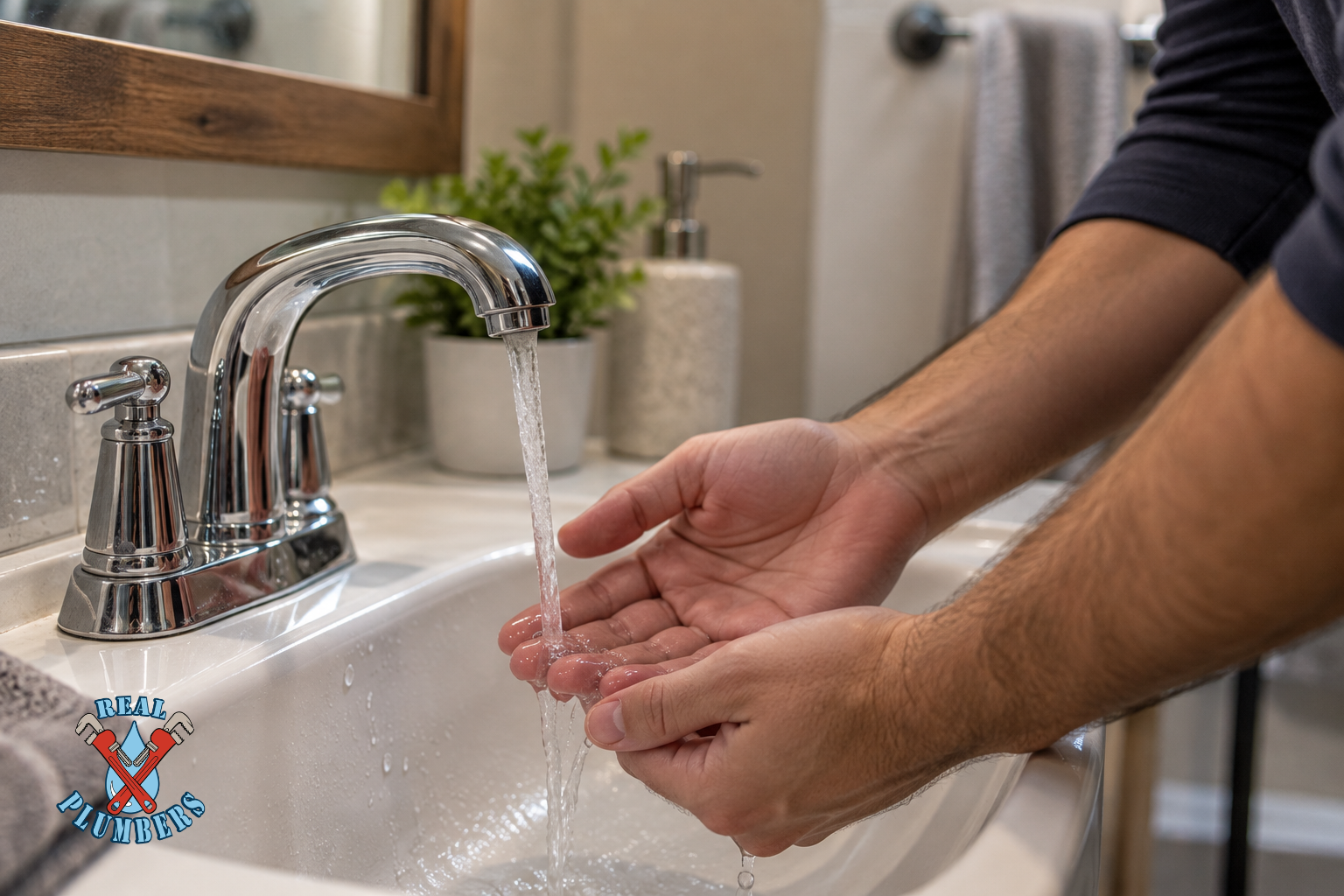
If just one faucet or shower is weak, the issue is probably local. It could be a clogged aerator, a worn cartridge, or buildup inside the fixture itself. If the whole house feels underpowered, the problem is likely in the main plumbing line, pressure regulator, shutoff valve, or supply side. A whole-house issue needs a faster response because it might mean a leak or equipment failure.
Pressure and Flow Are Related but Not Identical
People often mix up pressure and flow, but they're different. Pressure is the force pushing water through your pipes, while flow is how much water actually comes out of the fixture. A fixture can have good pressure but poor flow if sediment, corrosion, or debris narrows the path. Knowing the difference helps you avoid guessing and move toward the right repair.
Sudden Changes Matter More Than Gradual Changes
A slow, gradual weakening often points to buildup or aging plumbing. A sudden drop is more worrying because it can happen after a valve adjustment, a pipe break, a street-side utility issue, or a failed component. If the change happened quickly, start with the simplest checks first, then consider more serious possibilities like hidden leaks or line damage.
For more on household water system performance, the U.S. Environmental Protection Agency offers helpful guidance through its WaterSense program. They provide practical tips for efficient water use and fixture maintenance. This information can help homeowners understand why pressure issues sometimes appear alongside other plumbing inefficiencies.
Quick Checks You Can Do Before Calling a Plumber
Check If the Issue Is Isolated to One Fixture
Start by testing multiple faucets, showers, and appliances. If only one fixture is affected, the problem might be as simple as a clogged aerator or showerhead. Remove the aerator and look for sand, white mineral flakes, or debris. Cleaning that small part can sometimes restore normal flow within minutes.
Check the Main Shutoff Valve and Fixture Valves
A partially closed shutoff valve can reduce pressure throughout a home. After plumbing work, repairs, or even routine maintenance, a valve might be left partly closed. Make sure the main water shutoff is fully open, and that under-sink or toilet supply valves aren't turned halfway. A valve that's stiff, corroded, or leaking might need professional attention.
Look for Signs of a Hidden Leak
If pressure drops and you also notice damp drywall, unexplained water stains, musty smells, or a sudden spike in your water bill, there might be a hidden leak. Leaks can steal pressure before they become obvious. In that case, prompt water leak repair can protect your home from structural damage and prevent the problem from worsening.
Ask If Nearby Work or Outages Are Affecting Supply
Sometimes low pressure is caused by temporary utility work, hydrant flushing, or a neighborhood water supply issue. If neighbors are experiencing the same thing, the source might not be inside your home. Local water providers often post updates when service interruptions or maintenance activities are underway, so it's worth checking before you assume you have an internal plumbing failure.
Also, the American Water Works Association offers resources on distribution systems and pressure management at awwa.org. This technical guidance can be useful if you want to understand how pressure fluctuations outside the home can still affect indoor fixtures.
Common Plumbing Causes of Low Pressure
Mineral Buildup Inside Pipes and Fixtures
Hard water can leave mineral deposits in aerators, showerheads, and older pipes. Over time, this buildup narrows the water pathway and reduces flow. If you live in an older property, especially one with aging galvanized piping, buildup can be significant enough to restrict pressure in multiple rooms. Cleaning fixtures can help, but long-term buildup inside the pipe system often requires professional repair.
A Failing Pressure Regulator
Many homes have a pressure-reducing valve, also called a pressure regulator, that keeps incoming water pressure at a safe level. When this device fails, the pressure may drop suddenly or fluctuate throughout the day. A faulty regulator is one of the most common reasons homeowners notice an entire home suddenly losing strength at multiple fixtures. If this component is the issue, water pressure regulator repair is often the most direct solution.
Corrosion or Aging Supply Lines
Older metal pipes can corrode from the inside, which reduces the pipe’s diameter and restricts water movement. This can create weak shower pressure, slow sink flow, and poor appliance performance. In severe cases, corroded pipes also increase the risk of leaks and discolored water. When corrosion becomes widespread, repairs may need to be paired with pipe replacement or a larger plumbing upgrade.
Partially Blocked Supply Lines
Debris can enter the line after plumbing work, a municipal disruption, or a repair that temporarily exposed the system. Small fragments of scale, rust, or sediment can lodge in faucet cartridges, shutoff valves, and supply tubes. If pressure suddenly changes after a fixture was serviced, the issue might be an internal blockage rather than a main supply problem.
For homeowners who want a deeper reference on plumbing materials and system standards, the National Association of Home Builders and other industry resources discuss why older plumbing components behave differently over time. While not a repair guide, that context helps explain why older homes are more vulnerable to pressure loss.
When the Water Heater Is Part of the Problem
Hot Water Pressure Can Feel Weaker Than Cold Water Pressure
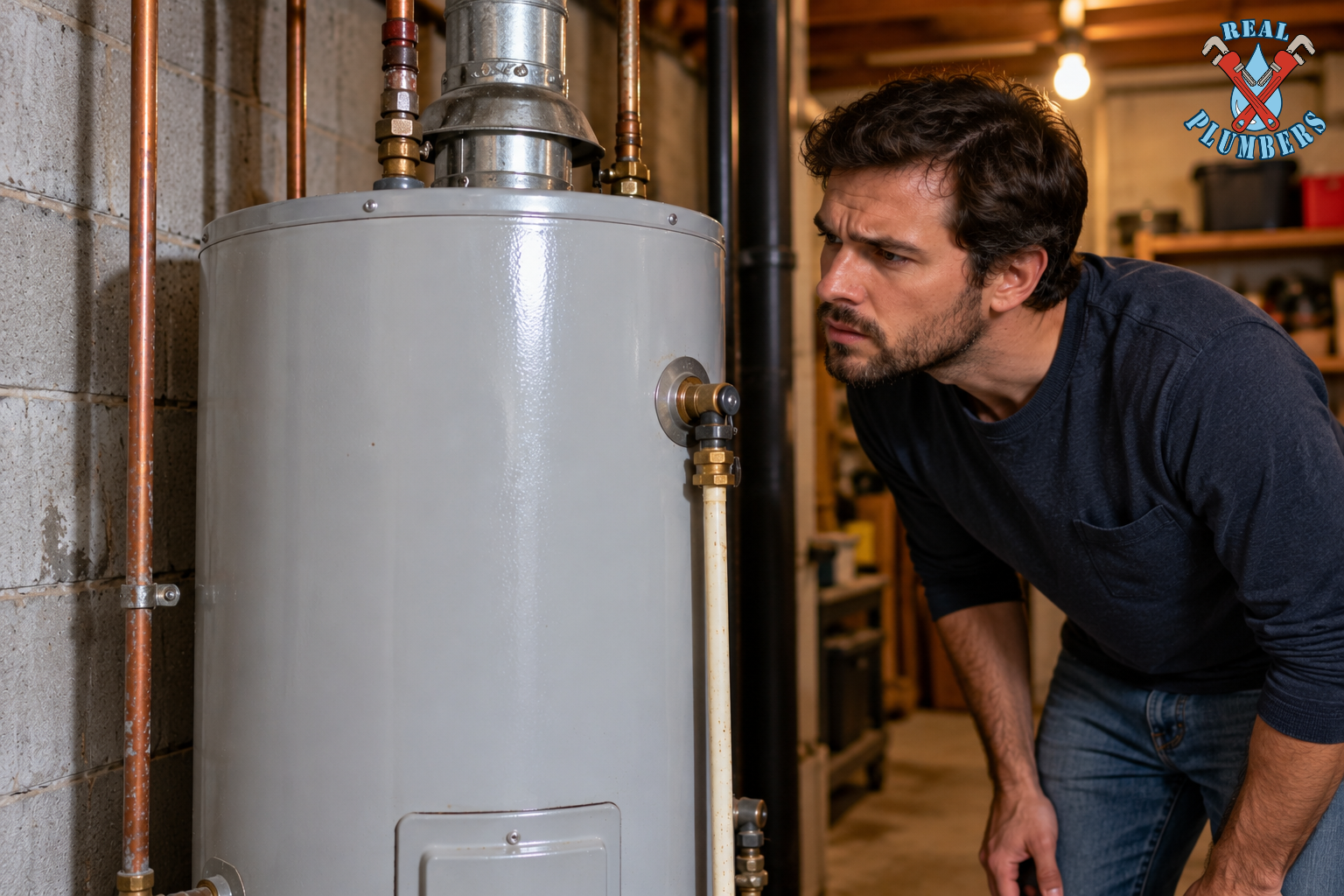
If cold water seems fine but hot water is weak, your water heater or its connected lines may be restricting flow. Sediment inside a tank can reduce performance, while scale in a tankless system can narrow water passages and strain the unit. This is especially common in areas with mineral-heavy water and in homes that have gone years without maintenance.
Valves, Flex Lines, and Internal Buildup Can All Reduce Performance
A water heater problem doesn't always mean the tank itself is failing. In some cases, partly closed valves, old flex connectors, or buildup in nearby piping cause the restriction. If you hear popping, rumbling, or sizzling from the heater, those sounds may indicate sediment accumulation affecting both efficiency and water delivery. Our water heater repair service can help diagnose whether the issue is related to the heater, the supply lines, or both.
Replacement May Be Smarter Than Repeated Repairs
When a unit is old and frequently underperforming, replacement may provide a better long-term fix than repeated service calls. A failing heater can contribute to unstable pressure, uneven temperature, and inconsistent hot water availability. If your system is beyond practical repair, water heater replacement may restore dependable performance and reduce future downtime.
The U.S. Department of Energy offers consumer-friendly information on water heating efficiency and maintenance at energy.gov. This resource is useful if you're trying to understand how sediment, age, and equipment type affect hot water delivery and energy use.
How to Tell If It’s a Leak, a Clog, or a Pressure Device
Leaks Usually Cause Broader Warning Signs
A leak may not always create obvious flooding. Instead, it can quietly lower pressure while increasing your water usage. Clues include wet cabinets, ceiling staining, warm spots on floors, sounds of running water when no fixtures are open, or a water meter that keeps moving. If you suspect a leak behind a wall, under a slab, or near a fixture, quick inspection is important.
Clogs Create Fixture-Specific Weakness
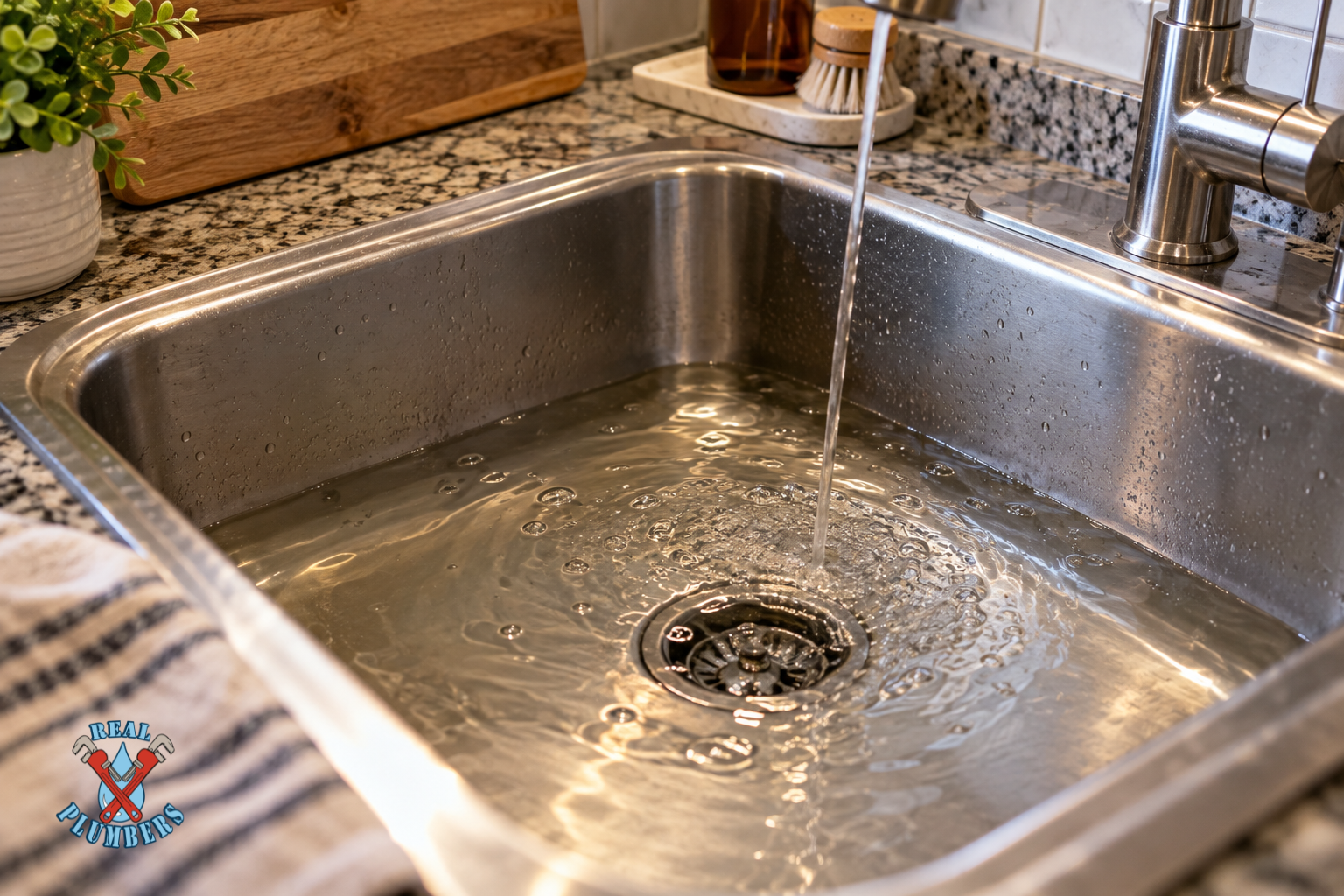
If water is weak only at a kitchen sink or shower, the issue may be localized buildup. In kitchens, grease and food residue can slow flow over time, while showerheads often clog with mineral scale and hair. A targeted drain or fixture service may restore performance. For example, kitchen sink clog and shower clog services can address common restrictions that are often mistaken for full plumbing pressure loss.
Pressure Devices Affect the Whole System
When every fixture in the home changes at once, the problem often points to a system-wide pressure device or main supply issue. Pressure regulators, main shutoff valves, and municipal supply conditions are all possible contributors. If several fixtures changed at the same time, don't focus only on one faucet. The real answer is usually deeper in the plumbing system.
The International Association of Plumbing and Mechanical Officials, or IAPMO, provides industry standards and education that explain how safe plumbing systems are designed. You can learn more at iapmo.org. Standards-based guidance matters because pressure control is part of keeping plumbing systems both functional and safe.
Why Sudden Low Pressure Can Become a Bigger Repair
Small Problems Rarely Stay Small for Long
What begins as weak flow at one sink can eventually affect the whole home if buildup, corrosion, or a failing regulator is left alone. In some cases, pressure loss is the first visible sign of a pipe that is close to leaking or a valve that is already failing. Addressing the problem early often keeps the repair simple and the cost more manageable.
Low Pressure Can Hide Pipe Damage
Homeowners sometimes treat low pressure as an annoyance instead of a warning. That can be a mistake if the issue is caused by a cracked pipe, a pinhole leak, or a failing supply line. Because pressure loss and water loss can happen together, the symptoms may be subtle at first. A professional inspection can identify where the system is losing performance before the damage spreads.
Appliances and Fixtures Can Wear Faster
Dishwashers, washing machines, tankless systems, and irrigation equipment all rely on stable water delivery. If pressure is too low, those appliances may cycle inefficiently, run longer, or fail to operate as intended. That means a plumbing issue can create secondary damage or shorten the lifespan of expensive equipment. Restoring proper pressure protects more than just comfort.
How a Professional Plumber Diagnoses the Issue
Pressure Testing and Fixture Isolation
A licensed plumber will usually start by checking pressure at multiple points in the home. This helps determine whether the issue is at a single fixture, a branch line, or the whole supply system. By isolating sections one at a time, the plumber can narrow the cause without unnecessary guesswork. That approach saves time and avoids replacing parts that aren't actually failing.
Inspecting the Regulator, Valves, and Visible Piping
The next step is often a close inspection of valves, regulators, exposed lines, and any signs of corrosion or leakage. In some homes, the problem is easy to spot once the system is opened and tested properly. In others, the issue is hidden behind walls or below the slab, which may require more advanced diagnostics. That is when professional equipment becomes especially valuable.
Evaluating Whether Cleaning, Repair, or Replacement Is Best
Not every pressure issue needs a full replacement. Sometimes cleaning an aerator or replacing a cartridge is enough. Other times, the plumbing system needs a new regulator, line repair, or replacement of a heavily corroded section. A good plumber should explain the options clearly and help you choose the fix that makes the most sense for your home and budget.
If the pressure issue is tied to broader drainage or line restrictions, our sewer and drain repair team can also assess whether the system has larger underlying problems. That kind of whole-system thinking is often what separates a temporary patch from a lasting repair.
Prevention Tips That Help Avoid Future Pressure Problems
Schedule Routine Plumbing Maintenance
Regular maintenance catches small issues before they become service calls. That can include inspecting valves, checking for leaks, testing pressure, and cleaning fixtures that tend to collect sediment. Homes with older plumbing especially benefit from periodic checks because aging parts are more likely to fail without much warning. Preventive service is often far less expensive than emergency repair.
Flush or Clean Fixtures That Clog Easily
Aerators and showerheads should be cleaned when flow begins to weaken. In homes with hard water, this may need to happen more often than people expect. Keeping fixtures clear helps the plumbing system deliver better performance and can make it easier to spot a deeper problem if one develops later. Simple cleaning tasks are a practical first layer of protection.
Know When to Upgrade Aging Components
If you constantly repair the same valves, faucets, or supply lines, the system may be telling you it's time for an upgrade. Repeated failure is often a sign that the underlying material is at the end of its lifespan. Upgrading worn components can improve pressure, reduce leak risk, and make the entire plumbing system more reliable. In some cases, pairing repairs with a fixture update or pipe replacement gives the best long-term result.
Consider Whole-Home Protection Options
Pressure-related issues sometimes develop alongside other household plumbing concerns such as leaks, gas safety risks, or brittle old fixtures. Depending on the property, additional preventive services may make sense. Homeowners who want broader protection may also look into gas earthquake valve installation as part of a larger safety-minded maintenance plan, especially in seismic regions where preparedness matters.
Frequently Asked Questions About Sudden Low Water Pressure
Why Is My Water Pressure Low Only in the Shower?
This usually means the problem is limited to the showerhead, valve, or hot-water supply to that fixture. Mineral buildup and cartridge wear are common causes. Cleaning the showerhead or repairing the valve often solves it. If the pressure changes between hot and cold, the heater or hot side of the plumbing may be involved.
Can Low Pressure Be Caused by the City Supply?
Yes. Municipal work, hydrant flushing, or temporary supply interruptions can affect pressure throughout a neighborhood. If multiple neighbors report the same problem, the issue may not be inside your home. When the utility service returns to normal and your pressure remains low, it's time to look at the home plumbing system.
Is Low Water Pressure Dangerous?
Low pressure itself is usually not an immediate danger, but it can be a warning sign. A hidden leak, failing regulator, or corroded pipe can create more serious damage if ignored. If the pressure drop is sudden and unexplained, it's wise to investigate quickly rather than wait for a bigger failure.
Will a New Water Heater Fix Low Pressure?
Only if the heater is the actual source of the problem. If hot water pressure is weak because of sediment, a failing tank, or blocked lines, repair or replacement may help. But if the issue is in the main supply, a new heater won't solve it. That's why a careful diagnosis is so important before replacing major equipment.
When to Call Real Plumbers
Call Sooner If the Pressure Drop Is Sudden or Widespread
If several fixtures weaken at once, or if the problem appeared suddenly, professional diagnosis is the safest route. Sudden pressure loss can be a sign of a hidden leak, a failed pressure regulator, or a deeper supply issue. The sooner you identify the cause, the easier it is to protect your plumbing system and avoid property damage.
Call If You Notice Noise, Leaks, or Temperature Swings
Gurgling, banging, rust-colored water, or water temperature fluctuations can all point to a plumbing issue that needs more than DIY cleanup. These symptoms often go together with pressure problems and can help a plumber find the source faster. In homes with multiple plumbing concerns, a full inspection is often the most efficient next step.
Call for Honest Answers and Lasting Repairs
Real Plumbers has helped homeowners and businesses across Southern California handle plumbing repairs with straightforward service and practical solutions. Whether the issue is a faulty regulator, a hidden leak, a damaged line, or a water heater concern, the goal is the same: restore reliable water delivery with minimal disruption. If you need help with low water pressure, contact Real Plumbers at (323) 821-7922 or visit realplumbersinc.com to get started.
For homeowners who want dependable, long-term plumbing support, working with a team that understands both diagnosis and repair can make all the difference. From fixture-level fixes to system-wide solutions, the right plumber can turn a frustrating pressure problem into a manageable repair and help keep your home running the way it should.
Conclusion: Get to the Root of Low Water Pressure Early
Sudden low water pressure is more than an inconvenience. It can point to mineral buildup, a failing regulator, a hidden leak, a clogged fixture, or a water heater problem, and the right fix depends on identifying where the loss begins. By checking fixtures, valves, leaks, and hot-water performance, you can often narrow the issue before calling for help.
The most important thing is not to ignore a sudden change. Pressure problems often start small but can lead to bigger damage if left alone. When you need a professional plumber in Los Angeles, CA, Real Plumbers is ready to help you find the cause, explain your options, and get your water flowing properly again.
Need help now? Reach out today for expert plumbing service, clear communication, and a solution built to last.