Ever been in the middle of a nice, warm shower only for the water to turn icy co ld? Or maybe your dishwasher doesn’t quite sanitize as it used to? If these sound familiar, your water heater might be trying to tell you something. Often, it’s not just about comfort but a sign that your system might be losing its steam, building up gunk, or just getting old. Before you keep pouring money into fixes, it’s good to know when a water heater repair can solve the issue and when it’s time for a new one.
This guide breaks down why you might be running out of hot water too quickly, how to spot a problem that can be fixed versus one that needs a complete swap, and what to expect if you need a replacement. Plus, we dive into some maintenance tips that can help extend your heater’s life and touch on safety tips for both gas and electric models. For more on energy use and efficiency standards, check out the U.S. Department of Energy’s resources at energy.gov.
Why Hot Water Runs Out So Fast
1. Sediment buildup inside the tank
Over time, minerals naturally settle at the bottom of tank-style water heaters. This sediment acts like a blanket over the burner or heating element, making it harder for heat to reach the water. This situation not only reduces efficiency but also limits the amount of hot water available. You might hear rumbling sounds, notice longer times for water to reheat, or experience water that doesn’t get as hot as it should.
2. An undersized water heater for your household
Sometimes, the problem isn’t that the heater is broken; it might just be too small for your needs. As families grow or you add more fixtures like bathrooms or laundry machines, an older unit might struggle to keep up. If everyone in the house is using hot water at once, it might not last long enough. In these cases, a properly sized replacement or upgrading to a tankless water heater might be the way to go.
3. Failing heating components
Electric heaters rely on heating elements and thermostats, while gas models use burners and gas control parts. If any of these components start to fail, you might notice uneven heating or not enough hot water to go around. This can often lead to the assumption that the tank is fine, when in reality, it’s starting to break down internally.
Signs Your Water Heater May Be Near the End
1. The unit is older than expected
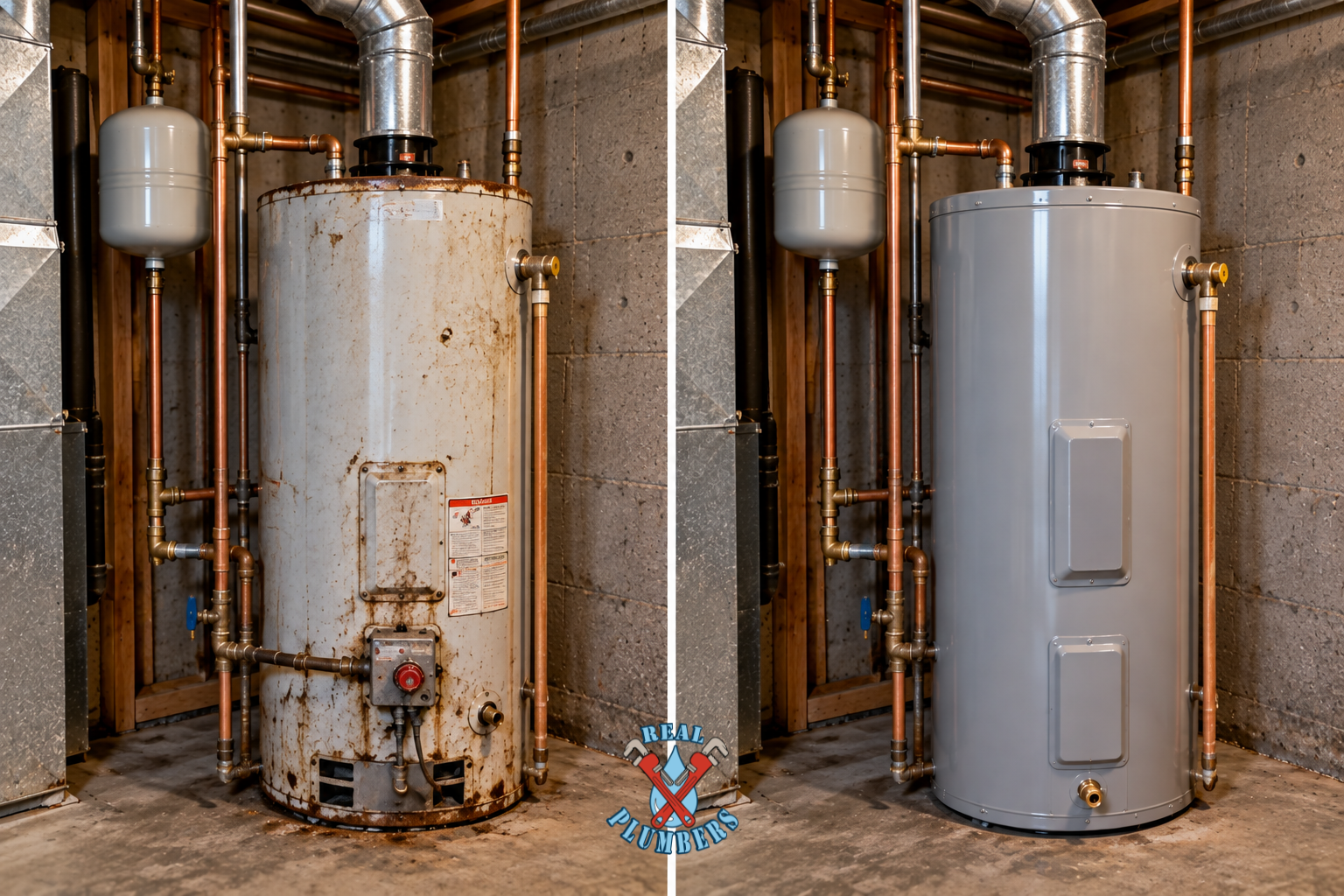
Most tank water heaters last about 8 to 12 years, depending on water quality, maintenance, and usage. If your heater is in that age range or older and keeps having issues, it might be more about wear and tear than a one-time glitch. Once a tank ages, corrosion, leaks, and efficiency loss usually occur together, meaning replacement might be a better solution than constant repairs.
2. Hot water recovery takes too long
Recovery time is how long it takes for the heater to reheat water after it’s been used. If you notice it takes longer between showers or the water doesn’t fully heat, it’s a clear sign of declining performance. This is crucial because it shows the heater can’t keep up with demand even when no one's using a lot of water.
3. Rusty water or visible corrosion
Rusty water can indicate corrosion inside the tank or in connected pipes. If the tank is corroding, it’s a serious issue as internal rust often leads to leaks or failure. Don’t ignore visible rust around fittings, the base, or pressure relief valves, especially if you’ve already had repairs. At this point, replacement is usually the safer, more cost-effective choice.
When Repair Still Makes Sense
Minor parts can sometimes be replaced.
Not all hot water problems mean you need a new tank. Sometimes, a faulty thermostat, worn heating element, or gas control issue can be repaired, especially if the heater isn’t too old. If the tank’s in good shape and the problem is isolated to one part, repairing it can restore performance without the cost of a full replacement. Scheduling a professional water heater repair is often a good first step.
Isolated issues are different from system-wide failure
The key is figuring out if the issue is a one-off or part of a bigger pattern. A one-time pilot light outage or failed thermostat can happen without meaning the whole unit is toast. But if you’re seeing leaks, temperature swings, noise, and slow recovery all at once, repair might just be delaying the inevitable. A qualified plumber can help determine if a single fix will truly solve the problem or just buy a little time.
Professional testing can save money
Sometimes, homeowners replace their water heaters too soon because they’re guessing what’s wrong. A proper inspection can check for sediment, thermostat issues, burner performance, and signs of internal corrosion. This can help you avoid unnecessary replacements and save money if a repair would do the trick, or steer you clear of wasting money on repeated service calls.
When Replacement Is the Better Investment
Frequent repairs add up quickly
If your heater needs several repairs in a short time, costs can start to add up, sometimes nearing the price of a new unit. This is especially true if parts are hard to find or the unit is older and less efficient than today’s models. Eventually, it makes more sense to stop paying for temporary fixes and invest in a system that will provide reliable hot water for years.
Leaks are a major warning sign
Even a small leak can signal tank failure, and leaks rarely fix themselves. A loose fitting or valve might be repairable, but a leaking tank usually means the tank itself is compromised. If you see water pooling under the heater or moisture returning after cleanup, get it checked out quickly before it damages your home. In more serious cases, water heater replacement is often the most practical step.
Energy bills can reveal hidden inefficiency
An old heater often works harder to produce less hot water, leading to higher utility bills even if it seems to function okay. Newer models are generally much more efficient, so replacing an old heater can cut operating costs over time. According to the U.S. Environmental Protection Agency’s ENERGY STAR program, high-efficiency water heaters can significantly boost energy performance compared to older systems. More details can be found at energystar.gov.
How to Compare Repair vs. Replacement
Use age, symptoms, and cost together
The best decision comes from seeing the full picture. If the water heater is under 8 years old, the problem is isolated, and the repair cost is low, repairing is often the logical choice. If the unit is older, has visible corrosion, or has a history of repeat failures, replacement usually offers better value. A simple rule of thumb is to weigh the repair estimate against the remaining lifespan of the system and the risk of another breakdown.
Think beyond the immediate bill
It might be tempting to choose the cheapest option now, but that doesn’t always mean it’s the best choice in the long run. A cheap repair on an old unit might lead to another service call soon, plus more hot water interruptions. Replacement might cost more upfront, but it can improve reliability, lower energy use, and reduce the chance of failure later on.
Consider household needs and future plans
If your family has grown or you plan to stay in your home for a while, replacement decisions should reflect future usage, not just current needs. A larger tank, a tankless upgrade, or better efficiency settings might offer better comfort and lower long-term costs. This is especially relevant if you're upgrading to a tankless water heater when an older unit no longer meets demand.
What Happens During a Water Heater Replacement
Inspection and sizing come first
A good replacement starts with looking at your hot water needs, fuel type, space, and plumbing connections. The goal is to match the new system to what your home actually needs, not just replace it with something similar. Proper sizing prevents the same problems from coming back and ensures the heater can support showers, sinks, laundry, and appliances without delay.
Removal of the old unit
Once the new system is chosen, the old heater is disconnected, drained, and safely removed. This can reveal additional issues like corrosion, damaged valves, sediment discharge, or outdated venting. Clean removal is important because older systems may have built up scale and debris that should be cleared out. Professional installation also ensures connections, permits, and safety requirements are handled correctly.
Installation and testing
After the new water heater is placed, the plumber connects water lines, gas or electrical service, venting, and safety components. The system is then tested for leaks, temperature, and proper operation. A thorough installation should give you steady hot water, clear maintenance instructions, and confidence that your unit is ready for daily use. For those wanting a more efficient solution, a well-installed replacement can be a worthwhile home upgrade.
How to Extend the Life of a New Water Heater
Schedule routine maintenance
Annual maintenance can boost performance and help a heater last longer. Flushing sediment, checking the anode rod, inspecting valves, and testing temperature settings can all reduce wear. Maintenance also gives you a chance to catch minor issues early, before they become big problems. Proactive homeowners often get more value from their equipment than those who wait until something breaks.
Keep water pressure under control.
High water pressure can strain fixtures, pipes, and the water heater itself. If your plumbing pressure is too high, the heater might be working under unnecessary stress, which can shorten its life. In some homes, a failing pressure regulator is part of the problem, especially when noisy pipes, leaking fixtures, or erratic flow appear at the same time. If that's the case, a professional water pressure regulator repair might protect both the heater and the rest of the plumbing system.
Watch for early warning signs.
Unusual sounds, rusty water, weak hot water output, and slow recovery should never be ignored. These symptoms often start small and then get worse over time. Addressing them early can help avoid a full breakdown and reduce the chance of water damage. Homeowners who take these warning signs seriously usually have more control over timing, cost, and replacement options than those who wait for a complete failure.
Safety and Efficiency Considerations
Gas water heaters need special attention.
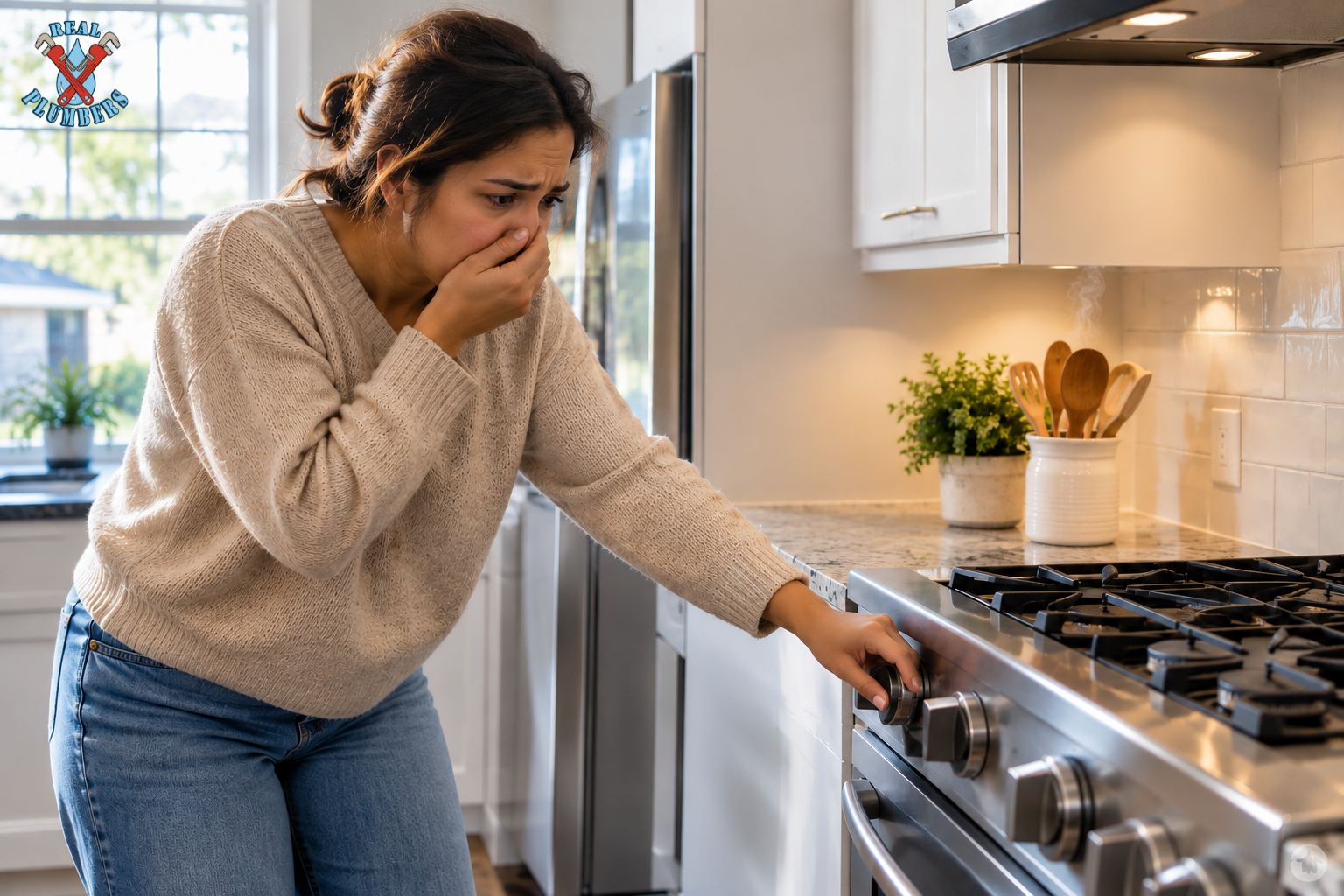
If your system uses gas, safety should always be part of the discussion. Problems with venting, burner operation, or gas supply can create serious hazards, which is why any suspicious odor or performance issue should be evaluated quickly. For general gas safety guidance, the U.S. Consumer Product Safety Commission provides useful information at cpsc.gov. If you ever suspect a gas leak, leave the area and seek immediate help before using any appliances or switches.
Seismic protection matters in California
In earthquake-prone regions, homeowners should also think about gas shut-off protection. A properly installed gas earthquake valve can help reduce risk during seismic activity by shutting off gas flow if the home is shaken beyond a set threshold. That kind of safeguard is especially valuable when upgrading or replacing aging equipment since it adds an extra layer of protection to the property. If you are planning a broader safety upgrade, consider gas earthquake valve installation as part of the project.
Efficiency should guide your next purchase.
Newer units often offer better insulation, quicker recovery, and smarter energy use. Choosing an efficient model can reduce monthly costs while improving comfort. In many homes, the right replacement does more than restore hot water—it makes the whole plumbing system work better. That’s why replacement should be seen not just as a repair decision but as an opportunity to improve your home’s long-term reliability.
Frequently Asked Questions
How long should a water heater last?
Most tank water heaters last about 8 to 12 years, though some last longer with excellent maintenance and favorable water conditions. Tankless systems often last longer, but they also need regular care. If your heater is reaching the end of its expected lifespan and performance is declining, replacement is usually the wiser decision.
Why does my hot water run out faster in winter?
Colder incoming water takes more energy and time to heat, so the system may seem weaker during the winter months. That does not always mean the heater is failing, but it can expose borderline performance. If the unit was already struggling, colder weather may make the problem more obvious.
Can flushing a tank fix the problem?
Flushing sediment can improve efficiency and restore some performance if buildup is the main issue. However, flushing will not fix a corroded tank, broken heating element, or undersized system. It is a useful maintenance step, but not a cure-all.
Should I repair or replace my heater if it leaks a little?
That depends on where the leak is coming from. A valve, fitting, or connection may be repairable, but a leaking tank usually means replacement is necessary. Because leaks can escalate quickly, it is best to have the unit inspected as soon as possible.
Conclusion: Don’t Wait for a Complete Breakdown
Running out of hot water too fast is more than a daily annoyance. It can be a sign that your water heater is aging, undersized, inefficient, or beginning to fail. By paying attention to symptoms like slow recovery, rusty water, strange noises, and recurring leaks, you can make a smarter decision before an emergency forces your hand.
If the problem is minor, a repair may restore performance and buy you more time. If the heater is old, corroded, or repeatedly failing, replacement usually offers better value, better efficiency, and more reliable comfort. The best next step is a professional evaluation so you can understand your options clearly and avoid guesswork.
For trusted help with hot water problems, maintenance, repairs, and full system replacement, contact Real Plumbers at realplumbersinc.com or call (323) 821-7922. If your home also has drain issues or fixture problems, our team can help with clogged drains and faucet repair so your plumbing system stays dependable from top to bottom.