Hidden water leaks can be a homeowner's nightmare. These sneaky issues often creep up without any obvious signs, quietly causing damage long before you notice that damp spot. A tiny leak tucked away behind a wall or under a floor can waste water for weeks while it slowly wreaks havoc on your home. Knowing how to spot the early warning signs can save you a ton of stress and money. If you suspect a leak, reaching out to a trusted water leak repair expert could mean the difference between a quick fix and a major overhaul.
You might not notice a pool of water right away. Instead, your first hint could be a spike in your water bill, a faint musty smell, or peeling paint. The U.S. Environmental Protection Agency notes that household leaks can waste nearly 10,000 gallons of water each year. Even the tiniest leaks can add up to big problems over time. In this guide, we'll cover how these leaks start, what to watch for, how the pros find them, and what you can do to stop the damage in its tracks.
Why Hidden Water Leaks Are a Big Deal
Damage Builds Up Before You Know It
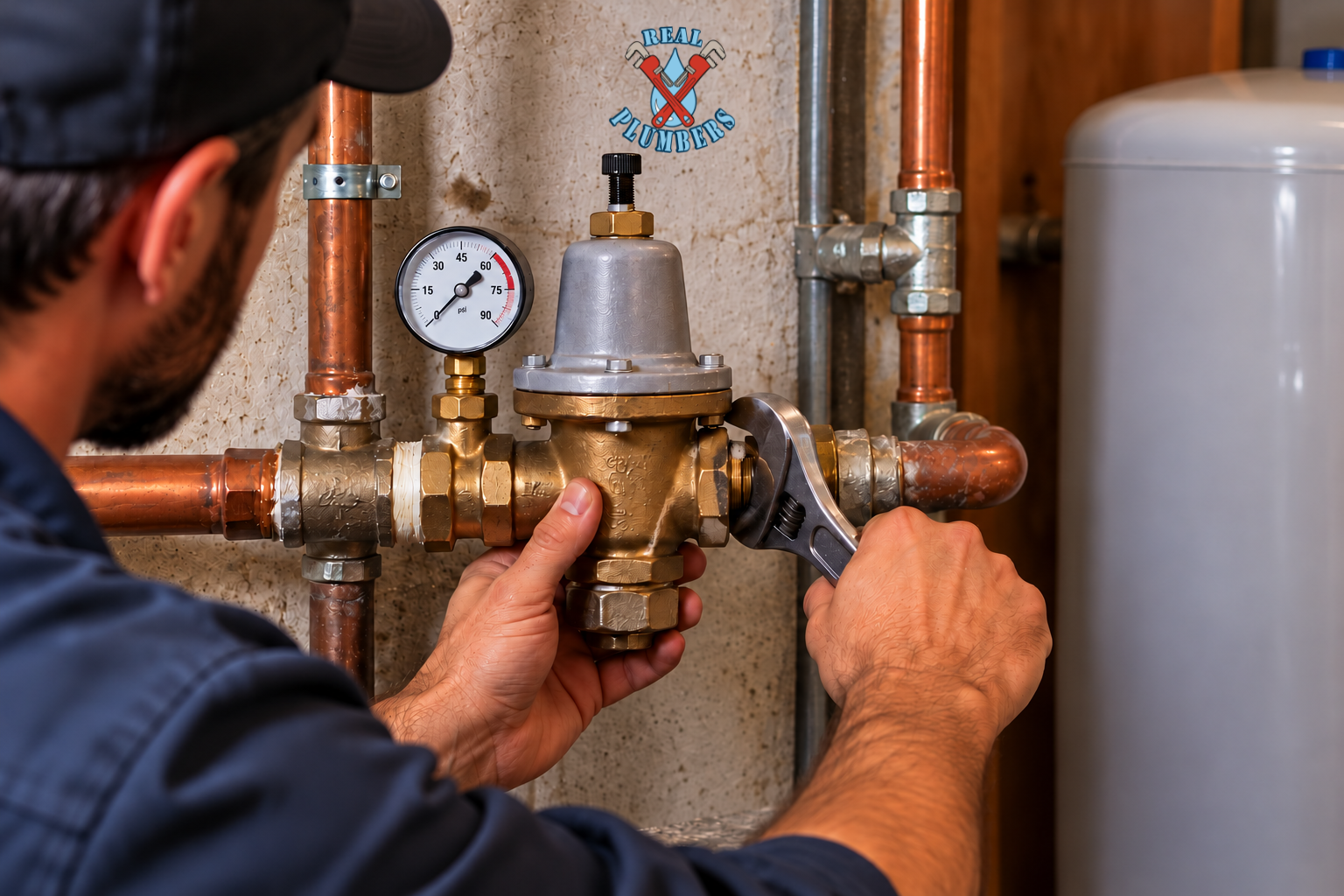
Hidden leaks are tricky because they often start small. A tiny hole in a pipe or a loose connection might only let out a little moisture each day, but over time, that moisture can soak into drywall, wood, and flooring. By the time you see a stain, the damage might already be done. If you notice anything odd with your plumbing, like fluctuating water pressure, consider water pressure regulator repair to prevent stress on the system.
Structural Damage Can Be Pricey
Water is more than just a mess to clean up. It can soften wood, rust metal, warp cabinets, and even cause tiles to loosen. In serious cases, a hidden leak can lead to structural issues that are much more expensive to fix than the leak itself. That's why it's important to treat leaks as urgent issues, not just surface problems.
Mold and Mildew Are No Joke
Damp areas can become moldy fast. Mold and mildew can start growing in just a day or two if conditions are right. They often spread in places you can't see, like behind walls or under sinks. The Centers for Disease Control and Prevention recommends controlling moisture to prevent mold growth. So, fixing the leak should always be your first step. If the leak is near a fixture, repairs like faucet repair or shower valve repair might also be needed.
Spotting the Signs of a Hidden Leak
A Sudden Jump in Your Water Bill
One of the first signs of a hidden leak might be an unexplained increase in your water bill. If you haven't changed your water habits but your bill is climbing, water could be leaking somewhere. Try comparing your current bills to past ones to spot any unusual patterns.
Musty Smells or Damp Air Indoors
If you notice a stale, earthy smell that won't go away, it might be a sign of trapped moisture. This smell often gets worse in enclosed spaces like closets or bathrooms. If a room feels humid or smells damp even after cleaning, you might have a leak feeding mold or mildew.
Paint or Wallpaper Problems
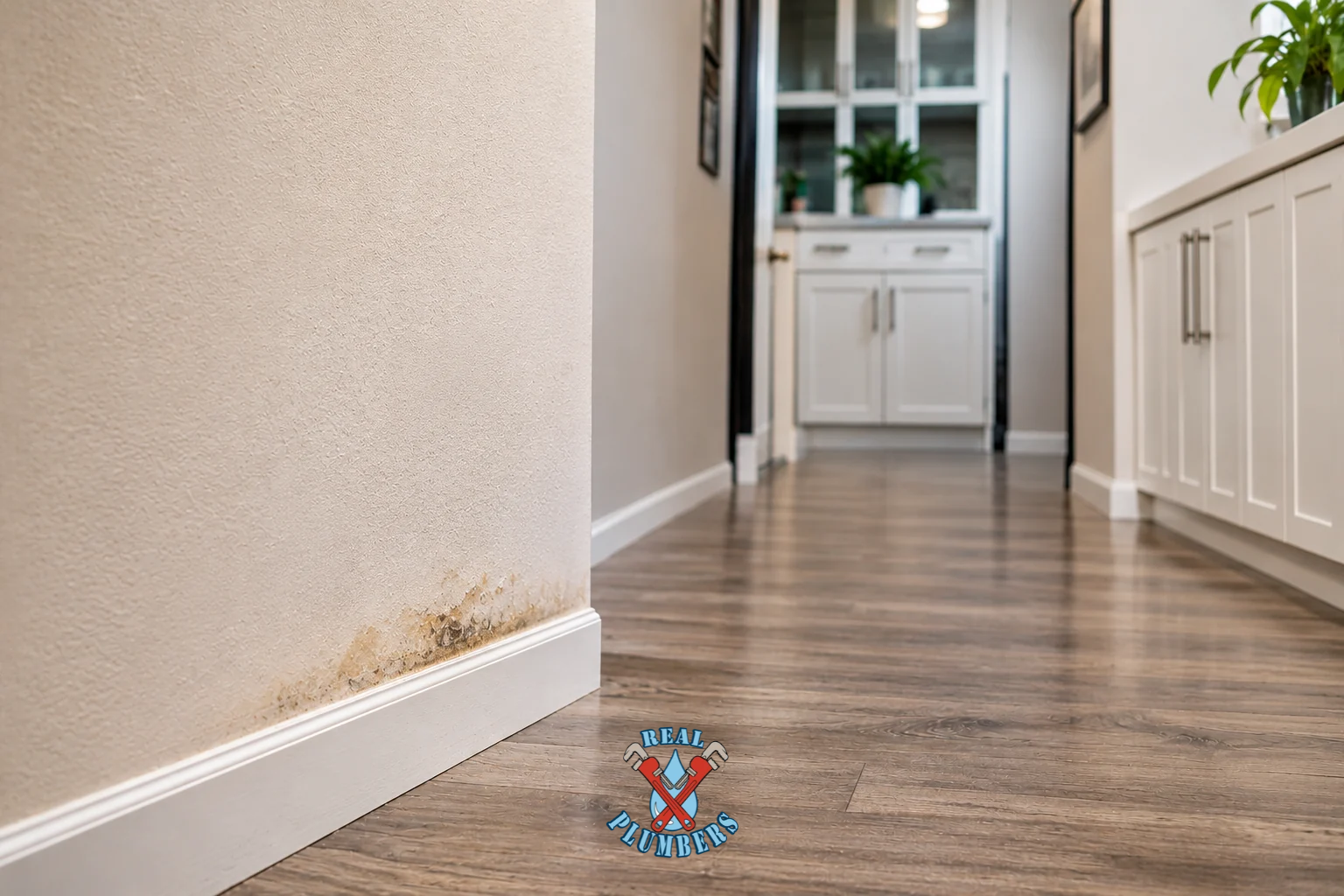
Moisture can make paint and wallpaper bubble, crack, or peel. Floors might start to warp or feel spongy. These aren't just cosmetic issues—they often mean a leak has been around long enough to affect what's underneath.
Water Meter Ticking When Everything's Off
If your water meter is moving even when all fixtures are off, it could point to a leak. Many people don't check their meter until there's a big problem, but it's an easy way to catch leaks early. If the meter keeps moving and you can't find the source, a professional inspection can help.
Common Hiding Spots for Hidden Leaks
Behind Walls and Ceilings
Leaks often lurk behind walls, coming from pipes or fixtures on upper floors. Ceiling stains might mean a leak from an upstairs bathroom or air conditioning line. Since the source is hidden, the visible damage might be far from where the leak started, making it tricky to diagnose.
Under Sinks and Around Fixtures
Cabinets under sinks can hide moisture for ages because small leaks might not be noticed until the wood swells or smells. Loose supply lines, worn seals, and faulty valves are common culprits. In kitchens, a persistent issue around the sink might also involve a kitchen sink clog or a malfunctioning garbage disposal repair.
Below Slabs and Underground
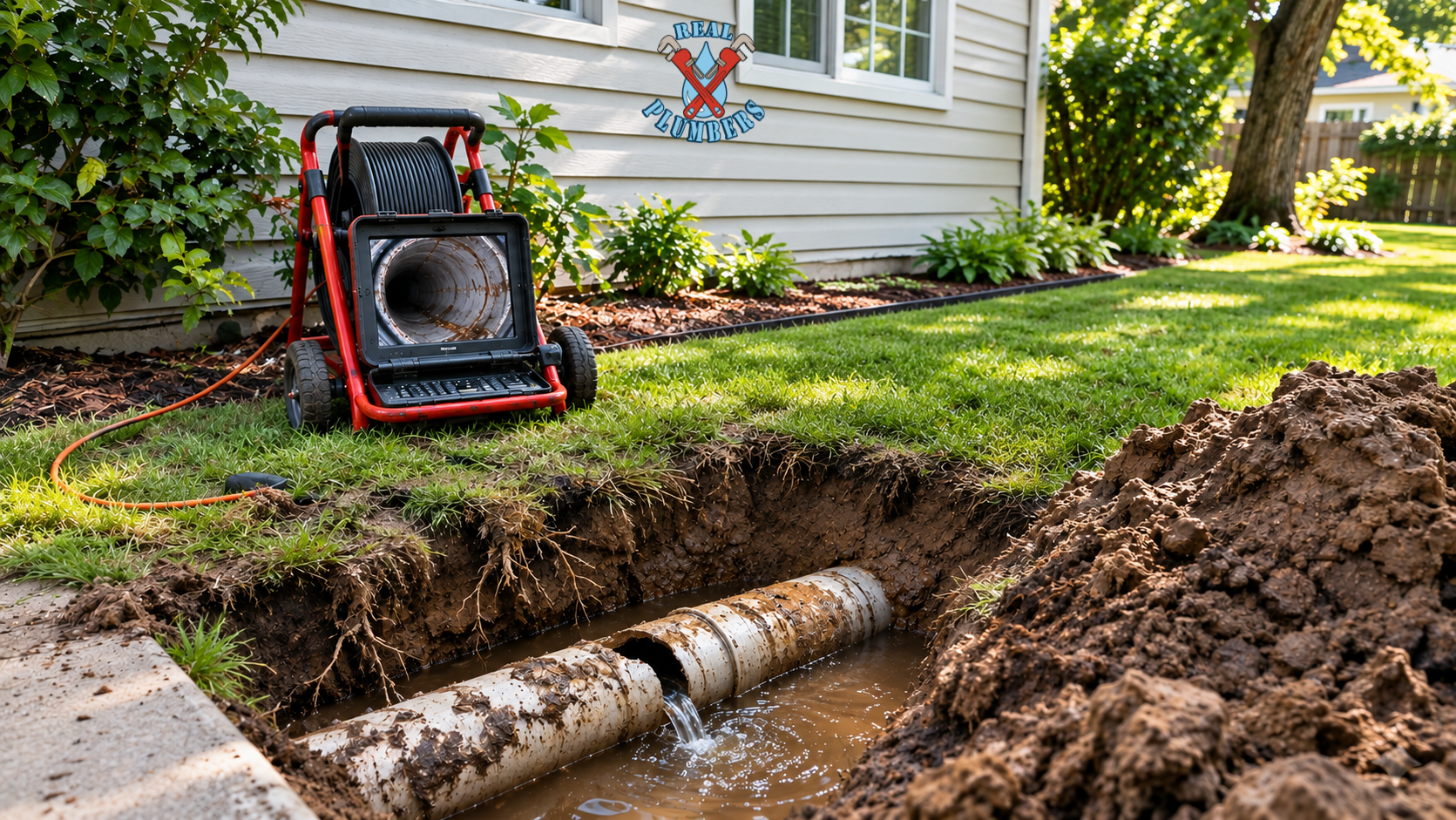
Slab leaks can be especially destructive because they happen under the foundation. Signs include warm floors, unexplained dampness, or the sound of running water under the house. Underground leaks can waste a lot of water and may also lead to soil erosion. In some cases, you might need sewer and drain repair in addition to leak detection.
Around Water Heaters
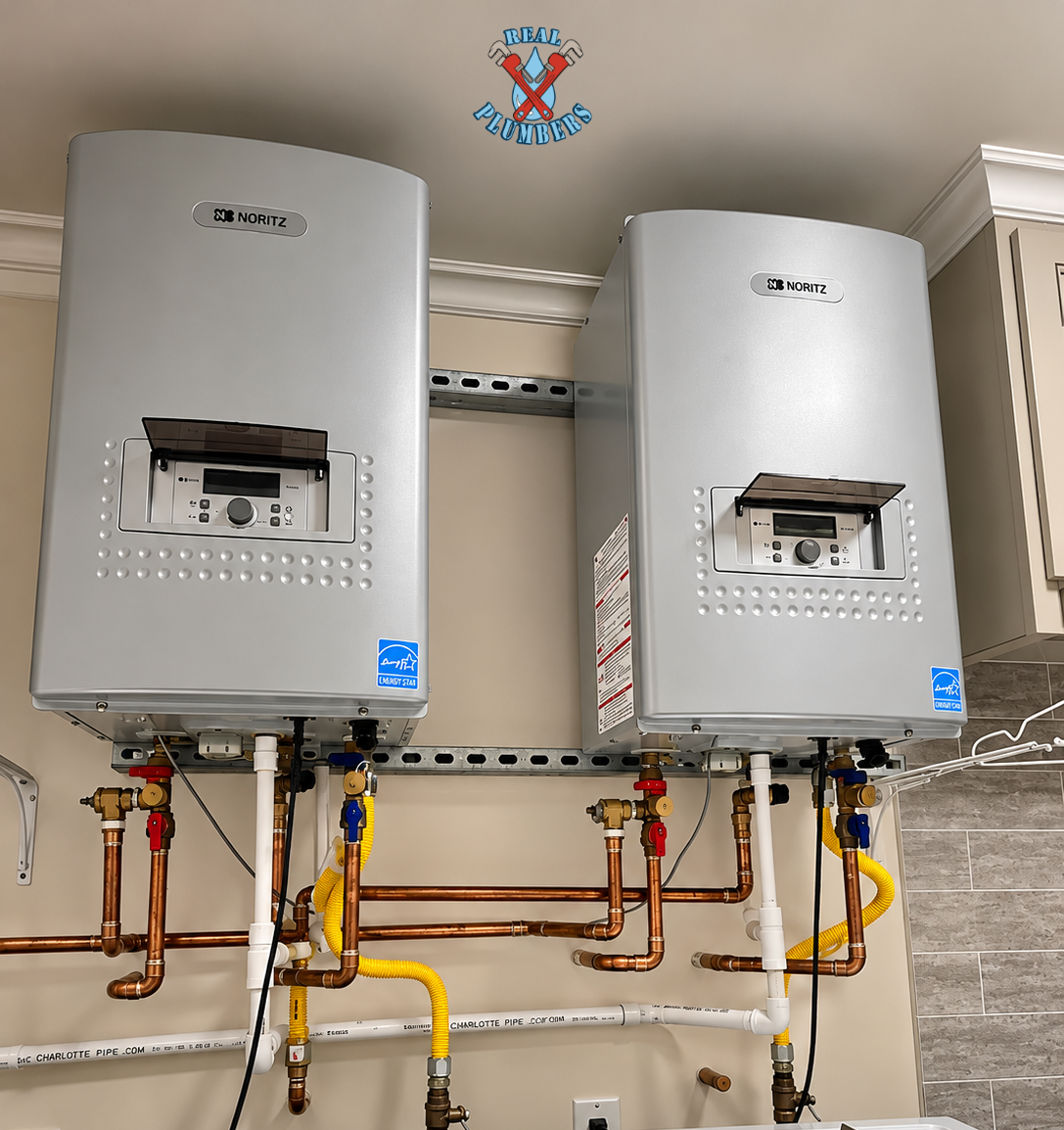
Water heaters are common sources of hidden leaks because of the pressure and heat they handle. Corrosion, loose fittings, and tank failure can all lead to moisture around the unit. If your water heater isn't performing well, water heater repair or water heater replacement might prevent bigger problems later.
How Pros Find Hidden Leaks
Visual Checks and Moisture Tests
Pros start with a visual inspection, but they don't stop there. Tools like moisture meters and thermal imaging help find where water is lurking. These tools can save time and reduce the need for cutting into walls or floors to find the leak.
Thermal Imaging and Sound Detection
Thermal cameras can spot temperature differences caused by water moving through walls or floors. Acoustic equipment can pick up the sound of water escaping. These methods are handy when a leak is hidden behind tile or under concrete, as they help plumbers find the problem more precisely.
Targeted Fixes, Not Unnecessary Demolition
The best approach is usually one that keeps disruption to a minimum. Instead of tearing open multiple areas, a skilled plumber uses evidence to focus on the most likely source. This approach can save time and money. If the issue involves low water flow, consider services like water pressure replacement as well.
Steps to Take If You Suspect a Leak
Turn Off the Water If It's Active
If you suspect a major leak or see water spreading, turn off your main water supply right away. This can help limit further damage while you wait for a plumber. If the leak is minor, just shutting off water to that fixture might be enough until help arrives.
Document the Damage
Take photos of any stains, warped surfaces, or puddles. Write down when you first noticed the issue. This info can help the plumber find the source and might be useful for insurance claims if the damage is significant.
Fix the Cause, Not Just the Symptoms
Covering up a stain or using a dehumidifier might make things look better, but it won't stop the leak. Hidden moisture needs to be dealt with at the source. Start with leak detection and control, then move on to drying and repair.
Repair Options and Preventive Tips
Quick Fixes for Small Leaks
Many hidden leaks come from worn washers, corroded valves, or loose joints. In these cases, a pro can often fix the issue without major work. A fixture leak might just need a valve replacement, while a slab leak might require rerouting pipes.
Consider Overall Plumbing Health
Leaks can be a sign of bigger plumbing issues, especially in older homes. If your home has slow drainage or frequent backups, you might also need help with clogged drains or a main sewer rooter service.
Schedule Regular Inspections
Regular plumbing check-ups can catch small issues before they become big problems. Annual or semi-annual inspections are great for older homes or places with a history of leaks. These can include fixture checks, supply line inspections, and water heater evaluations.
Upgrade Where It Makes Sense
Sometimes the best solution is an upgrade. Smart leak detectors, automatic shutoff valves, and pressure regulation improvements can reduce risk. In earthquake zones, consider a gas earthquake valve installation as part of your safety plan.
Business and Multi-Unit Property Concerns
Business Could Take a Hit
In commercial spaces, a hidden leak can interrupt operations and damage inventory. Restaurants, offices, and retail spaces can't afford downtime. Quick response and clear communication are key if a leak is suspected in a business setting.
Shared Walls Add Complexity
In apartments or multi-tenant properties, a leak in one unit can affect others. Water might travel through shared wall cavities before it shows up. Property managers need a plumber who can document the issue, find the source, and fix it with minimal disruption.
Good Maintenance Saves Money
Regular leak checks help businesses avoid big restoration bills. Scheduling inspections and responding to early signs keeps the plumbing system in good shape. Many property managers combine leak prevention with drain and fixture maintenance to avoid repeat issues.
FAQs About Hidden Water Leaks
Is It a Leak or Just Condensation?
Condensation usually shows up on cold surfaces and changes with the weather, while a hidden leak causes ongoing dampness or musty smells. If moisture appears in the same spot often or gets worse over time, it's likely a plumbing issue. A leak test or professional inspection can clear things up.
Can a Hidden Leak Cause Mold Quickly?
Yes, mold can grow fast when moisture is trapped in a warm space. You might not see mold right away, but the conditions for it can develop quickly. Stopping the leak early lowers the risk of widespread mold.
Who Should I Call First, a Plumber or Restoration Company?
Usually, you should call a plumber first to stop the leak. Once the plumbing issue is under control, drying and repair can start. If the damage is severe, both a plumber and a restoration specialist may be needed.
Can High Water Pressure Cause Leaks?
Yes, high water pressure can strain pipes and fittings, increasing leak risks. If you hear banging pipes or see dripping valves, pressure problems might be part of the issue. A pressure check can show if the system needs adjustment.
Don't Wait for Damage to Spread
Act Early to Save Money and Stress
Hidden leaks are a pain because they can cause major damage before you notice. But the warning signs are usually there if you know what to look for. Keep an eye out for rising water bills, damp odors, and warped surfaces. Acting early can save you money and headaches.
Get Professional Help When Needed
If you're not sure where the problem is, professional leak detection is usually the quickest and most cost-effective step. Real Plumbers can help you find the problem, fix it, and protect your property. If you suspect a hidden leak, get help before it becomes a bigger issue.
For more plumbing tips, check out our guides on sewer line problems, sudden water bill increases, and low water pressure. Ready to tackle your plumbing issues? Contact Real Plumbers at (323) 821-7922 or visit realplumbersinc.com for reliable help.