When to Make the Switch to a Tankless Water Heater in Los Angeles
Thinking about upgrading to a tankless water heater? It could be one of the best decisions for your home's plumbing, but timing is everything. If you're tired of inconsistent hot water, dealing with an old system, or your utility bills are creeping up, it's worth checking out water heater replacement or tankless water heater installation as part of your plan.
Many people look into tankless water heaters because they want more efficiency and space. This trend is growing as manufacturers improve these systems, reducing wasted energy and offering options for different home sizes. The U.S. Department of Energy notes that water heating is a major home energy expense, so choosing the right system is crucial for savings. For more on home energy use, check out the Department of Energy’s water heating guidance.
What Sets Tankless Water Heaters Apart?
How They Work
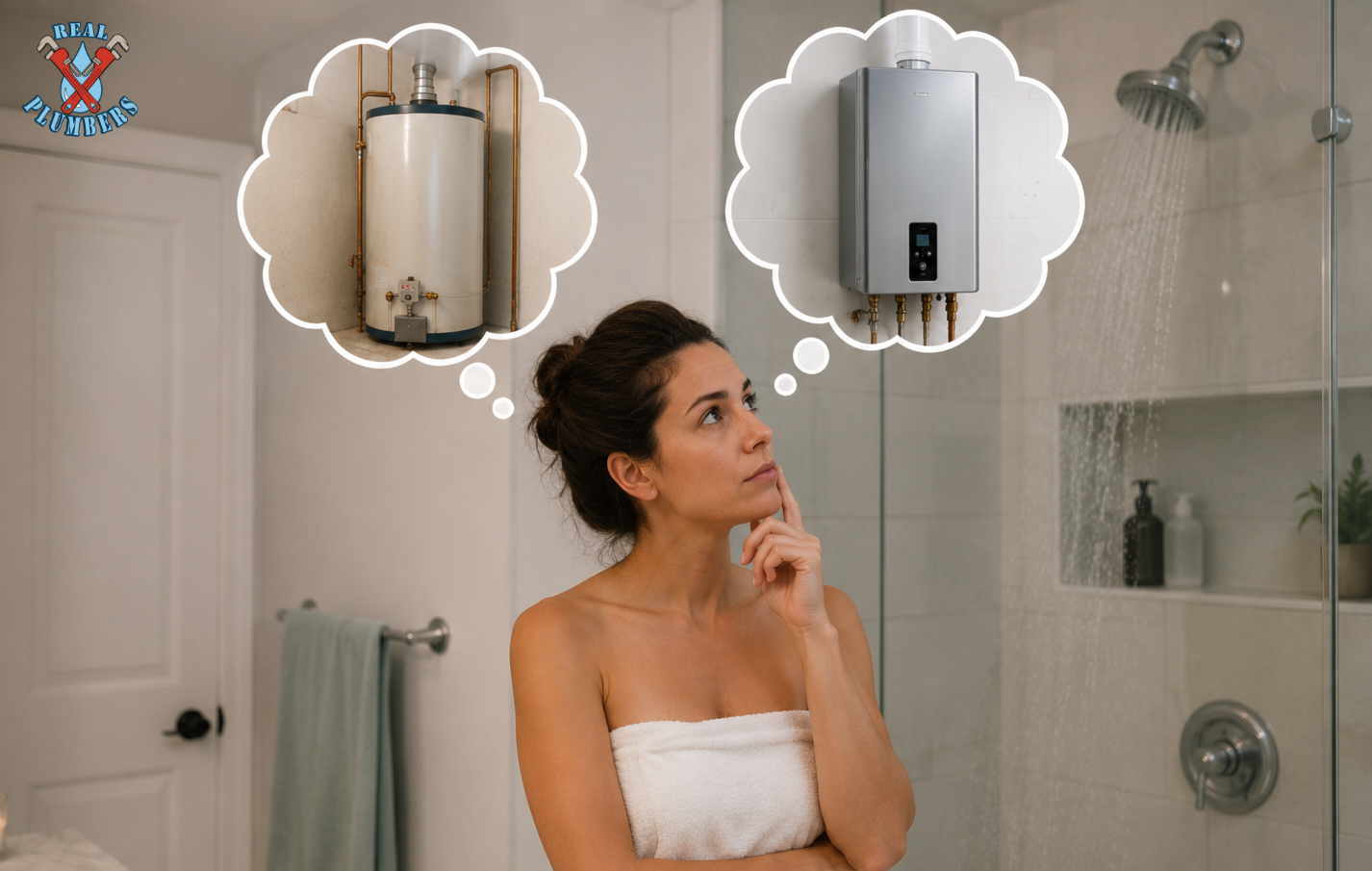
Unlike traditional models that keep water hot all the time, tankless units heat water only when you need it. When you turn on the hot water, cold water flows through the unit and heats up almost instantly using gas burners or electric elements. This means no more heat loss from stored hot water sitting around.
This change might sound small, but it can really affect your hot water experience. Instead of waiting for a tank to refill, a correctly sized tankless unit can provide endless hot water as long as the demand matches its output. This makes it a great fit for homes with lots of showers, laundry, and kitchen use throughout the day.
Why the Buzz?
Higher energy costs and tighter budgets have put tankless systems in the spotlight. If space is at a premium, getting rid of a bulky storage tank can free up valuable room for storage or remodeling. This makes the switch appealing not just for plumbing, but for overall home efficiency.
Many see water heater replacement as a long-term investment rather than a quick fix. Traditional tank heaters might cost less initially, but they often have a shorter lifespan and waste energy. If your current unit is aging, a tankless model might be worth considering, along with other plumbing improvements like water heater repair.
When to Consider Switching
Your Water Heater Is Old
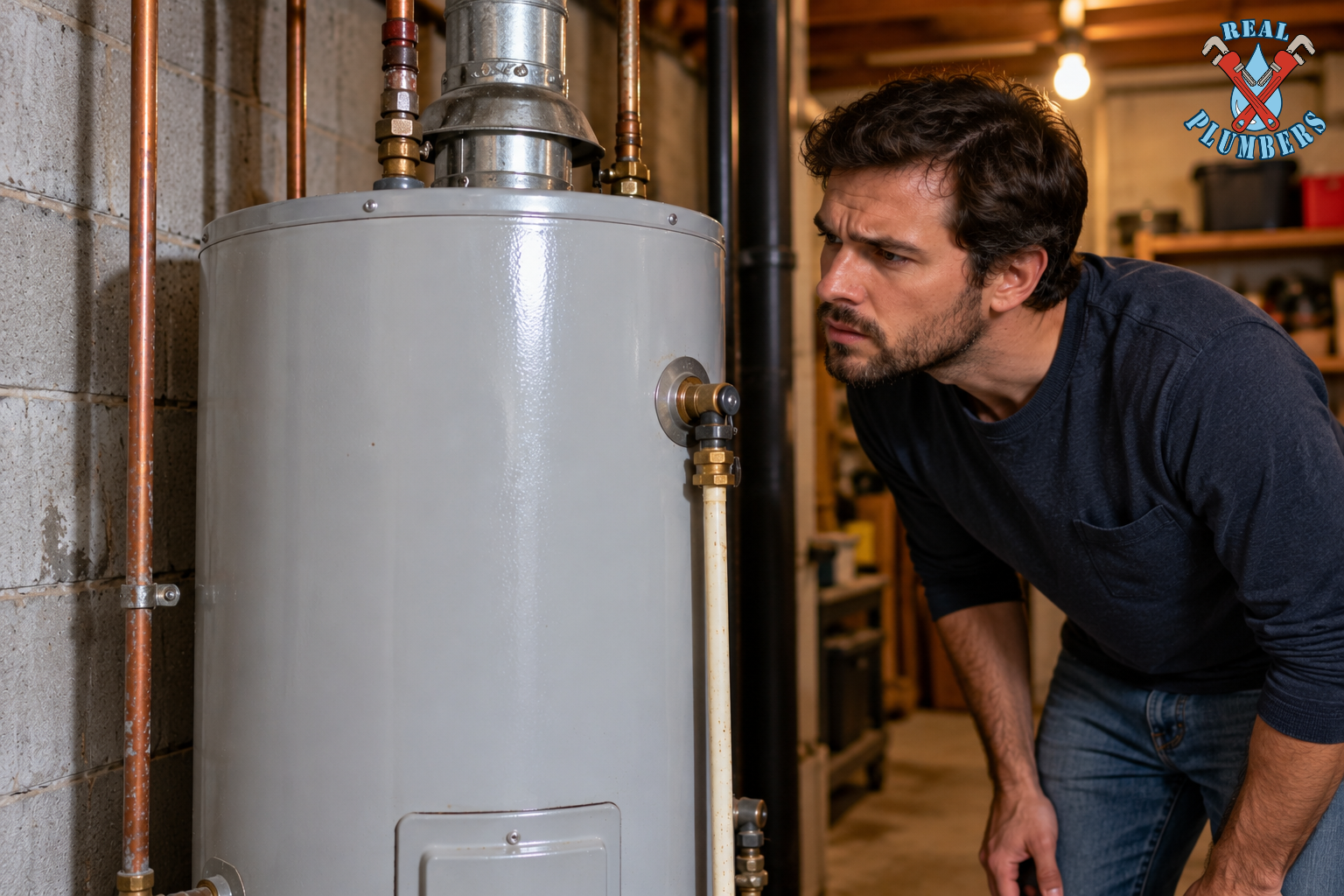
Most conventional water heaters last about 8 to 12 years, while tankless ones can go 20 years or more with proper care. If your heater is nearing the end of its life, now’s the time to plan. Frequent leaks, rusty water, temperature issues, and constant repairs are signs that it's time to consider a new system.
When a heater gets old, patching it up can cost more than planning an upgrade. This doesn’t mean you have to replace it immediately, but weigh repair costs against the benefits of a modern, efficient system. If you're dealing with pressure issues or temperature swings, you might also need to look at other components like shower valve repair and water pressure regulator repair.
Running Out of Hot Water
If you often run out of hot water, especially during showers, it's a sign your household has outgrown a traditional tank. This is common in larger families or homes with multiple bathrooms. A tankless system can help if it's properly sized to meet your needs.
However, tankless heaters aren't magic. A unit that's too small can still struggle during peak use, so sizing is key. A licensed plumber can assess your fixtures, flow rate, and water temperature to determine if a single or multi-unit setup is best for your home.
Limited Space
Tankless systems are compact and wall-mounted, making them perfect for homes where space is tight. Removing a large storage tank can create room for more storage. For those maximizing square footage, this alone can be a compelling reason to switch.
Space savings also matter where equipment placement affects convenience and accessibility. A tankless unit can be installed in a less intrusive spot than a bulky tank, but installation depends on venting, gas supply, and electrical capacity. If you're updating plumbing, a tankless upgrade can fit naturally into a larger plumbing makeover.
Cost and Energy Considerations
Gaining Efficiency
Tankless water heaters can be 24% to 34% more energy-efficient than traditional models in typical households. This efficiency matters over time, especially in homes with consistent hot water use. While savings vary by home size, fuel type, and habits, less standby waste generally means lower energy consumption.
Homes using hot water regularly but not excessively benefit the most. If your old tank spends a lot of time heating unused water, a tankless system is a great upgrade. For more on comparing energy impacts, check out the ENERGY STAR water heater resource.
Cost vs. Value
Many hesitate due to the higher upfront cost. Tankless systems range from $1,500 to $3,500 for electric models and $2,500 to $5,000 for gas models, including installation. That’s a big investment, especially if additional upgrades are needed.
Still, consider the full lifespan. A tankless system lasting 20 years or more may offer more value than a cheaper replacement needing another swap in a decade. If your current heater is failing, compare the costs of tankless replacement against another storage tank installation to decide based on total cost, not just purchase price.
Rebates and Incentives
In some places, you can offset costs with rebates or incentives for high-efficiency equipment. In Southern California, energy-saving upgrades are encouraged for conservation goals. Check with your utility provider before deciding, as programs can change annually.
For those in Los Angeles, utility bills can be high and space limited. A tankless upgrade can combine comfort, efficiency, and space use in one project. If you need local help, a plumber in Los Angeles, CA, can assess if your home is a good fit for the switch.
Is a Tankless Heater Right for You?
High or Steady Demand Households
Tankless systems are best for homes needing reliable hot water all day. Families with multiple bathrooms, busy kitchens, or regular laundry use benefit most if the unit is properly sized. Understand peak demand rather than average use, as showers and appliances can overlap more than you think.
This means a family rarely using more than one fixture at once may not need the same setup as one with multiple showers running. A professional plumber can help map out your daily hot water patterns and compare them to system output. Expert sizing makes a big difference and is why proper installation matters.
Remodeling or Upgrading Homes
Tankless water heaters make sense when they’re part of a bigger improvement plan. If remodeling a bathroom, updating plumbing, or replacing an old heater, choose a tankless unit at the same time. Bundling work reduces disruption and aligns the new heater with your plumbing system.
This is helpful when older components cause trouble. A home with leaks, weak flow, or slow drains may need more than a new heater. In those cases, consider related services like water leak repair or unclogging drains for a complete upgrade plan.
Space and Efficiency Matter
Not all homes need a tankless heater, but those with limited space benefit most. Condos, smaller homes, and properties with compact utility rooms find real value in a wall-mounted unit. It’s not just about looks; it also makes maintenance access easier and frees up room for other equipment.
Many view the upgrade as part of modernizing the property. Water heating ties closely to comfort and efficiency. When chosen carefully, a new system supports both short-term comfort and long-term property value.
When to Hold Off
Minimal Hot Water Use
If you live alone, use hot water sparingly, or have a small household, a tankless system might still be good, but the value changes. A small home with simple usage may not recover the higher upfront cost quickly. Your best choice might be to repair or replace with a traditional model after comparing total costs.
This is why it helps to focus on your lifestyle. If you only need occasional hot water and have no space concerns, a tankless heater might be more than you need. The right decision fits your household patterns, not just trends.
Plumbing or Gas System Needs Upgrades
Some homes aren't ready for tankless installation until plumbing, gas, or electrical issues are fixed. A gas model may need venting changes or a larger gas line, while electric models might need more electrical capacity. If these systems aren’t ready, the project cost can rise quickly.
That’s why a pre-installation assessment is crucial. A licensed plumber can check if your infrastructure supports the new heater safely. If other plumbing issues are found, it might be smarter to address them first, then proceed with the upgrade.
Solving Other Plumbing Problems
Hot water complaints might be due to issues a new heater won’t fix. Sediment buildup, faulty valves, leaks, low pressure, or clogged lines can all affect performance. If the real issue is elsewhere, switching to tankless might not help.
That’s why a diagnostic check is essential before buying new gear. The problem might be better solved by repair work, fixture updates, or pressure balancing. If your symptoms include inconsistent shower temperature, weak flow, or quick water loss, pair the water heater evaluation with faucet repair or water pressure replacement to find the real trouble.
Maintenance, Lifespan, and Performance
Maintenance Needs
Tankless water heaters are durable but not maintenance-free. Annual descaling is often recommended, especially in areas with hard water, as mineral buildup can reduce efficiency and strain components. Regular flushing keeps the heat exchanger clean and protects performance.
Routine maintenance lets a plumber spot small problems before they get expensive. This includes checking valves, inspecting venting, reviewing combustion, or testing flow rates. Homeowners who commit to maintenance usually get the best return because the system stays efficient and reliable.
Lifespan Importance
The longer lifespan is one of the strongest points of tankless systems. Many storage heaters need replacement after around ten years, while tankless models can last over 20 years. This is meaningful for homeowners planning to stay long term.
A longer lifespan doesn’t eliminate maintenance costs, but it improves overall value. Instead of replacing the same type twice, one properly maintained tankless unit can cover the same span with fewer disruptions. This is why many see tankless systems as a long-term investment.
A Real California Example
In California, tankless conversions are common in homes with high utility costs and limited space. One Los Angeles family reportedly cut energy bills by 30% after switching to a tankless system, showing benefits when the system is sized and installed correctly.
Such results are likely when working with experienced professionals who understand both the equipment and plumbing system. The installation process matters as much as the equipment. If you're considering a switch, a professional review can help you determine if your home could see similar benefits.
Deciding with a Simple Checklist
Questions to Consider
Before deciding on a tankless water heater, ask yourself a few practical questions. Is your current heater near the end of its life? Does your household run out of hot water regularly? Do you need more space and lower energy use? Is your plumbing system ready for the change?
If you answer yes to most, the upgrade may be worth considering. If not, a repair or a standard replacement might make more sense now. The goal is to choose the option that solves your problem without unnecessary expense.
When to Call a Pro
Decisions about tankless water heaters are best made with expert input because the sizing and installation requirements are technical. A licensed plumber can assess flow rate, fuel type, water quality, venting, and capacity needs before recommending a system. This evaluation helps avoid mistakes like undersizing the unit or overlooking necessary changes.
It's also wise to involve a professional if your current unit is leaking, making odd noises, or showing signs of wear. Sometimes, the best step is not a direct replacement but a broader plumbing inspection. If you want guidance before deciding, a trusted team can help compare options and plan the best path forward.
FAQs About Tankless Water Heaters
Do They Work for Large Families?
Yes, but only if the system is sized right for the demand. Large families often benefit from tankless units because they reduce the chance of running out of hot water, but the wrong model can still create issues during peak use. The right plan should account for simultaneous showers, appliances, and fixture flow rates.
Are They Worth the Higher Cost?
They can be, especially if you plan to stay long enough to benefit from lower energy use and a longer lifespan. The value depends on your usage habits, utility costs, and how much work your home needs to support the installation. Often, the long-term savings and less frequent replacements justify the investment.
How Often Do They Need Service?
Most tankless water heaters need inspection and descaling annually, though homes with hard water may need more frequent care. Regular maintenance helps preserve efficiency and prevents scale buildup from shortening the unit's life. If you know your home has hard water, plan for maintenance from the start.
Ready to Make the Switch?
The right time to switch to a tankless water heater is when it meets a real need in your home. If your heater is aging, your hot water is unreliable, your space is limited, or your energy bills are rising, a tankless system might be the long-term solution. If your current setup works well, it might be smarter to wait, repair, or explore other options first.
What matters most is deciding with accurate information and professional guidance. A tankless water heater can offer better efficiency, longer lifespan, and more flexible space use, but only when it's sized and installed correctly. For those wanting honest advice, careful evaluation, and dependable workmanship, Real Plumbers can help decide the best next step for your home.
If you're ready to explore your options, consider scheduling an inspection, asking about installation requirements, and reviewing whether your current system needs repair or replacement. The sooner you understand your home’s hot water demands, the easier it becomes to choose a solution that works for years to come.
Interested in finding out if tankless is right for your home? Contact Real Plumbers for expert guidance, clear pricing, and professional service focused on your comfort.