What Is an Earthquake Gas Shut-Off Valve and How Does It Work?
An earthquake gas shut-off va lve is a crucial safety gadget for anyone living in a quake-prone area. It automatically cuts off the gas supply when it detects strong seismic activity, helping to prevent fires, explosions, and gas leaks after an earthquake. If you're a homeowner or business owner in such a region, understanding how this device works is a wise move.
Thinking about upgrading your property? This safety device often comes up alongside other key solutions like gas earthquake valve installation, gas leak repair, and water leak repair. In places like Southern California, where earthquakes are a regular concern, knowing how these valves work can help you make informed decisions before an emergency.
In this guide, we’ll dive into what an earthquake gas shut-off valve does, how it gets triggered, when it should be installed, and its maintenance needs. We’ll also debunk some myths and share practical safety tips, so you feel more confident about safeguarding your home or business.
What an Earthquake Gas Shut-Off Valve Actually Does
The Basic Purpose of the Valve
An earthquake gas shut-off valve is a safety device that automatically closes when it detects significant ground movement. Its job is simple: stop gas from flowing to appliances, pipes, or fixtures after a seismic event. Since natural gas is highly flammable, cutting it off quickly can reduce the chance of a fire hazard.
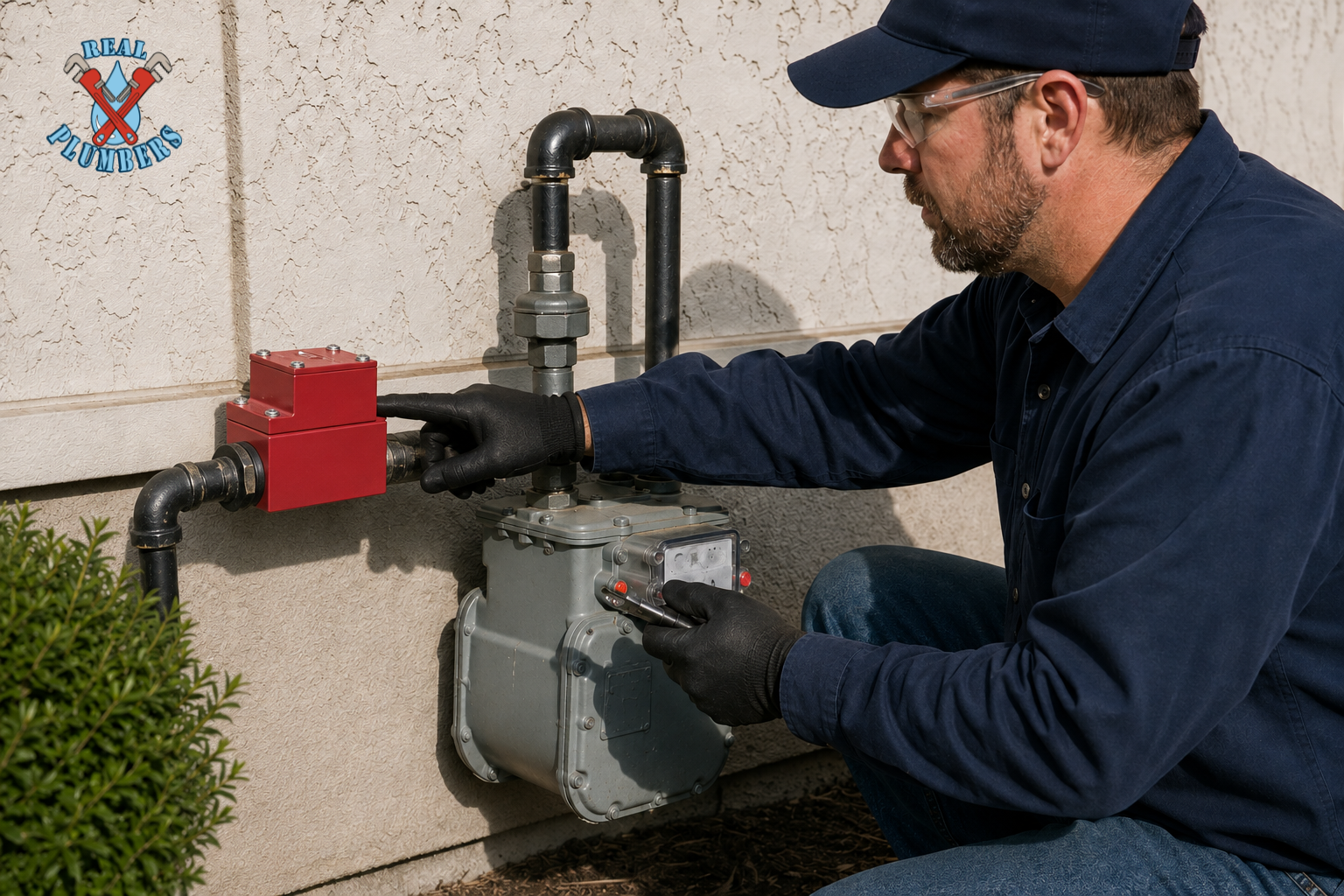
These valves are usually installed on the gas meter or gas line feeding your property. They’re different from the manual valves used for routine maintenance and are designed to stay in the background until an earthquake triggers them.
Why This Matters in Earthquake Zones
Earthquakes can damage gas lines in ways you might not see right away. Pipes can crack, fittings can loosen, or appliance connections can shift just enough to cause leaks. According to the Federal Emergency Management Agency, reducing fire hazards after earthquakes is a big part of preparedness, especially in areas where homes and utilities can be affected.
This is why many inspectors, builders, and safety-conscious homeowners see automatic shut-off devices as a valuable part of an emergency plan. They don’t replace inspections or leak detection, but they add a layer of defense when the ground shakes, and people may be too distracted to respond immediately.
How Earthquake Gas Shut-Off Valves Work
Mechanical Trigger Systems
Most earthquake gas shut-off valves use a simple mechanical design. Inside, there’s often a part like a ball, spring, pendulum, or floating component that reacts to strong movement. When shaking hits a certain level, that part shifts and closes the valve.
While designs vary, the goal is the same: create a reliable response without needing electricity or batteries. This makes the valve especially useful during power outages, common after quakes. The mechanical system can respond right away as long as it’s installed correctly and maintained.
What Happens During a Quake
When the ground shakes hard enough, the device senses the motion and locks the gas supply in a closed position. Once that happens, gas can’t move through the line until the valve is manually reset by a qualified professional or a trained property owner. This automatic shutoff limits the gas available if pipes or appliances are damaged.
The valve doesn’t predict earthquakes or react to every small vibration. Instead, it’s set to respond to stronger, potentially dangerous movements. This threshold helps prevent unwanted shutoffs from normal activity while still offering protection during an actual earthquake.
Resetting the Valve After Activation
After an earthquake, don’t just turn the valve back on without checking the system first. A shut-off means the property experienced enough movement to trigger a safety response, which could mean the gas pipes or connected appliances need inspection. Check for leaks, broken connectors, or other issues before restoring gas service.
For more safety tips, the National Fire Protection Association offers useful info on gas safety and fire prevention. If your shut-off valve activates, see it as a warning sign, not an inconvenience. When in doubt, a professional inspection is the safest bet.
Types of Earthquake Gas Shut-Off Valves
Automatic Seismic Shut-Off Valves
Automatic seismic shut-off valves are the most common option for earthquake protection. They stop gas flow in response to ground movement without needing human action. These are often used in homes, apartment buildings, and commercial spaces where quick response is key.
They’re especially handy because people aren’t always near the gas meter during an emergency. If an earthquake hits at night, when the property is empty, or when everyone’s taking cover, the valve still works. This makes it a strong safety investment for many property owners.
Manual Shut-Off Valves
Manual shut-off valves aren’t earthquake-specific, but they’re still part of a complete gas safety strategy. These let you stop gas flow by hand if you suspect a leak or need repairs. Every gas appliance and meter should have an easy-to-reach manual shut-off point.
While manual valves are essential, they rely on someone being present and able to reach them. That’s why they don’t replace seismic shut-off devices. Instead, the two work together as complementary safety features.
Combination Safety Systems
Some properties benefit from combining an automatic seismic valve with other protective gear, like gas leak detectors, pressure regulators, and proper appliance connectors. For instance, pairing seismic protection with water pressure regulator repair or pressure replacement reflects the same mindset: reduce stress on the system before problems spread.
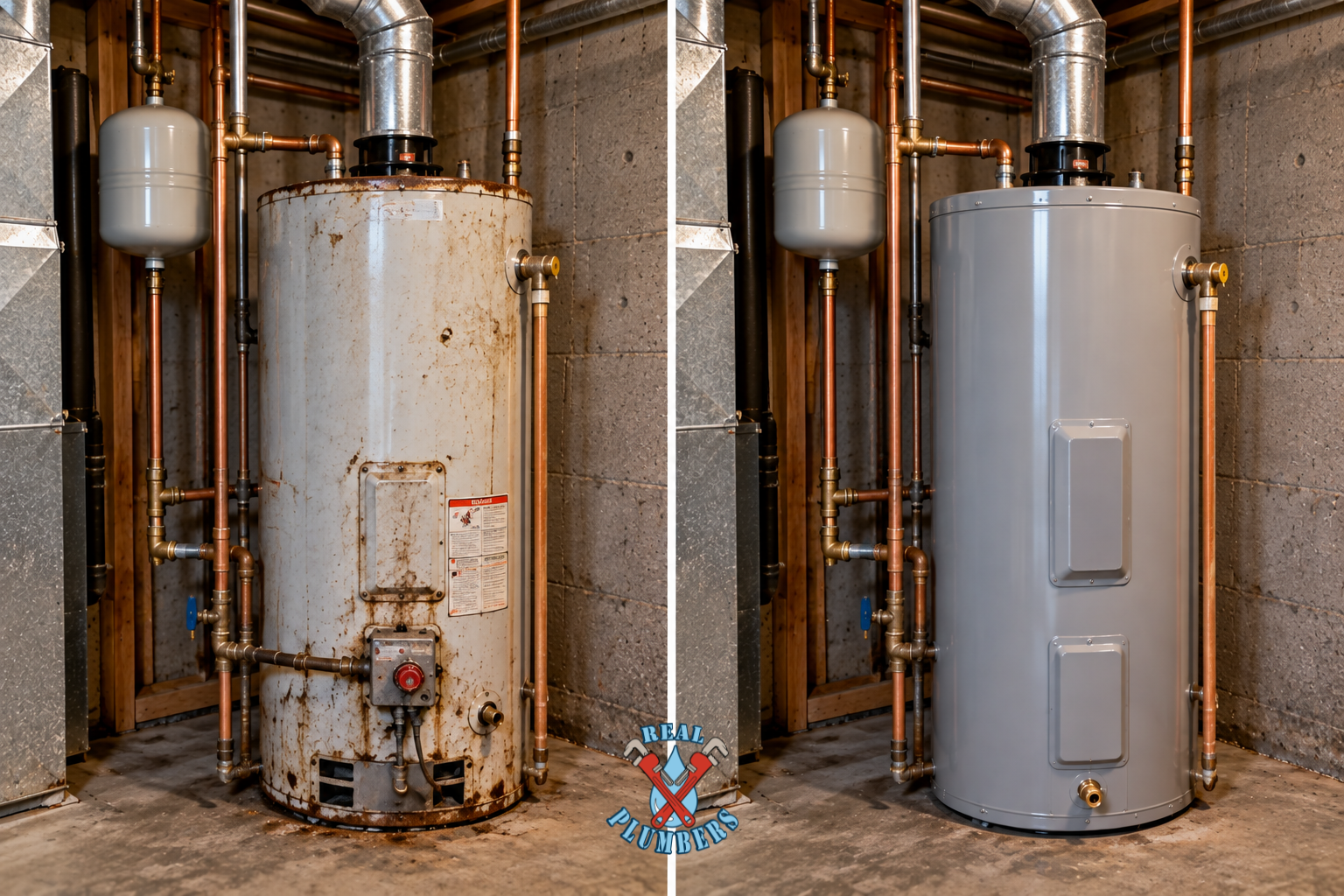
When planning a gas safety upgrade, many property owners also consider services like water heater repair or water heater replacement. These services might not be part of the valve itself, but a full safety review often uncovers other aging components worth addressing.
Signs Your Property May Need an Earthquake Gas Shut-Off Valve
You Live in an Earthquake-Prone Region
If you’re in Southern California or another active seismic area, think seriously about an automatic gas shut-off valve. Earthquakes don’t have to be huge to pose gas risks. Even moderate shaking can damage older connectors or shift appliances enough to cause hazards.
For people in busy neighborhoods or commercial areas, the risk isn’t just structural damage. It’s also the chance that gas keeps flowing while everyone’s evacuating, sleeping, or unable to inspect the building. Seismic protection is a practical upgrade.
Your Gas System is Older or Has Had Issues
Older gas systems, aging appliances, and frequent leak repairs signal that your property might be more at risk during a quake. If you’ve needed gas leak repair, had damage from shifting pipes, or noticed corroded connections, discuss seismic shut-off protection with a licensed plumber. The same goes if you’ve repeatedly needed faucet repair or shower valve repair, since recurring plumbing issues can point to broader system wear.
Often, an inspection can reveal whether your gas setup is ready for an automatic valve or if other repairs should happen first. It’s better to find weak points before an earthquake makes them worse.
You Manage Rental, Commercial, or Multi-Unit Property
Property managers and business owners often need a stronger preventive strategy because more people rely on the same gas system. If a seismic event disrupts service in a larger building, the consequences can be more serious and costly. An automatic shut-off valve can help reduce liability and support safer re-entry decisions after a quake.
In commercial settings, it also makes sense to coordinate gas safety with other plumbing maintenance like sewer and drain repair or main sewer rooter service. While these systems differ, the principle is the same: a well-maintained property is easier to protect during emergencies.
Installation and Inspection: What Homeowners Should Know
Professional Installation Matters
Get a qualified professional to install your earthquake gas shut-off valve. They know the gas codes, local requirements, and the specific valve model. Correct placement and calibration are crucial because if it’s installed wrong, it might not activate when needed or might shut off too easily. Either way, that defeats the safety purpose.
At Real Plumbers, we focus on careful, code-compliant work that supports long-term safety. If you’re looking for a reliable plumber in Los Angeles, aim for clear answers, reliable installation, and a system ready for real-world use, not just a quick hardware add-on.
What an Inspection Includes
Before installation, a plumber should inspect the gas meter area, line condition, appliance connections, and available space around the valve. The inspection confirms whether the meter location, pipe size, and existing hardware fit the selected shut-off device. It also helps find issues like corrosion, loose fittings, or poor access that could complicate future maintenance.
Inspection is equally important after installation. The valve should be tested, documented, and reviewed as part of a broader safety plan. If any part of the gas system is already compromised, address that first rather than adding a safety device to an unstable setup.
When to Coordinate Additional Services
Sometimes installing an earthquake valve leads to other needed repairs. If the inspection uncovers damaged piping, a weak regulator, or appliance concerns, it might make sense to schedule gas earthquake valve installation along with other repairs to handle the whole system at once. This could also include gas leak repair or related plumbing services to boost your home’s overall readiness.
This kind of coordinated approach saves time and can cut down on repeat visits. It also gives you a clearer picture of your property’s safety profile, which is especially valuable in older homes or heavily-used commercial buildings.
Common Myths About Earthquake Gas Shut-Off Valves
Myth 1: They Replace All Other Safety Steps
One big misunderstanding is thinking a shut-off valve means you don’t need any other earthquake preparation. That’s not true. A seismic valve is one layer of protection, but it doesn’t replace proper gas-line maintenance, appliance inspections, or emergency planning. It can’t fix a cracked pipe or prevent damage from falling debris.
According to the U.S. Geological Survey, earthquake preparedness involves multiple layers of protection because no single device eliminates all risk. The best results come from combining structural awareness, shut-off devices, safe installation, and regular inspections.
Myth 2: They Shut Off During Every Small Tremor
Another myth is that earthquake valves are too sensitive. In reality, these devices are designed to respond to shaking above a specific threshold. Small vibrations from nearby traffic, doors slamming, or normal appliance operation shouldn’t trigger them.
This balance is important. If a valve shuts off too easily, people might get frustrated and ignore it. If it’s not sensitive enough, it may fail to protect the property when real danger strikes. A quality installation helps ensure the device fits the building’s needs.
Myth 3: Any Plumber Can Reset One Without Checking the System
Some folks think a valve can just be reset and gas turned back on right away. That approach can be dangerous because the valve activated for a reason. After a quake, the gas system might need a full check for leaks, regulator damage, or appliance displacement before service is restored.
This is why professional guidance matters. A trained plumber can determine whether the system is safe and if any extra work is needed before the property goes back to normal use.
Maintenance, Testing, and Long-Term Care
Keep the Valve Accessible
Even though earthquake shut-off valves aren’t used every day, they still need to be easy to reach and free of obstructions. Storage boxes, landscaping, fencing, and debris should never block access to the meter or valve. If emergency crews or a plumber can’t reach the device, response time slows down when it matters most.
Make sure the area is visible and clearly understood by household members or building staff. A device that’s installed correctly but hidden behind clutter isn’t as useful as one that’s open and easy to inspect.
Schedule Periodic Inspections
Just like other safety-related plumbing components, these valves should be checked regularly. Inspections confirm the valve hasn’t corroded, shifted, or been damaged by nearby work. If the property has had construction, seismic movement, or gas work since installation, a follow-up review is even more important.
This is especially true in homes where other systems are already being serviced. If you’re updating fixtures, repairing drains, or dealing with clogged drains, it might be convenient to include a gas safety review at the same time. Coordinating maintenance reduces missed problems and gives the property a cleaner bill of health.
Know What to Do After Activation
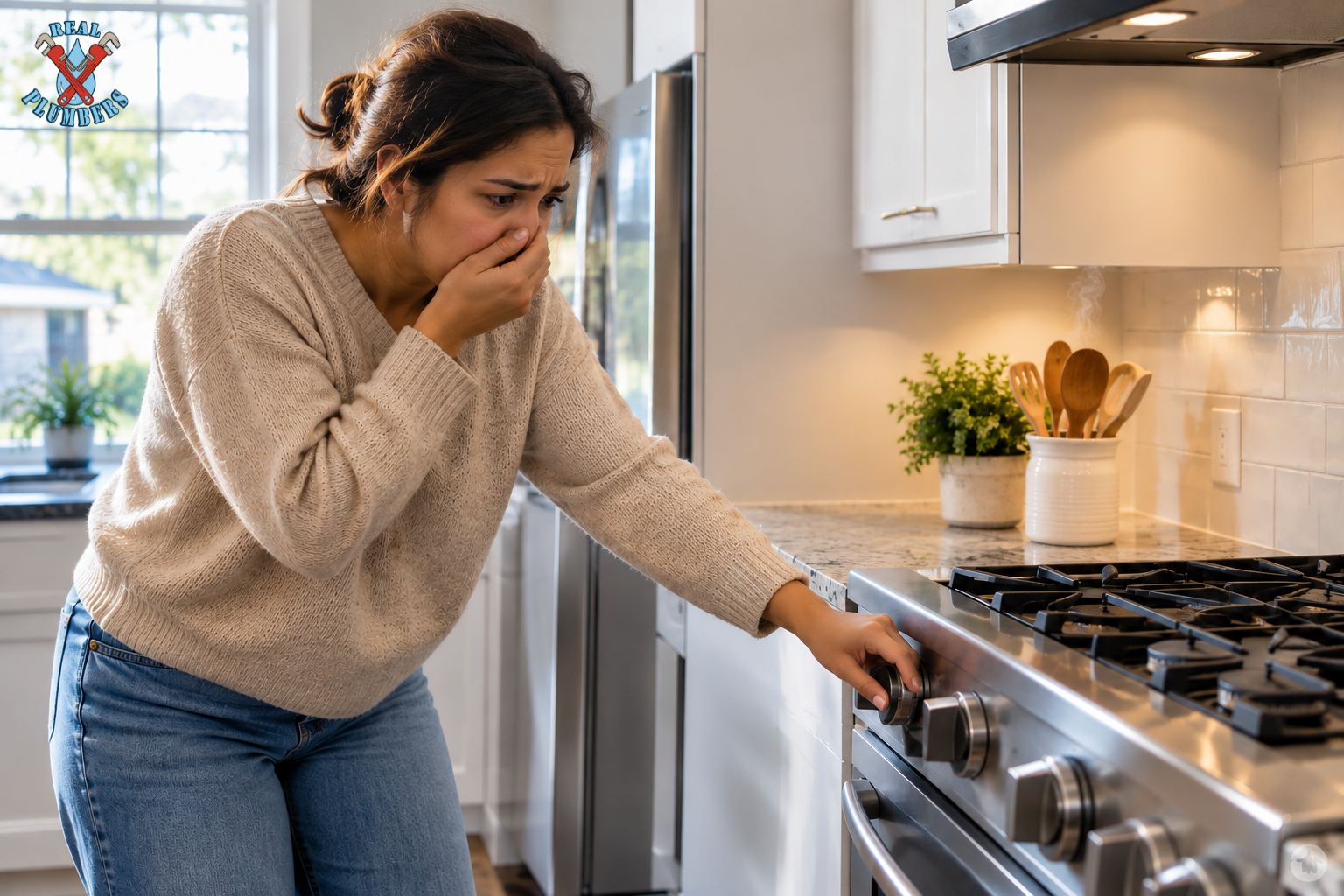
If a valve shuts off after an earthquake, don’t assume it’s safe just because the gas has stopped flowing. Check for visible damage if it’s safe, smell for gas, and avoid open flames or electrical switches if a leak is suspected. If you notice any gas odor, evacuate and contact emergency services first.
Once the immediate danger is addressed, a licensed professional should inspect the system before the valve is reset. This extra step isn’t optional; it’s crucial for keeping the property safe after a quake.
How This Fits Into a Broader Home Safety Plan
Earthquake Readiness is More Than One Device
A gas shut-off valve is a great safeguard, but it works best as part of a larger preparedness plan. That plan should include knowing where utilities are located, maintaining clear access to shut-off points, and having an emergency contact list ready. It should also include communication planning so everyone in the building knows what to do after shaking stops.
For some properties, readiness may also involve related upgrades like tankless water heater installation or tankless water heater replacement when old equipment becomes part of a larger modernization project. While those projects are different, they often arise during the same overall effort to improve reliability and safety.
Why Professional Guidance Saves Time and Risk
Many property owners wait until there’s a problem before they think about gas safety. That approach usually costs more in the long run. A professional assessment can identify weak links, suggest practical upgrades, and explain which repairs should be handled first. It also helps you avoid products or shortcuts that may not meet local code requirements.
If you’re unsure where to begin, an experienced plumbing team can explain whether your gas system needs an earthquake valve, a repair, a replacement, or simply a better maintenance plan. Honest evaluation is often the fastest route to peace of mind.
Frequently Asked Questions About Earthquake Gas Shut-Off Valves
Do All Homes Need One?
Not every home is legally required to have an earthquake gas shut-off valve, but many properties in seismic zones can benefit from one. The decision usually depends on location, building type, age of the gas system, and local code requirements. A professional can help determine whether it makes sense for your property.
Can I Install One Myself?
Because these devices involve gas service and safety-critical installation, DIY isn’t recommended. Incorrect placement or calibration can cause false shutoffs or unsafe conditions. A licensed professional should handle the work so the valve performs properly when needed.
Will It Stop Gas After Any Earthquake?
No. The valve is designed to activate only when shaking reaches a threshold intended to indicate potentially dangerous seismic movement. Minor vibrations shouldn’t cause activation. If it does shut off, that usually means the event was strong enough to justify checking the system.
What if My Valve Activates but I Don’t Smell Gas?
Even if you don’t smell gas, the system should still be inspected before resetting. The absence of odor doesn’t guarantee everything is safe. Hidden damage, weakened fittings, or appliance issues may still exist.
Final Thoughts: A Small Device With a Big Safety Impact
An earthquake gas shut-off valve may look small, but its role in protecting a property is significant. By automatically stopping gas flow during strong seismic movement, it helps reduce the chance that a damaged line becomes a fire or explosion hazard. In an earthquake-prone region, that protection isn’t just convenient; it’s smart planning.
If you’re ready to improve your property’s safety, Real Plumbers can help you evaluate your current gas system and determine whether a seismic shut-off valve is the right next step. Whether your needs include installation, leak repair, or a broader plumbing review, the goal is the same: protect your home or business before an emergency happens. To schedule service or ask questions about your gas safety setup, contact Real Plumbers at (323) 821-7922 and take the next step toward a safer property.