Know When You Need Main Sewer Rooter Service in Los Angeles
When your home’s drains start acting up, it’s easy to think it’s just a minor issue. But if you’re dealing with constant backups, bad smells, and sluggish fixtures, it might be a bigger problem with the main sewer line. Spotting these signs early can save you from costly damage, health risks, and major headaches. That’s why many people in Los Angeles look for a reliable plumber before things get worse.
This guide will help you recognize the common signs of a sewer blockage, what might be causing these problems, and when a professional rooter service is necessary. If you’re struggling with slow drains or recurring clogs, check out our guide to slow drains and our clogged-up drains service for more insights before it turns into a sewer emergency.
According to the U.S. Environmental Protection Agency, wastewater systems are meant to safely move sewage away, but blockages can quickly lead to sanitation issues when flow is interrupted. You can get more details from the EPA’s overview of municipal wastewater systems. For homeowners, knowing whether a problem is a simple fixture clog or something more serious with the main line is crucial.
What Main Sewer Rooter Service Does
Clearing the Main Line
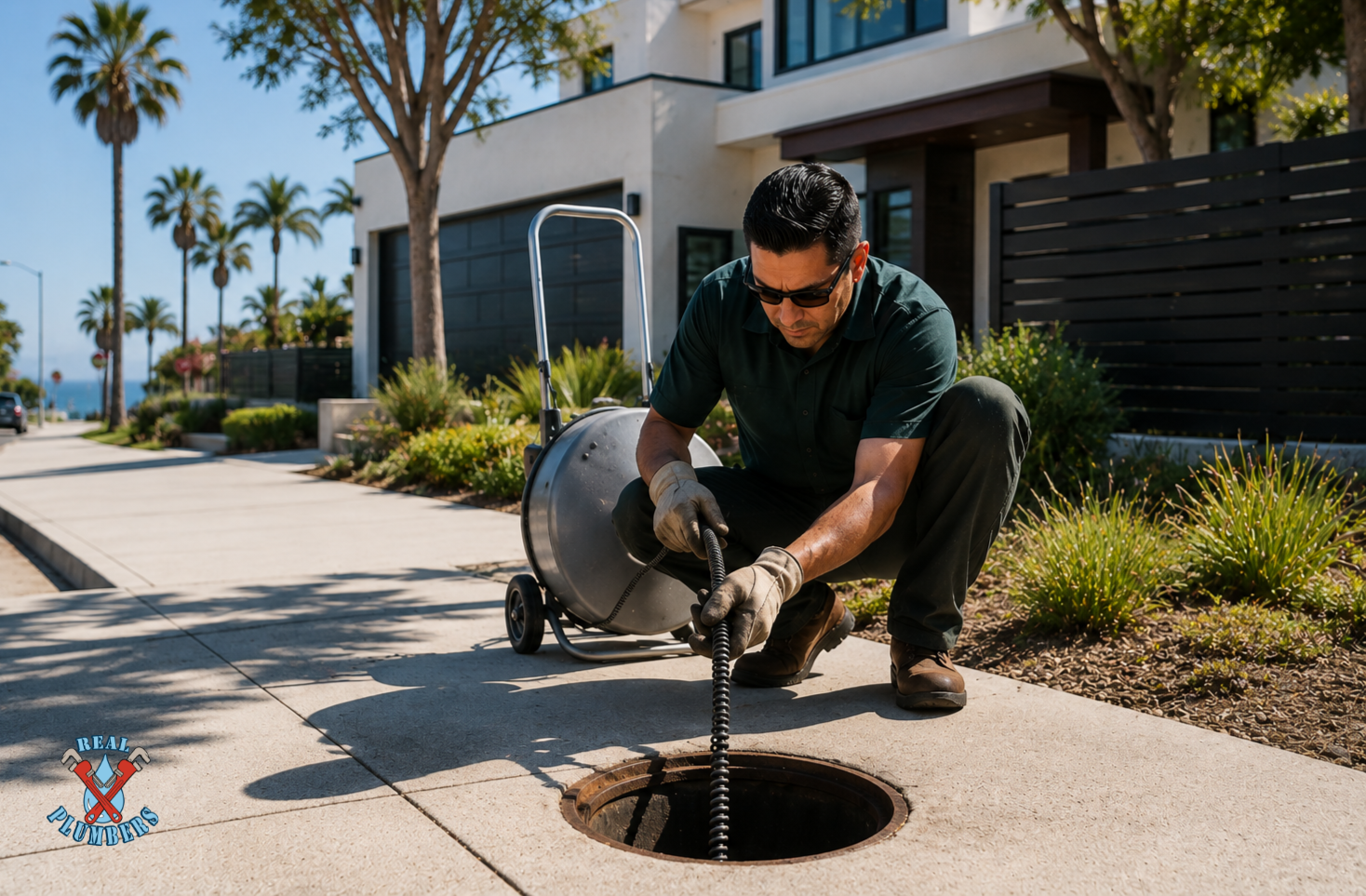
Main sewer rooter service focuses on unclogging the large pipe that carries wastewater from your home to the city sewer or septic system. Unlike a small sink or tub clog, a main line issue affects multiple fixtures at once. Rooter tools use special cutting and clearing equipment to remove grease, roots, sludge, and other debris that regular drain cleaning can’t reach.
This service is really useful when a blockage keeps coming back after temporary fixes. If the line is partially blocked by roots or hardened residue, plungers and store-bought cleaners might offer short-term relief but won’t tackle the root cause. Sometimes, a sewer camera inspection is done before or after cleaning to see what’s causing the problem and check for pipe damage.
Difference from Standard Drain Cleaning
Regular drain cleaning usually deals with one fixture, like a kitchen sink or shower. Rooter service is more aggressive and covers more ground because it targets the main sewer pipe. This means the technician is working to restore the entire system, not just clear one branch line.
If your home has multiple slow drains, gurgling toilets, or sewage odors, the problem might be beyond a simple drain cleaning. In these cases, a main sewer rooter service is often the best next step. For related issues at the fixture level, we also offer kitchen sink clog service, shower clog repair, and sewer and drain repair for more advanced problems.
Signs of a Main Sewer Line Problem
Multiple Drains Are Slow
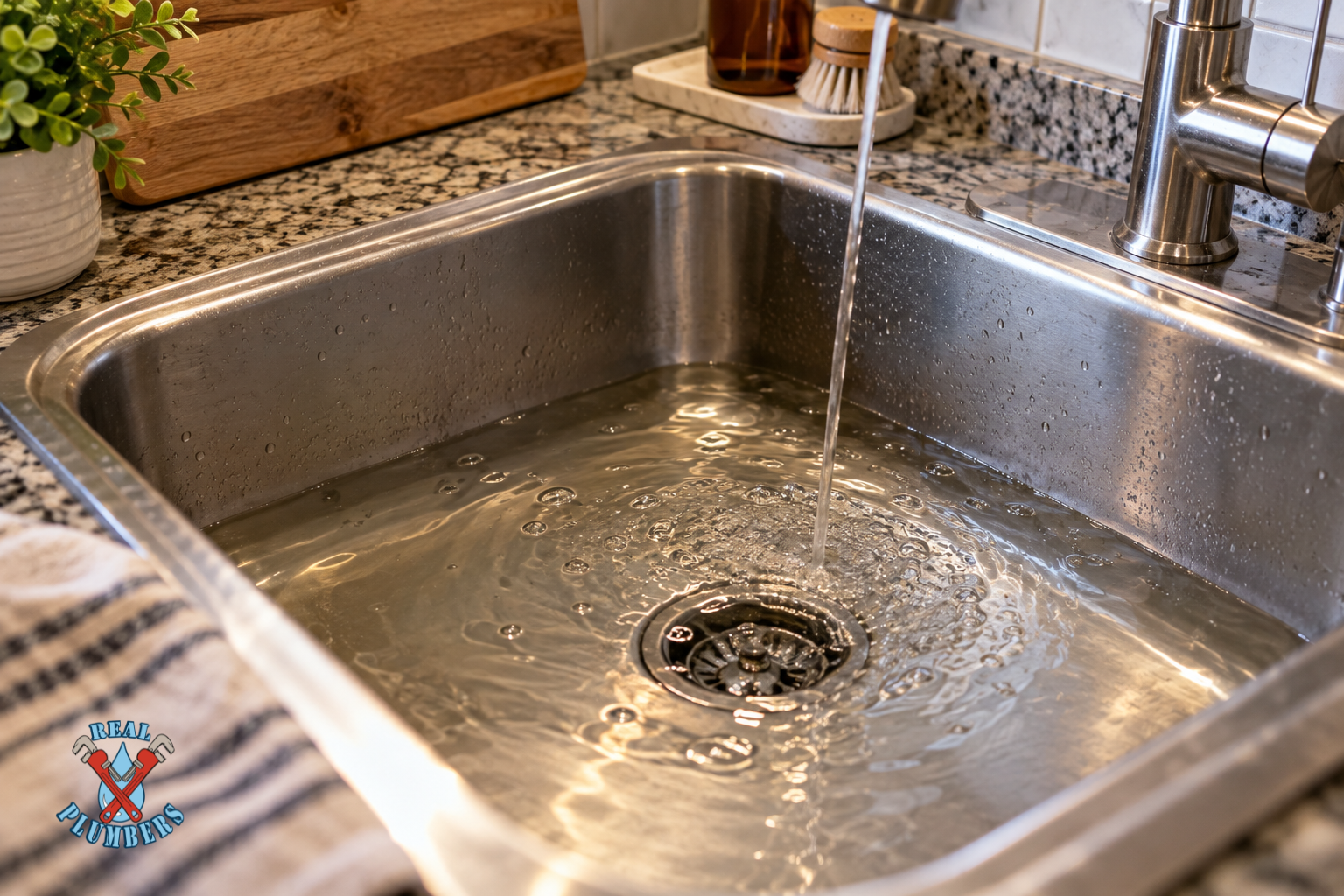
One of the clearest signs of a sewer blockage is when more than one drain starts acting up at the same time. A single clogged sink might be a local issue, but if your toilet, shower, and kitchen drain are all backing up, it suggests a bigger issue with the main line. This pattern often sneaks up gradually, making it easy to ignore until it becomes a big problem.
You might notice water draining slowly after laundry cycles, showers, or dishwashing. That’s because the main sewer line is struggling to move all the wastewater efficiently. If you see this happening across different areas of your house, it’s usually best to check it out quickly rather than wait for a full-blown backup.
Toilets Gurgle or Bubble
A gurgling toilet isn’t just an odd noise. It can mean air is trapped in the plumbing because wastewater isn’t flowing smoothly. When a toilet bubbles or gurgles after another fixture drains, pressure isn’t equalizing properly.
This sound often appears before a backup, which makes it an important early warning. If it happens frequently, especially when sinks or tubs are used, the sewer line might be partially blocked. A camera inspection and rooter service can pinpoint the obstruction before it turns into an emergency.
Foul Sewer Odors
Sewer gas odors inside or around your home can mean stagnant wastewater in the line. These smells are unpleasant and can also signal that sewage isn’t moving as it should. If the odor is strongest near floor drains, basement fixtures, or outdoor cleanouts, the main sewer might be compromised.
Persistent odor problems shouldn’t be brushed off as a dry trap or one-time venting issue. If the smell returns after running water or cleaning drains, the blockage might be deeper in the system. For more severe odor and backup situations, you might want to explore main sewer rooter service and other drain clearing options.
Common Causes of Sewer Blockages
Tree Roots
Tree roots are a common cause of sewer trouble in older neighborhoods. Roots naturally seek moisture, and even small cracks in sewer pipes can attract them. Once inside, they expand and trap debris, creating a blockage that gets worse over time.
Root intrusion is especially likely in homes with older sewer lines. In California, where mature landscaping is common and many properties have older infrastructure, this issue isn’t rare. A rooter machine can cut through the roots, but if the pipe is broken or severely damaged, repair or replacement might eventually be needed.
Grease, Soap, and Household Buildup
Kitchen grease is another big culprit. Even when poured in liquid form, grease hardens as it cools and sticks to pipe walls. Over time, soap residue, food particles, and other debris stick to that layer and narrow the passageway.
Household habits often make this worse without anyone realizing it. Wipes, paper towels, hygiene products, and excess cleaning residue can all contribute to a main line backup. If you suspect buildup rather than roots, professional rooter equipment can still clear the pipe, and regular drain maintenance can help prevent the problem from coming back.
Aging Pipes and Structural Issues
Sometimes the problem isn’t just debris but the pipe itself. Older sewer lines can sag, crack, or shift, creating low spots where waste collects. These “bellies” slow drainage and cause repeated clogging even after cleaning.
Partially collapsed or misaligned pipes can mimic a blockage, which is why a visual inspection matters. The CDC’s wastewater guidance reminds us that backed-up sewage is a health issue as well as a plumbing one. When structural damage is found, rooter service might offer temporary relief, but repair planning becomes necessary.
When It Becomes an Emergency
Wastewater Backing Up
One of the most urgent signs of sewer trouble is wastewater coming back into your home. This often happens in the lowest fixtures first, like basement drains, showers, or tubs. Once sewage appears indoors, the issue is no longer a minor inconvenience; it’s a sanitation and property damage concern.
At this stage, quick action is vital. Avoid using more water, keep people away from contaminated areas, and call for professional help promptly. If a major obstruction causes the backup, a rooter service might restore flow before serious damage occurs, but the area will likely need cleaning and disinfection afterward.
Overflowing Cleanouts or Outdoor Drain Points
Cleanouts are meant for maintenance access, but if wastewater is rising from them, the line is under serious pressure. Outdoor overflow can also appear in the yard or near low-lying areas of the property. These signs often mean the sewer line is blocked between your home and the main connection.
If you see pooling water or sewage around exterior access points, don’t wait for the problem to clear on its own. A rooter technician might clear the obstruction quickly, and if the issue is linked to a larger line defect, further sewer evaluation will be needed. For urgent plumbing issues beyond sewer clogs, we also offer water leak repair and gas leak repair when safety concerns arise.
Recurring Clogs
If you keep clearing the same drain only for it to clog again soon after, the root cause might be deeper than the fixture itself. Repeated short-term fixes often point to a main sewer issue. This is especially true if multiple household drains are affected or if the clog returns after heavy water use.
Home remedies are useful for minor problems but rarely address a main line blockage. If you’re facing recurring symptoms, a professional evaluation can prevent hidden damage from worsening. In some homes, repeated backups signal that the line needs replacement-style plumbing planning or targeted repair instead of endless temporary clearing.
How Pros Diagnose a Sewer Problem
Camera Inspection
A sewer camera inspection is one of the most helpful tools in plumbing. It allows a technician to see inside the pipe and identify roots, grease, fractures, offsets, or severe buildup. Instead of guessing, the plumber can confirm the exact cause and choose the right solution.
This is important because the wrong fix can waste time and money. A pipe full of roots needs different treatment than one with hardened scale or a structural break. Camera inspections also help determine whether rooter service will solve the issue or if repair work is necessary after cleaning.
Flow Testing and Symptom Review
Professionals often combine visual inspection with flow testing and a detailed symptom review. They might ask which fixtures are affected, when the clog started, and whether problems worsen after rain or heavy water use. This information helps pinpoint the likely location and severity of the blockage.
For example, if a toilet gurgles every time the washing machine drains, the main line is likely under stress. If your home smells like sewage after a storm, infiltration or root activity could be involved. The more complete the symptom picture, the faster the right solution can be chosen.
When Rooter Service is the Next Step
Rooter service is usually the right step when the blockage is accessible, the pipe is still structurally sound, and you want to restore flow quickly. It’s also a practical first move before deciding on larger repair work. Clearing the line often reveals whether the pipe can continue working or if there’s more serious damage.
Homeowners in Los Angeles who aren’t sure where to start often benefit from speaking with an experienced plumber who handles both cleaning and diagnostics. We offer practical solutions, like rooter service for main line blockages, and can help determine whether the issue is a blockage, a repair, or a longer-term replacement concern.
What You Can Do Before the Plumber Arrives
Limit Water Use
If you suspect a main sewer backup, cutting down on water use is one of the best immediate steps. Every flush, shower, and laundry load adds pressure to a line that’s already struggling. Limiting water use can help prevent the backup from getting worse while you wait for service.
It’s also wise to avoid chemical drain cleaners if you think it’s a main sewer issue. Those products usually aren’t strong enough to clear a real sewer blockage and can create safety concerns for the technician. Holding off on DIY chemicals preserves the pipe and makes the eventual clearing process safer.
Document Symptoms and Timing
Take notes about when the problem started, which fixtures are affected, and whether anything unusual happened beforehand. Heavy rain, tree trimming, construction, or a sudden increase in usage can all be clues. This information helps the plumber diagnose the issue more efficiently when they arrive.
If water has already backed up, photos can also help document the damage for insurance or property records. The more clearly you describe the symptoms, the easier it is to distinguish a simple clog from a main sewer issue. That can shorten service time and improve the chance of a fast, accurate fix.
Know When It’s Unsafe to Wait
If you see sewage entering the home, especially from floor drains or lower-level fixtures, treat it as urgent. Sewage can carry contaminants, and standing wastewater can damage flooring, drywall, and belongings. In these cases, waiting often increases the cost and complexity of the job.
If you’re unsure whether the issue is urgent, trust the pattern of symptoms. Multiple drains affected, strong odors, and visible backup are strong indicators that immediate service is needed. It’s better to call early than to discover later that a manageable blockage has become a larger restoration project.
Prevent Future Sewer Line Problems
Watch What Goes Down Drains
Prevention starts with everyday habits. Keep grease, coffee grounds, wipes, and food scraps out of sinks. In bathrooms, avoid flushing anything other than toilet paper, and use hair traps where needed.
Small habits make a big difference over time. The fewer solids and sticky substances you put down the line, the less likely buildup will happen. If you have a history of clogs, scheduling periodic maintenance can help keep the system flowing before the next slowdown starts.
Regular Professional Inspections
Older homes, properties with mature trees, and buildings with frequent clog history might benefit from routine sewer inspections. A camera check can catch early root growth, scaling, and pipe shift before a complete failure occurs. That kind of preventive attention is far less disruptive than dealing with a backup during a busy week or holiday.
Many homeowners also keep an eye on related plumbing issues because sewer symptoms often overlap with pressure or fixture concerns. If low pressure, leaks, or noisy fixtures are showing up too, it might be time to review water pressure regulator repair or faucet repair as part of a broader plumbing maintenance plan.
Stay Alert for Early Warning Signs
The best prevention tool is awareness. A slight gurgle, a mild odor, or one sink that keeps slowing down can be the first clue of a larger issue. If you catch those changes early, you might resolve the problem before it becomes an emergency.
Homeowners in areas with older sewer infrastructure should especially stay alert after heavy use periods, storms, or long stretches without inspection. Early action can prevent damage to floors, fixtures, and walls, and it often reduces repair costs.
FAQs About Main Sewer Rooter Service
How Do I Know if I Need Rooter Service or Just a Drain Cleanout?
If only one fixture is slow, the issue might be isolated to that drain. If multiple fixtures are slow, gurgling, or backing up, the main sewer line is more likely involved. Rooter service is typically the better choice when the symptoms are widespread or keep coming back.
Will Rooter Service Damage My Pipes?
When done by a trained professional using the right equipment, rooter service is designed to clear blockages without harming healthy pipe walls. However, if the pipe is already cracked, severely corroded, or collapsed, the cleaning process may reveal damage that needs repair. That’s why inspection and experience matter.
Can Tree Roots Come Back After the Line is Cleared?
Yes, roots can return if the underlying crack or opening remains. Clearing the roots solves the immediate blockage, but recurring intrusion might require pipe repair or replacement planning. Regular inspections can help detect regrowth before it causes another backup.
What Should I Do if Sewage is Already Backing Up Inside?
Stop using water, avoid the affected areas, and contact a professional right away. Sewage backups can contaminate floors and belongings, so quick response matters. If you need related service guidance, we also provide water heater repair and broader plumbing support to help get your home back to normal.
Why Acting Early Saves Time and Money
Small Symptoms Lead to Bigger Repairs
A sewer problem rarely appears all at once. It usually starts with slow drainage, small odors, or unusual sounds and then develops into a full backup. Addressing the issue while it’s still manageable can keep costs lower and reduce damage to the home.
Early intervention also makes diagnostics easier. The line may still be clear enough to inspect, clean, and monitor without emergency cleanup. In contrast, waiting too long can turn a blockage into a sanitation problem, a restoration project, and possibly a pipe repair job.
Professional Help Protects Your Home and Health
Because sewer issues involve wastewater, they affect more than convenience. They can also expose your home to bacteria, odors, and moisture-related damage. Professional service helps restore safe flow, identify the true cause, and reduce the chance of repeat problems.
If you’re noticing symptoms now, it’s wise to act before the line fails. We offer honest, no-nonsense service to homeowners who need a dependable diagnosis and a practical fix. Learn more about our main sewer rooter service or explore our broader sewer and drain repair options to find the right solution for your property.
Final Thoughts and Next Steps
The signs you need a main sewer rooter service are usually easy to spot once you know what to look for: multiple slow drains, gurgling toilets, sewer odors, repeated clogs, and wastewater backups. These symptoms often point to a blockage in the main line, not just a single drain. When that happens, fast professional attention can protect your plumbing system and reduce the risk of costly property damage.
If your home is showing any of these warning signs, don’t wait for the problem to get worse. Contact a trusted professional who can inspect the line, clear the blockage, and explain whether repair or ongoing maintenance is needed. For expert help, call us at (323) 821-7922 or visit realplumbersinc.com to schedule service and get clear answers from an experienced local team.