Dealing with a broken toilet can quickly go from a small annoyance to a major household headache. Whether your toilet is constantly running, has a weak flush, a cracked tank, or water pooling around the base, the big question is: can you fix it, or is it time to replace it? For homeowners in Los Angeles looking for reliable help from a plumber, knowing the difference between a repairable issue and one that screams replacement can save you time, money, and stress.
The answer really depends on how old your toilet is, how bad the damage is, how often you've had to repair it, and how efficient it is with water. Sometimes, you can fix a toilet cheaply with a new flapper, fill valve, handle, or wax ring. But other times, especially if the porcelain is cracked or the toilet is just outdated, replacing it might be the smarter choice. Let’s break down the signs, cost comparisons, new toilet trends, and expert tips so you can make a confident decision.
If you're also dealing with other fixture problems, services like faucet repair and water leak repair can tackle hidden plumbing issues that often pop up alongside toilet troubles. Before you decide, it's good to know what’s normal, what’s urgent, and what might get worse if ignored.
Why Toilet Problems Happen
Common Wear and Tear Inside the Tank
Most toilet issues start inside the tank, not with the porcelain. The flapper might warp, the fill valve could wear out, and the flush handle might loosen over time. These parts are cheap and usually easy to replace, which is why many toilets can be fixed without much hassle. If the toilet is otherwise in good shape, these small parts are often the first thing a plumber will check.
Running toilets are especially common because the flapper doesn’t always seal properly after each flush. Weak flushing might be due to mineral buildup, a failing fill valve, or a low water level in the tank. In these cases, a repair often gets things back to normal. According to the U.S. Environmental Protection Agency’s WaterSense program, efficient fixtures can cut water use significantly, making even small toilet improvements worthwhile for long-term conservation. Check out EPA WaterSense for more on water-saving fixtures.
Age and Outdated Design Matter
Older toilets, especially those made before 1994, can use up to 3.5 gallons per flush. Newer models typically use 1.28 gallons or less, making them much more water-efficient. That difference can add up in a busy household. If your toilet is over 15 to 20 years old, the internal parts might be worn, the design outdated, and replacement might be more cost-effective than repeated repairs.
Toilets have evolved with better flushing technology. Dual-flush systems, pressure-assisted designs, and smart features are now common in modern homes. These upgrades improve comfort and performance while helping conserve water. For homeowners comparing repair and replacement, these tech advancements often make replacement the better choice.
When a Toilet Can Usually Be Repaired
Minor Issues Worth Fixing
Not every toilet problem means you need a new fixture. If it’s just a running toilet, loose handle, weak flush, or slow refill, the fix is often simple. Replacing the flapper, fill valve, chain, or handle assembly is usually much cheaper than a full replacement. These repairs are quick, meaning less hassle for your household.
As a rule of thumb, if the toilet is under 15 years old and the repair costs less than half of a new toilet, repair is often the smart move. This guideline helps homeowners stick to a budget. It’s also sensible if the toilet has been reliable otherwise and hasn’t needed frequent repairs. In those cases, a quick repair can extend the life of your toilet by years.
Leaks at the Base and Seal Problems
Water around the base of the toilet doesn’t always mean it’s beyond repair. Often, the problem is a worn wax ring or loose mounting bolts. Replacing the seal can stop leaks and prevent water damage to your floor. However, if the leak has been there a while, there might be hidden damage beneath the toilet that needs checking.
It’s also key to know the difference between a plumbing leak and a crack in the bowl or tank. Seal issues can often be fixed quickly, but cracked porcelain can’t be reliably patched. If the leak is coming from the porcelain, replacement is usually the safest bet. That’s why a careful diagnosis is important before deciding what to do next.
Signs That Replacement Is Better
Cracks in the Tank or Bowl
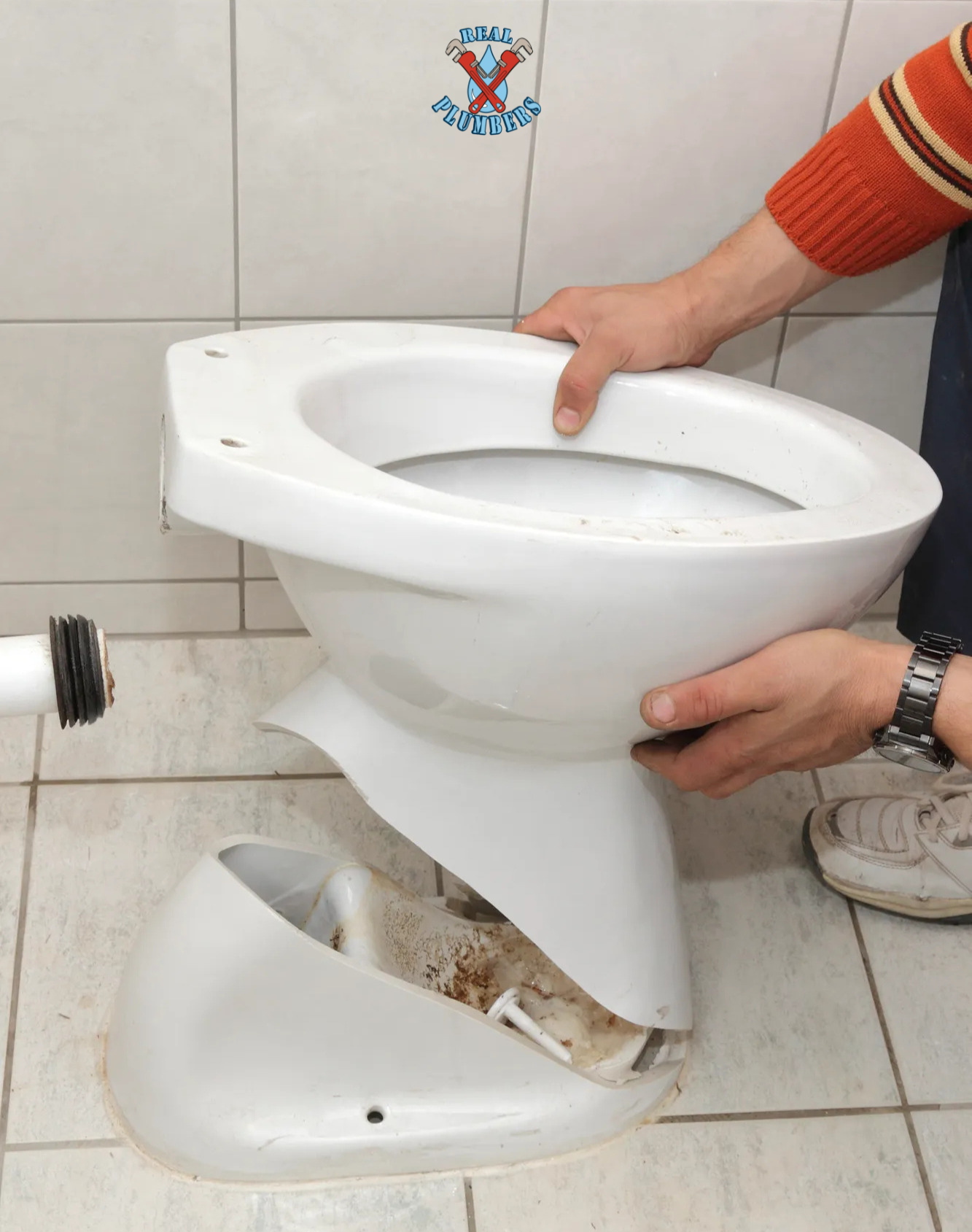
Cracks in porcelain are a clear sign that a toilet needs replacing. Even a tiny crack can get worse over time and lead to leaks or sudden failure. A cracked bowl or tank can cause water damage, especially if the crack widens when the toilet is flushed or when temperature changes cause stress. This isn’t an issue that a simple part swap can solve.
Homeowners might hope a sealant or epoxy will buy more time, but that rarely works long-term. Once the porcelain is compromised, replacement protects your home and avoids repeat service calls. For more about safe household plumbing and preventing leaks, check out the National Association of Home Builders for general guidance on home maintenance and fixture longevity.
Frequent Repairs and Rising Costs
If you’ve already fixed the same toilet multiple times, it might be time to stop spending on temporary fixes. Frequent repairs can add up faster than expected. A running toilet repair might cost around $100 to $200, and several repairs over a year can approach the cost of a new toilet with installation. At that point, replacement can be the better financial move.
There’s also the hassle factor. A toilet that keeps breaking down can disrupt daily routines and stress everyone in the house. Replacing a troublesome toilet often means fewer emergency calls, lower water use, and better performance every day. When reliability matters more than squeezing a little more life out of an old fixture, replacement usually wins.
Outdated Toilets That Waste Water
Older toilets aren’t just inefficient; they can also be less effective at clearing the bowl with each flush. This leads to double flushing, extra water use, and more frustration. A modern high-efficiency toilet can save thousands of gallons per year, with some estimates as high as 13,000 gallons annually compared to older models. Those savings are especially meaningful in drought-prone areas where conservation is key.
In Southern California, water efficiency is more than a trend; it’s a necessity. Homeowners who choose replacement may also enjoy lower utility bills and a reduced environmental impact. For those comparing options, new toilets often pay for themselves gradually through reduced water use and fewer repair issues.
Repair vs Replacement: Cost Comparison
Short-Term Cost vs Long-Term Value
At first glance, repairs almost always seem cheaper. Replacing a flapper or fill valve is a modest expense, while a full toilet replacement includes the fixture itself, installation, and possible disposal costs. But a real cost comparison must include the future. If the old toilet keeps wasting water or breaking down, the cheaper fix today could end up costing more over time.
A new toilet generally costs more upfront but can reduce maintenance and improve efficiency. That’s why many plumbers suggest thinking in terms of total cost of ownership rather than just the current bill. If a replacement cuts future leaks, improves flushing, and saves water every month, it might be the better investment even if the initial price is higher.
When the Math Favors Replacement
Replacement often makes more sense when the toilet is over 20 years old, needs frequent service, or has a crack in the porcelain. It can also be the right move when the toilet uses too much water, and you want to modernize the bathroom. For homeowners planning a remodel or updating multiple fixtures, replacing the toilet can be an efficient part of the larger project.
The choice can also depend on the condition of other plumbing components. If you’re dealing with related issues like weak flow or pressure changes, a pro might recommend checking the water pressure regulator repair or water pressure replacement before installing a new toilet. A stable plumbing system helps ensure the replacement works as it should.
Modern Toilet Features to Consider
Water-Saving and Dual-Flush Technology
Today’s toilets do a lot more than the old single-flush models many homes still use. Dual-flush toilets let you choose a lighter flush for liquid waste and a full flush for solid waste, conserving water without sacrificing performance. Pressure-assisted toilets can also boost flushing power, especially in homes with weak performance from gravity-fed systems.
These upgrades matter because they address both function and efficiency. A well-designed toilet should clear waste effectively while using as little water as possible. For eco-conscious homeowners, that balance can make a big difference in daily comfort and utility costs. It’s one reason replacement has become more appealing than it once was.
Smart Toilets and Comfort Upgrades
Smart toilets aren’t just for luxury homes anymore. Many now have heated seats, automatic lids, bidet functions, and self-cleaning features. While not everyone needs these extras, they do offer convenience and hygiene benefits. If you’re replacing a toilet, compare standard, high-efficiency, and upgraded models to see which best fits your needs.
Remember, better technology doesn’t always mean more complicated maintenance. Many modern toilets are designed for easy care and reliable use over the long term. If you want help picking a model that fits your budget and plumbing setup, a professional tankless water heater installation team might also suggest efficiency-minded upgrades for the home, even though toilets and water heaters serve different purposes. The goal is to think of the home system as a whole.
Real-World Examples to Help Decide
Frequent Repairs on an Aging Toilet
Imagine a homeowner with a toilet over 20 years old. Over a year, it develops a running problem, then a weak flush, then a handle issue. After spending more than $300 on repairs, it still doesn’t work consistently. In this situation, replacement becomes the wiser choice because the homeowner is paying for repeated short-term fixes on a fixture nearing the end of its life.
This scenario is common in older homes where plumbing fixtures have simply worn out. The frustration is not just about cost; it’s about reliability. A new toilet removes uncertainty and usually improves the bathroom experience right away. For many households, peace of mind is worth as much as the direct savings.
Cracked Porcelain and Preventing Water Damage
Another common case is a toilet that looks fine at first but has a small crack near the bowl. Water starts pooling around the base, and the homeowner thinks the wax ring has failed. Once the toilet is removed, the crack becomes obvious. In this case, replacement is essential because using the toilet could lead to flooding, subfloor damage, and mold growth.
This is why visual inspection matters. A toilet can look serviceable from the outside while still posing a serious risk underneath. If the issue seems unusual or keeps coming back after a repair, it’s smart to have a licensed plumber inspect it before more damage occurs. A quick diagnosis can prevent expensive cleanup later.
How a Professional Plumber Helps
Inspection, Diagnosis, and Testing
A skilled plumber does more than swap parts. They inspect the tank, bowl, seal, supply line, shutoff valve, and surrounding flooring to see if the toilet can be reliably repaired. They also test the flush performance, check for leaks, and evaluate the age and condition of the fixture. This full-picture approach helps avoid unnecessary replacement when a simple repair would do the trick.
If you’re dealing with other plumbing problems in the same bathroom or kitchen, services like shower valve repair and shower clog repair can be tackled at the same time. Coordinated maintenance is often more efficient and can reveal whether the home has broader wear-and-tear issues to handle together.
Safety and Long-Term Reliability
Plumbing work is about more than convenience. A bad toilet can waste water, damage floors, and create sanitation concerns. A professional plumber knows when a repair will hold and when it will likely fail again. That judgment is valuable if you’re trying to balance budget, efficiency, and long-term reliability.
In Los Angeles and surrounding areas, water conservation and dependable home systems matter every day. That’s why many homeowners choose to consult a trusted local expert before making a final decision. If the issue is part of a bigger drainage concern, a plumber might also recommend sewer and drain repair or related cleaning services to get the entire system back in shape.
Toilet Maintenance Tips to Extend Life
Catch Small Issues Early
Routine maintenance can stop many toilet problems from turning into major repairs. Listen for constant running, watch for slow refilling, and check the base for moisture. If the toilet starts needing repeated flushing, inspect the flapper and water level quickly. The sooner you catch a problem, the more likely a low-cost repair will be enough.
Avoid harsh chemical cleaners that can damage internal rubber parts. Gentle cleaning and occasional inspection can preserve the life of the tank components. These small habits are simple but make a real difference over time.
Know When Maintenance Isn’t Enough
Even with good care, every toilet has a lifespan. Once it becomes inefficient, noisy, unstable, or repeatedly problematic, maintenance alone won’t solve the issue. At that point, replacement is often less frustrating and more economical. Homeowners should view replacement not as a failure but as an upgrade in comfort and peace of mind.
If you’re planning broader plumbing updates or want help evaluating older fixtures, a local expert can guide you through the options. Sometimes the best choice is a repair today and a replacement planned for later. Other times, acting now prevents a bigger problem tomorrow.
Frequently Asked Questions About Broken Toilets
How Do I Know If My Toilet Needs Replacement?
Look for cracks in the porcelain, frequent leaks, recurring repairs, and if it’s over 20 years old. If you’re constantly fixing the same issue, replacement is often the better long-term choice. A plumber can help confirm if the problem is isolated or part of a bigger failure.
Is It Worth Repairing an Old Toilet?
It can be, but only if the repair is cheap and the toilet is still in decent shape. If the repair cost is less than half the price of a new toilet and it’s under 15 years old, the repair is usually reasonable. If it’s outdated, inefficient, or prone to repeat problems, replacement is often smarter.
Can a Cracked Toilet Be Repaired?
Cracked porcelain can’t be reliably repaired. Even if a temporary patch seems to hold, the crack may worsen and lead to leaks or failure. For safety and durability, replacement is the recommended solution.
Make the Smart Choice for Your Home
Deciding whether to repair or replace a broken toilet boils down to a few clear factors: age, type of damage, repair history, and long-term efficiency. Minor part failures usually justify repair, while cracks, repeated problems, and outdated water-hungry models point toward replacement. The best choice isn’t always the cheapest today; it’s the one that protects your home, saves water, and reduces stress over time.
If you’re still unsure, a professional inspection can take the guesswork out of the equation. Real Plumbers helps homeowners evaluate toilet problems honestly and choose the most practical solution for the situation. Whether that means a simple repair, a new high-efficiency toilet, or broader plumbing support, the goal is the same: dependable performance and fewer surprises. Ready to move forward? Contact Real Plumbers today to schedule an evaluation and get straightforward advice from an experienced local team.